
Trace of the Villa: an atmospheric, clue-driven mansion mystery on Steam
Trace of the Villa drops players into a decaying estate where Jin follows manifests and hints toward the fate of his missing sister. The game blends environmental investigation, object logic puzzles, and piecemeal narrative discovery to reveal evidence without literal spoilage of its central revelations.

Quick facts
| Title | Trace of the Villa |
|---|---|
| Steam AppID | 3483660 |
| Release date | 28 May, 2026 |
| Developer / Publisher | Steadyturtle Co., Ltd. |
| Genres | Action, Adventure, Indie |
| Categories | Single-player, Color Alternatives, Custom Volume Controls, Playable without Timed Input, Subtitle Options, Family Sharing |
| Short premise | Jin searches a remote, decaying mansion and recovers manifests and hints that suggest his missing sister may still be alive. |
Who is this for?
Who: players who prioritize slow-burn suspense, environmental storytelling, and detective-style puzzle logic over twitch gameplay or action setpieces. Readers who favor narrative puzzle design — where objects, manifests, and system restores produce expository evidence — will find the tone and setup familiar and compelling.
What the game is
What: Trace of the Villa is an action-adjacent adventure built around exploration of a remote mansion, restoring systems, unlocking hidden compartments, and piecing together financial and identity traces. Official copy emphasizes Jin’s years-long search and the unsettling sense that the house itself has been “erased” — a premise that frames investigative puzzles as the primary means of uncovering evidence.
When and where
When / Where: The game launched on Steam on 28 May, 2026. It is presented for PC via the Steam store page (app 3483660) and carries Steam categories and accessibility-style options such as subtitles, color alternatives, and a “playable without timed input” tag that may appeal to methodical puzzle players.
Why the theme matters
Why: the idea of an erased or deliberately anonymized residence reframes standard clue-finding as evidence-gathering with stakes. Thematically, it asks players to weigh fragments — manifests, transfer records, encrypted documents — to build an evidentiary timeline. That design choice turns every solved lock or recovered file into a piece of testimony rather than a simple mechanical gate.
How clue reading, object logic, and story puzzles shape your experience
Trace of the Villa organizes discovery around three converging systems:
- Clue reading — items, manifests, and records function as modular story beats. Each readable object supplies a fact, a timestamp, or a contradiction; your sense of the timeline grows cumulatively rather than through long monologues.
- Object logic — puzzles that depend on real-world object interactions (safes, restored power, hidden compartments) give spatial and tactile context to evidence. Solving these puzzles often changes the environment (systems come back online, locks open), so the game uses mechanics to gate narrative delivery.
- Story puzzles — encrypted documents and transfer records act as puzzles in service of story. Decryption or cross-referencing reveals new leads instead of expository cutscenes, preserving player agency in assembling the case.
Crucially, this structure allows the game to reveal evidence without spoiling key plot turns: the mechanics expose factual fragments (dates, transfers, missing records) that invite hypotheses rather than delivering a single forced interpretation. If you enjoy reading into small details and forming your own narrative through connected clues, that approach will likely satisfy you.
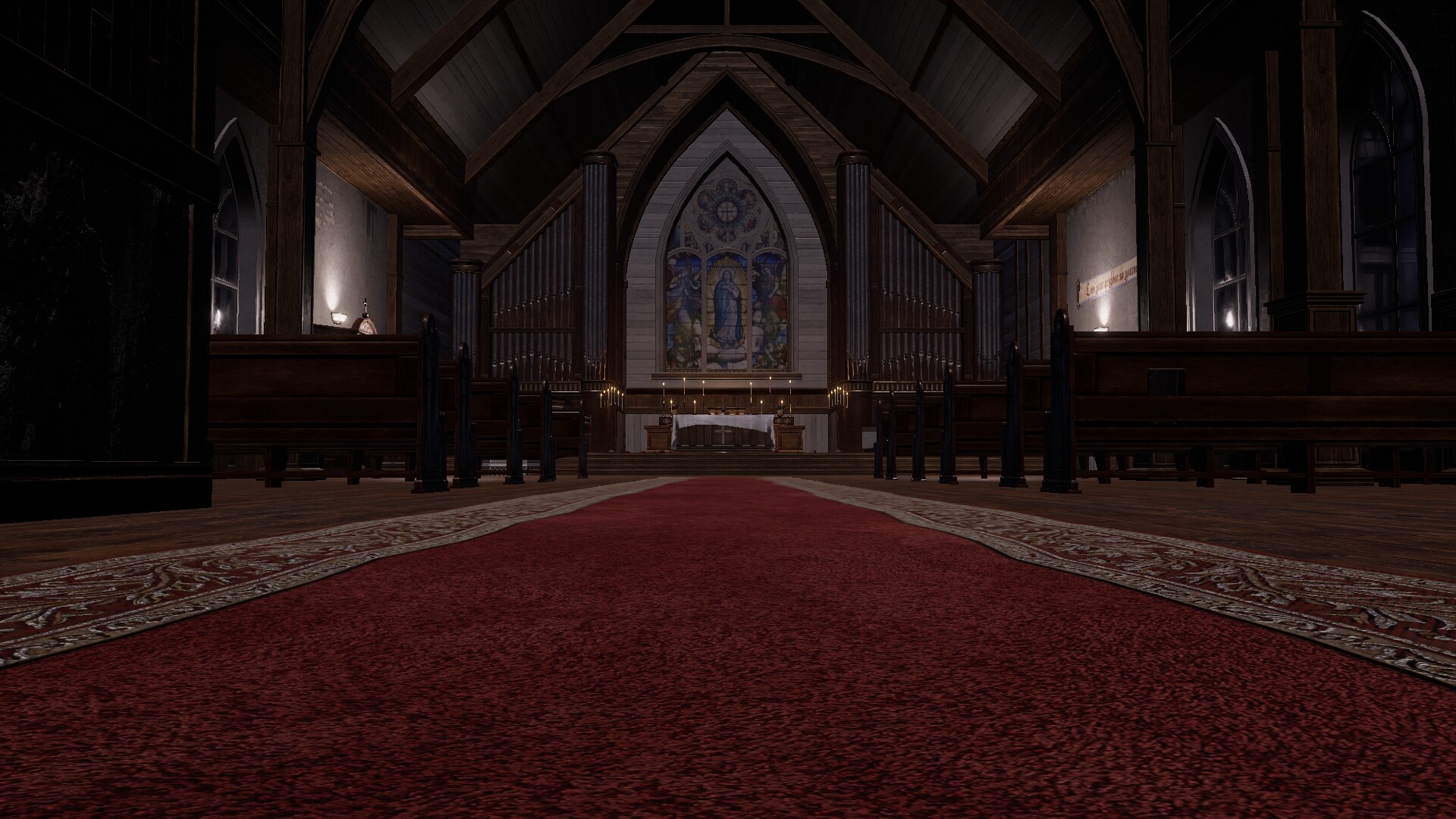

Player scenarios — who should wishlist it
- Scenario A — You like methodical detective work: If you enjoy reading manifests, cross-referencing dates and transfers, and letting the map of evidence slowly cohere, add this to your wishlist.
- Scenario B — You value accessibility and pacing control: The Steam tags include “Playable without Timed Input” and subtitle options, indicating design choices for players who prefer measured exploration over reflex challenges.
- Scenario C — You want atmosphere with investigative mechanics: If mansion mysteries and environmental storytelling that reveal glimpses rather than full reveals appeal to you, the game’s premise and puzzle emphasis suit that appetite.
How it compares — editorial table
| Title | Genre / Focus | Puzzle & Narrative Style | Atmosphere & Pacing | Player fit |
|---|---|---|---|---|
| Trace of the Villa | Action, Adventure, Indie | Clue reading, object-based puzzles, encrypted documents; evidence revealed by restoring systems and unlocking compartments | Mansion mystery, slow-burn suspense, investigative tone | Players who prefer environmental storytelling, detective-style assembly of facts, and controlled pacing |
| The Room | Adventure, Indie | Mechanical safe/box puzzles with tactile object interaction | Mysterious, puzzle-focused, contained scenarios | Players who enjoy intricate mechanical puzzles and tactile problem solving |
| The Room Two | Adventure, Indie | Expanded mechanical puzzles across linked environments | Atmospheric, cryptic pacing with escalating puzzle complexity | Players who like layered puzzle chains and immersive tactile puzzles |
| Unpacking | Casual, Indie, Simulation | Block-fitting and item placement as storytelling; domestic clue-reading | Zen, reflective, story implied through objects | Players who prefer slow, non-violent environmental storytelling through objects |
| Escape Simulator | Adventure, Casual, Indie, Simulation | Interactive escape-room puzzles; physics and object interaction | Varied; from lighthearted to tense depending on room | Players who like high interactivity, sandbox puzzle solutions, and co-op options |
What to expect from the puzzle-to-story pipeline
Practically, expect to spend sessions cataloguing recovered documents, returning to previously locked rooms after restoring power, and reconciling discrepancies in manifests or transfer records. The design prioritizes small, confirmable facts over single scenes that explain everything; that means your sense of the narrative grows as you collect corroborating details rather than from expository leaps.
YouTube discovery
If you want video previews, use this YouTube search path to find trailers and gameplay footage: Trace of the Villa trailer & gameplay (YouTube search). This search link is provided for discovery; a specific official video is not claimed here unless identified on the official Steam page or verified channels.
Ready to decide? Visit the Steam store page:
Disclaimer
Referenced titles and trademarks belong to their respective owners. Comparisons above are editorial discovery only and based on public Steam data and the listed topic research. No endorsements or sponsorships are implied.
Leave a Reply