
Trace of the Villa — how puzzles let evidence tell the story
Trace of the Villa drops you into Jin’s search for a missing sister inside a remote, decaying mansion where recovered manifests and hints imply she may still be alive. The game pairs environmental puzzle work — restoring systems, unlocking safes and hidden compartments — with gradual narrative reveal so each solved puzzle functions as a piece of evidence rather than an explicit plot dump.

| Title | Trace of the Villa |
|---|---|
| Steam AppID | 3483660 |
| Release Date | 28 May, 2026 |
| Developer / Publisher | Steadyturtle Co., Ltd. |
| Genres | Action; Adventure; Indie |
| Categories / Accessibility | Single-player; Color Alternatives; Custom Volume Controls; Playable without Timed Input; Subtitle Options; Family Sharing |
| Short premise (official) | Jin has spent years searching for his missing sister, pursuing leads that took him to a remote, decaying mansion where he recovered manifests and hints that indicate his sister may still be alive, somewhere at the end of the trail he is about to follow. |
Who this is for
If you enjoy atmospheric mystery adventure and clue-driven exploration on PC, Trace of the Villa is aimed at players who prefer slow-burn psychological investigation over jump-scare horror. The Steam page highlights single-player pacing and accessibility options (subtitles, no timed input), so it suits puzzle players who want to read and piece together evidence at their own speed.
What the game is
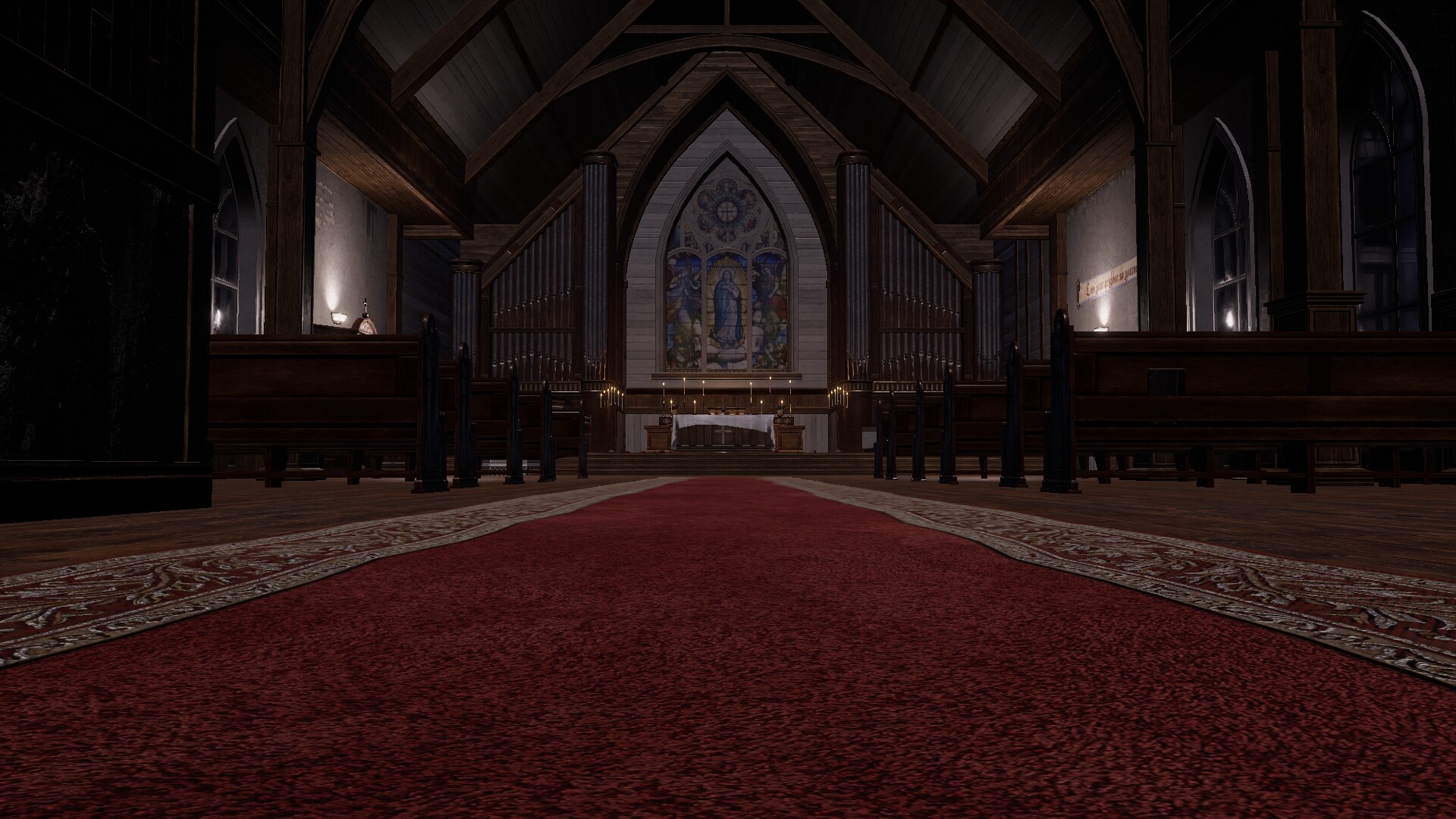
Trace of the Villa is an indie Action/Adventure experience from Steadyturtle Co., Ltd. that places a protagonist named Jin in a deliberately forgotten mansion. The estate has no recent records and rooms that feel “erased”; when Jin restores power, secured systems and safes begin to reveal manifests, encrypted documents, and transfer records. The design presents puzzles as avenues to recover fragments of a hidden operation rather than as detached brainteasers.
When and where
Trace of the Villa released on Steam on 28 May, 2026. It’s presented on the Steam store as a PC title with standard Steam storefront discovery entries and the convenience features listed above.
Why the puzzle approach matters
Many narrative puzzles either tell too much or simply gate progression with opaque mechanics. Trace of the Villa’s pitch (manifests, encrypted fragments, suspicious transfers) suggests puzzles are calibrated to reveal usable story evidence: a document that narrows possibilities, a power panel that restores a surveillance feed, a safe that yields a partial ledger. That economy — using puzzle outcomes as factual breadcrumbs — preserves suspense while allowing players to form working theories without SPOILERS.
How clue reading, object logic, and story puzzles shape play
The official materials emphasize recovering manifests and hints, restoring estate power, and decrypting fragments. Taken together, that implies three complementary puzzle layers:
- Clue reading: textual artifacts — manifests, records, encrypted snippets — that must be interpreted to connect locations or identities.
- Object logic: environmental systems and locked containers whose functions and interrelations must be inferred (power panels enabling devices; safes and hidden compartments revealing documents).
- Story puzzles: sequences where each solved node supplies narrative evidence (transaction records, falsified identities) that changes how the player understands past movements inside the mansion.
Mechanically, that architecture keeps the narrative fed by player agency: you don’t just unlock descriptive paragraphs — you assemble evidence that guides the next objective. The Steam listing highlights these elements without spoiling specifics of the plot.

Player scenarios — who should wishlist this
- Evidence-first mystery players: You like piecing together a case from documents, feeds and ledgers rather than relying on cutscenes. The store text foregrounds manifests and fragments as the narrative vehicle.
- Slow-burning explorers: You prefer methodical pacing and the option to play without timed inputs; accessibility features listed on Steam make that explicit.
- Environmental storytellers: If you appreciate a setting that feels “erased” — rooms furnished mid-routine and missing historical traces — the mansion’s atmosphere is central to the game’s mood.
- Players who dislike spoilers: The puzzle-driven reveal model means the game conveys evidence incrementally; if you want to form your own theories, that design supports it.
How it compares — nearby puzzle and mystery experiences
Below is a concise editorial comparison to help decide whether Trace of the Villa fits your tastes. Criteria used: puzzle focus, atmosphere, exploration style, and pacing.
| Title | Puzzle focus | Atmosphere / Tone | Exploration style | Pacing |
|---|---|---|---|---|
| Trace of the Villa | Clue-driven evidence (manifests, encrypted fragments, systems/safes) | Mansion mystery; erased identities; investigative | Environmental investigation, systems restoration | Methodical, narrative-led |
| The Room | Mechanical tactile puzzles around safes and boxes | Mysterious, tactile, intimate | Closed-chamber puzzle objects | Puzzle-forward, successive set-pieces |
| The Room Two | Expanded mechanical puzzles with an exploratory thread | Cryptic and atmospheric | Multi-scene progression through puzzle areas | Puzzle-driven, slightly more expansive than the first |
| Unpacking | Nontraditional puzzles — object placement reveals life-story clues | Zen, domestic narrative | Room-by-room, item-focused | Relaxed, reflective |
| Escape Simulator | Highly interactive escape-room puzzles; physics and object interaction | Playful to tense depending on room | Room-based, high interactivity | Fast- to mid-pace depending on puzzle density |
YouTube discovery
For trailer or gameplay searches use: View Trace of the Villa on Steam
Leave a Reply