
Trace of the Villa: how clue reading, object logic, and story puzzles shape a slow‑burn mansion mystery
Trace of the Villa is an atmospheric, clue‑driven adventure about a man named Jin following fractured leads to a remote, decaying mansion. Released on 28 May, 2026 by Steadyturtle Co., Ltd., the game layers environmental puzzles and object logic so each solved challenge hands you evidence rather than exposition.

Who: who should wishlist or watch this on Steam
- Players who prefer slow‑burn suspense and environmental storytelling over constant action.
- Puzzle fans who enjoy object puzzles that produce documentary‑style evidence (manifests, encrypted fragments, transfer records) rather than explicit cutscene answers.
- Accessibility‑minded players: Steam metadata lists Color Alternatives, Custom Volume Controls, Playable without Timed Input, and Subtitle Options among its categories.
What: what Trace of the Villa actually is
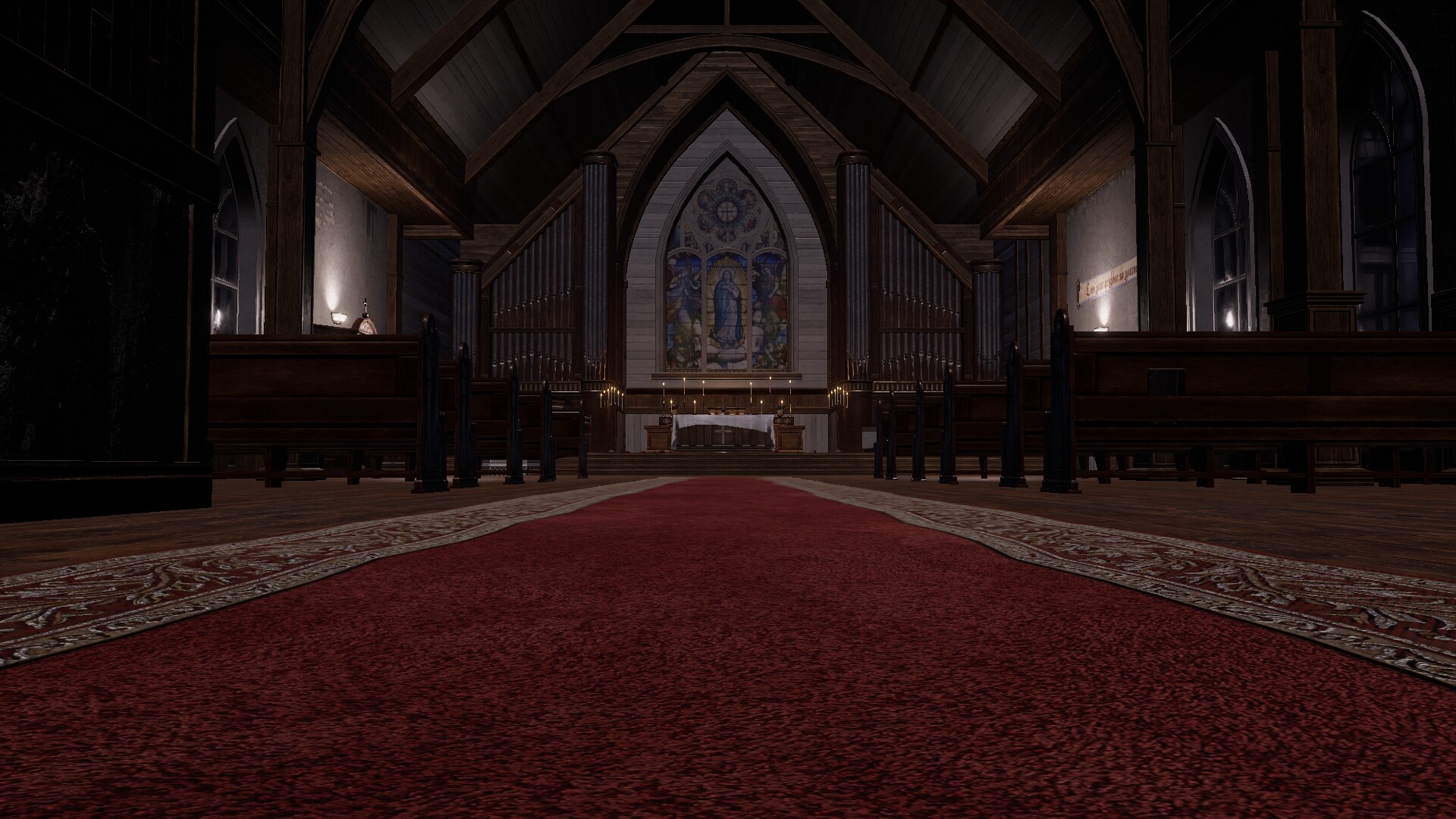
Trace of the Villa is an Action / Adventure / Indie title on PC (Steam appid 3483660) from Steadyturtle Co., Ltd. The official short description frames the premise plainly: Jin has pursued years of leads to a remote mansion where manifests and hints suggest his missing sister may still be alive. The fuller Steam description emphasizes a property that feels “erased” — rooms left mid‑routine, locked doors, and falsified identities — and a puzzle structure that reveals a hidden operation through recovered documents and systems.
When & where: Steam availability
Trace of the Villa launched on Steam on 28 May, 2026. It’s presented as a single‑player PC experience with family sharing support; see the Steam store page for system requirements and purchase options.
Why the theme matters
The game’s central conceit — a mansion that’s been deliberately stripped of identifiers and records — makes the act of reading clues the core emotional payoff. Instead of cutscenes that summarize what happened, the world itself houses the evidence: locked safes, secured systems, and scattered documents that demand interpretation. That design turns curiosity into compulsion; each solved puzzle is also a small forensic victory.
How: how puzzles reveal story evidence without spoiling the plot
Trace of the Villa leans on several concrete puzzle and narrative devices named in its Steam description. When Jin restores power to the estate, secured systems come back online; hidden compartments unlock; safes yield fragments of encrypted documents and suspicious transfer records. These items function as clues — player‑readable artifacts that establish financial trails, falsified identities, and movement patterns without a single line of authorial summary spelling out the full plot.
That approach achieves two editorially useful things:
- Evidence over exposition — puzzles return physical artifacts (manifests, encrypted fragments, transfer records) that let players build hypotheses about the mansion’s use and the fate of people who passed through it.
- Controlled reveal — because clues are discovered through object logic (restore power, unlock safe, decode fragment), the game paces story revelations according to player agency instead of forcing a fixed narrative beat.
Practical player scenarios — who will enjoy it and why
- Investigative players: You enjoy cataloguing evidence and assembling timelines. Trace of the Villa hands you fragments and expects you to infer connections; it rewards careful reading and note‑taking.
- Object‑puzzle players: You like tactile puzzles — locks, safes, systems to restore — that have tangible narrative payoff. The Steam description indicates several such mechanics (power restoration, hidden compartments, safes, encrypted documents).
- Accessibility and pacing fans: You prefer slower pacing and options to avoid reflex checks. Categories on Steam include Playable without Timed Input, Subtitle Options, and Custom Volume Controls, which support a contemplative playstyle.
- Atmosphere seekers: If a mansion’s silence, missing identities, and a sense that “something happened here that was never meant to be discovered” is the mood you want, this will fit the bill.
Compact facts: Trace of the Villa
| Title | Trace of the Villa |
|---|---|
| Steam appid | 3483660 |
| Developer / Publisher | Steadyturtle Co., Ltd. |
| Release date | 28 May, 2026 |
| Genres | Action, Adventure, Indie |
| Categories (selected) | Single‑player; Color Alternatives; Custom Volume Controls; Playable without Timed Input; Subtitle Options; Family Sharing |
| Official short description | Jin has spent years searching for his missing sister, pursuing leads that took him to a remote, decaying mansion where he recovered manifests and hints that indicate his sister may still be alive, somewhere at the end of the trail he is about to follow. |
Comparison: how Trace of the Villa sits among related puzzle/adventure experiences
| Title | Release | Genre / Focus | Puzzle emphasis | Exploration / pace | Who might prefer it |
|---|---|---|---|---|---|
| Trace of the Villa | 28 May, 2026 | Action / Adventure / Indie — mansion mystery | Object logic, restoring systems, safes, encrypted document fragments that serve as evidence | Slow, investigative; player‑paced reveals via found documents | Players who want evidence‑first storytelling and methodical puzzle progression |
| The Room | 28 Jul, 2014 | Adventure / Indie | Mechanical object puzzles, tactile safes and contraptions (focus on a single mysterious chamber) | Room‑by‑room, high puzzle density; intimate and mechanical | Fans of intricate object puzzles and tactile mystery devices |
| Unpacking | 1 Nov, 2021 | Casual / Indie / Simulation | Block‑fitting and placement puzzles that reveal a life through possessions | Calm, vignette‑driven; reveals story through items rather than documents | Players who like environmental storytelling through objects and a low‑pressure pace |
| Escape Simulator | 19 Oct, 2021 | Adventure / Casual / Indie / Simulation | Highly interactive escape room simulations — move furniture, examine everything, physics‑enabled interactions | Room‑focused, often brisk puzzle sequences; can be solo or co‑op | Players who prefer interactive, hand‑on puzzles and modular room designs |
YouTube discovery
If you want to see trailers or gameplay snippets, use this YouTube search path (search/discovery only): Steam page
Leave a Reply