
Trace of the Villa: How clue-reading, object logic, and story puzzles shape an atmospheric mansion mystery
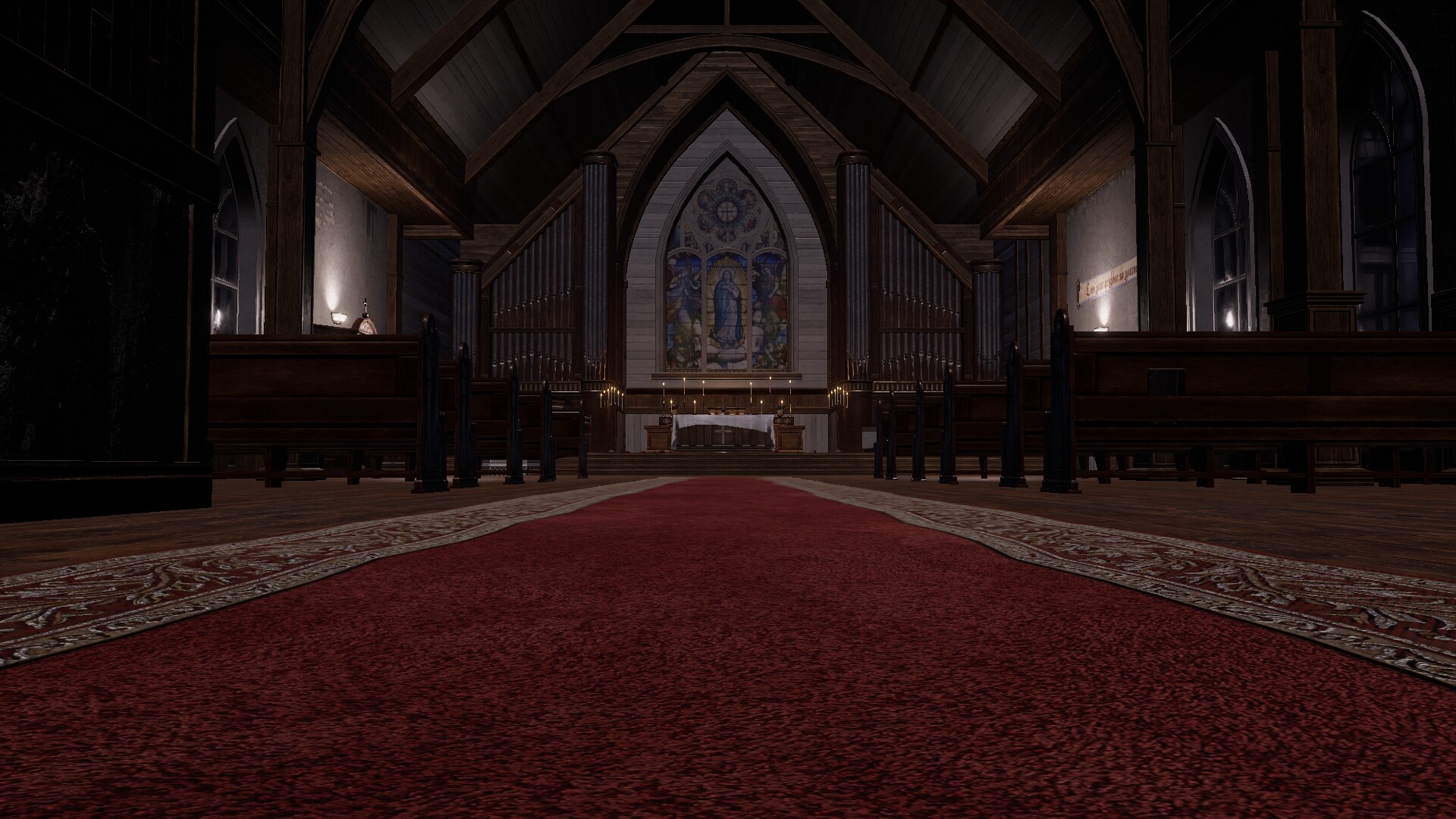
Trace of the Villa stages a slow-burn investigation inside a remote, decaying mansion where Jin follows manifests and fragments that suggest his missing sister might still be alive. The way the game surfaces evidence—through restored power, unlocked compartments and encrypted documents—turns each solved puzzle into a deliberate piece of narrative proof rather than a plot spoiler.

Quick facts
| Title | Trace of the Villa |
|---|---|
| Developer / Publisher | Steadyturtle Co., Ltd. |
| Release date | 28 May, 2026 |
| Genres | Action, Adventure, Indie |
| Steam Categories | Single-player; Color Alternatives; Custom Volume Controls; Playable without Timed Input; Subtitle Options; Family Sharing |
| Official short premise | Jin has spent years searching for his missing sister, pursuing leads that took him to a remote, decaying mansion where he recovered manifests and hints that indicate his sister may still be alive. |
Who is Trace of the Villa for?
- Players who prefer atmospheric mystery adventure and narrative puzzle design over fast-action thrills.
- Fans of clue-driven exploration and environmental storytelling: the mansion is full of artifacts, falsified records, and systems that must be reactivated to reveal more evidence.
- Those who value accessibility options — Trace of the Villa lists subtitle options, color alternatives, custom volume controls, and modes playable without timed input.
What the game is — the mechanics that reveal evidence
At its core Trace of the Villa is a story-rich adventure built around finding and interpreting physical and digital traces left behind. According to the official description, Jin restores power to the estate and watches secured systems come back online: hidden compartments, safes, and fragments of encrypted documents appear as the environment reacts to player actions. Those object-level discoveries—manifests, suspicious transfer records, falsified identities—are the game’s primary method for revealing narrative evidence.
When and where — Steam / PC context
Trace of the Villa launched on 28 May, 2026 and is listed on Steam. The Steam store page lists developer and publisher as Steadyturtle Co., Ltd. The Steam categories emphasize single-player exploration and accessibility options (Color Alternatives, Custom Volume Controls, Playable without Timed Input, Subtitle Options, Family Sharing).
Why the theme matters: evidence-first storytelling without spoilers
Many mystery games hand you finished answers or rely on cutscenes to explain plot turns. Trace of the Villa, per its official text, unfolds through recovered materials and environmental systems that you reactivate. That approach matters because it turns discovery into proof: each solved puzzle doesn’t just unlock a narrative beat, it presents an item or record you can inspect and contextualize yourself. The result is a slow, forensic rhythm of investigation where the player assembles a timeline from primary evidence rather than being told the conclusion.
How the player reads clues and progresses (without spoiling the story)
- Restore utility systems: restoring power is a mechanical gate that makes new information available—security feeds, locked compartments and electronic safes that were inert become interactable.
- Collect and cross-reference artifacts: manifests, encrypted documents, and transfer records function as puzzle outcomes and narrative fragments. Solving object-based puzzles yields these materials.
- Use object logic to infer connections: items and falsified identities act as nodes on a timeline; the game encourages reading those nodes together to build hypotheses, not delivering finished revelations.
- Progress feels investigative: puzzles are designed to surface evidence incrementally so you can test ideas and revise them as more fragments emerge.
Specific player scenarios — who should wishlist this
- If you enjoy methodical, single-player detective work and dislike timed pressure, wishlist Trace of the Villa for its playable-without-timed-input design and environmental focus.
- If you prioritize narrative puzzle design that rewards careful observation—manifests, safes and restored systems—this will fit your play pattern.
- If you appreciate accessibility options and comfort features (subtitles, color alternatives, custom audio), the Steam page lists those categories explicitly.
- If you prefer cooperative or fast-break puzzles, this is less of a fit: the Steam listing emphasizes single-player exploration and story-driven investigation.
How it compares (editorial discovery)
Below is a concise editorial comparison with nearby puzzle-adventure titles. Comparison is limited to lawful editorial criteria: genre, atmosphere, puzzle focus, exploration style, story tone and pacing.
| Game | Genres | Puzzle focus | Exploration / Interactivity | Tone / Pacing | Player fit |
|---|---|---|---|---|---|
| Trace of the Villa | Action, Adventure, Indie | Clue-driven object puzzles; encrypted documents and manifests | Single-player, environmental systems that react when power is restored | Atmospheric, slow-burn mansion mystery | Players who want narrative evidence and forensic exploration |
| The Room | Adventure, Indie | Mechanical safes and tactile puzzle boxes (mystery-focused) | Single-player, contained puzzle environments | Mysterious, focused set-pieces | Players who enjoy tactile, object-centric puzzles |
| The Room Two | Adventure, Indie | Expanded mechanical puzzles with layered environments | Single-player, interconnected puzzle locations | Cryptic and exploratory | Fans of escalating, crafted puzzle sequences |
| Escape Simulator | Adventure, Casual, Indie, Simulation | Highly interactive escape-room mechanics | Move furniture, pick up and examine everything; supports co-op | Fast-paced room-by-room problem solving | Players who want high interactivity and either solo or co-op play |
| Unpacking | Casual, Indie, Simulation | Block-fitting and environmental clues that reveal life stories | Single-player, zen puzzle with environmental narrative | Quiet, reflective, slice-of-life pacing | Players who prefer gentle storytelling through items and placement |
YouTube discovery
Looking for trailers or gameplay? Use this YouTube search path to find Trace of the Villa trailer and gameplay videos (search results may include developer videos and community uploads): Search Trace of the Villa trailer & gameplay on YouTube.
View Trace of the Villa on Steam
Disclaimer: Referenced titles and trademarks belong to their respective owners. Comparisons
Leave a Reply