
Trace of the Villa — how puzzles whisper evidence, not answers
Trace of the Villa (Steadyturtle Co., Ltd.) is an atmospheric mystery adventure that mixes action-adventure framing with investigative puzzle work: you play Jin, a man following clues from a decaying, off‑the‑grid mansion toward the possibility that his missing sister may still be alive. Released on 28 May, 2026 on Steam, the game positions environmental puzzles, document fragments and object logic as the primary means of revealing story evidence without laying out plot conclusions.

What Trace of the Villa is — facts at a glance
| Title | Trace of the Villa |
|---|---|
| Developer / Publisher | Steadyturtle Co., Ltd. |
| Release date | 28 May, 2026 |
| Steam AppID | 3483660 |
| Genres | Action, Adventure, Indie |
| Key Steam categories / accessibility | Single‑player; Color Alternatives; Custom Volume Controls; Playable without Timed Input; Subtitle Options; Family Sharing |
| Premise (official) | Jin searches a remote, decaying mansion where manifests and hints indicate his sister may still be alive; restoring power to the estate unlocks secured systems, hidden compartments and fragments of encrypted documents. |
When and where to play
Trace of the Villa is available on Steam for PC; the title launched on 28 May, 2026. The Steam listing highlights console-style accessibility options (subtitles, no timed inputs) that make the investigation-focused experience approachable for players who prefer methodical, read-and-interpret puzzle work rather than twitch reflexes.
Who should wishlist it (and who should wait)
- Wishlist if you enjoy slow-burn suspense and environmental storytelling delivered through documents, manifests and secured systems rather than cutscenes.
- Wishlist if you prefer puzzle design that leans on object logic and clue-reading—finding fragmented evidence and assembling a timeline is central to the premise.
- Consider waiting if you want clear, explicit narrative beats up front—Trace of the Villa uses implication and recovered artifacts to assemble context, not blunt exposition.
- The presence of options like “Playable without Timed Input” and subtitles signals a focus on careful inspection over fast action, although the game’s listed genres include Action as well.
Why the theme matters: how the mansion shapes investigation
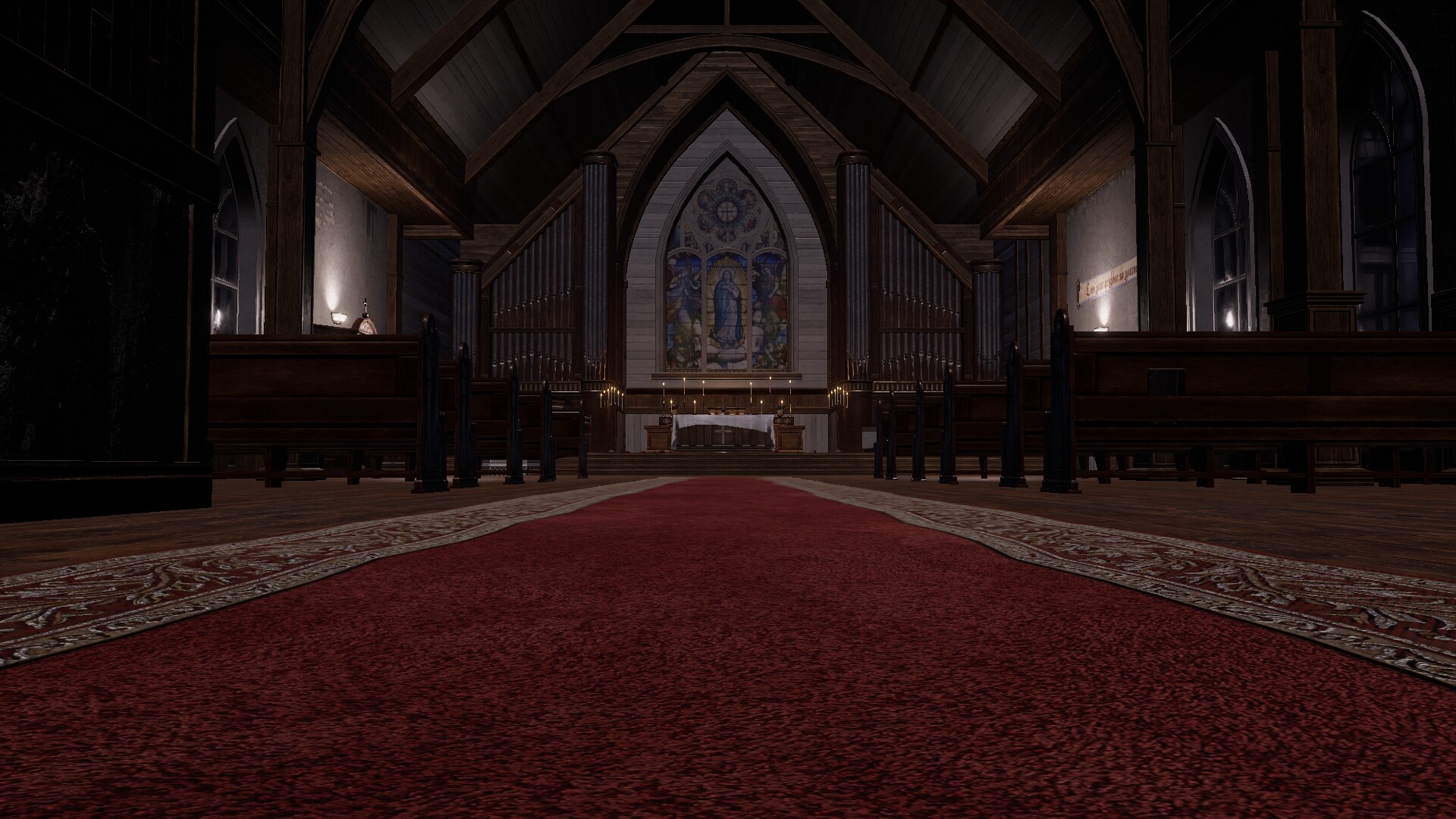
The Steam text frames the mansion as deliberately forgotten and partially erased: rooms are furnished as if occupants vanished mid‑routine, locked doors conceal secured secrets, and identities appear removed. These description elements make the environment itself a storytelling device. Mechanically, that means puzzles are not just obstacles but evidence‑gathering tools—power restoration, safes and encrypted fragments act as gates to new layers of context. The result is a puzzle‑driven reconstruction of events rather than a linear recounting of them.
How clue reading, object logic and story puzzles work together (without spoiling)
Trace of the Villa foregrounds three complementary puzzle strands:
- Clue reading: recovered manifests and hints are the canonical breadcrumbs. The official description notes Jin “recovered manifests and hints” and later “safes yield fragments of encrypted documents.” Those fragments function as partial testimony—players interpret incomplete records to infer sequences and motives.
- Object logic: the estate’s furnishings and secured systems are set pieces. Restoring power is explicitly called out as an action that makes the house reveal what it was hiding. That phrasing implies puzzles rooted in manipulation of the environment and systems rather than abstract number puzzles detached from setting.
- Story puzzles: locked doors, hidden compartments and financial or identity traces described in the official copy suggest puzzles that double as exposition—solving a safe or reactivating a terminal yields evidence, not a tidy explanation, encouraging players to synthesize clues themselves.
Because the game returns fragments and partial records instead of finished answers, the mechanics naturally preserve mystery: you get stronger evidence and clearer patterns over time, but the narrative arc is discovered by assembling those pieces, not being handed a sealed ending in advance.

Comparing nearby experiences (editorial discovery, not endorsement)
Below is a compact editorial comparison to help you decide whether Trace of the Villa suits your puzzle-adventure appetite. Comparison criteria: genre, atmosphere, puzzle focus, exploration/pacing, and player fit.
| Title | Genre / Tone | Puzzle focus | Exploration & pacing | Player fit |
|---|---|---|---|---|
| The Room | Adventure / mysterious, tactile puzzle-box tone | Mechanical puzzle-boxes and object manipulation | Compact, room‑focused, deliberate pacing | Players who enjoy tight, tactile puzzles and single-room mysteries |
| The Room Two | Adventure / cryptic, atmospheric | Multi-stage mechanical puzzles with increasing complexity | Linear progression through distinct puzzle spaces | Those who value carefully staged puzzle escalation |
| Unpacking | Casual / zen, domestic environmental storytelling | Object placement as narrative cue rather than encrypted evidence | Relaxed, scene‑by‑scene rhythm | Players who enjoy low-pressure item-based story discovery |
| Escape Simulator | Adventure / interactive escape-room style | Highly interactive object puzzles, physics and cooperation (optional) | Room-to-room puzzle runs; variable pacing depending on scenario | Players who want high interactivity and puzzle variety, solo or co‑op |
| Trace of the Villa | Action / Adventure / Indie — mansion mystery, psychological investigation | Clue-driven evidence recovery: manifests, encrypted fragments, secured systems | Investigative, methodical pacing with emphasis on reading and synthesis | Players who like environmental storytelling, slow-burn suspense, and assembling partial evidence |
Player scenarios — concrete examples of fit
- You’re the kind of player who pauses to read every document, cross-references names and dates, and enjoys building a timeline from fragments. Trace of the Villa’s emphasis on manifests and encrypted fragments will reward you.
- If you prefer action-first games where story is explicit and handed to you in full cinematic beats, you may find Trace of the Villa’s evidence-first approach slower than expected.
- If accessibility matters—subtitles, color alternatives and the ability to play without timed input are present on Steam—then Trace of the Villa makes a good fit for players who want the investigative experience without pressure mechanics.
YouTube discovery
If you want video footage, search for trailers and gameplay using this YouTube query (use as a discovery path; specific videos should be validated as official if needed): Trace of the Villa trailer & gameplay (YouTube search).
View Trace of the Villa on Steam
Referenced titles and trademarks belong to their respective owners. Comparisons here are editorial discovery only and do not imply any official association.
Leave a Reply