Trace of the Villa — how clue-reading, object logic, and story puzzles reveal evidence without spoiling the mystery
Trace of the Villa places you in Jin’s shoes: a long search for a missing sister leads into a remote, decaying mansion where manifests and hints suggest she may still be alive. Released on 28 May, 2026 by Steadyturtle Co., Ltd., the game leans into atmospheric mystery adventure and environmental storytelling to let puzzles do the talking.

Who is this for?
Players who prefer slow-burn suspense, investigative pacing, and puzzle-driven narrative will find this appealing. If you like games where exploration and reading evidence—manifests, encrypted fragments, and locked systems—carry the story forward rather than cutscenes, Trace of the Villa is aimed at you. It also lists categories that support accessibility and a single-player, non‑timed approach: Color Alternatives, Custom Volume Controls, Playable without Timed Input, and Subtitle Options.
What the game is
Trace of the Villa is an Action / Adventure / Indie title on Steam developed and published by Steadyturtle Co., Ltd. Its premise (from the official Steam description) centers on Jin restoring power to a deliberately forgotten mansion to uncover locked compartments, safes, encrypted documents, and transfer records. The discovery process is built around puzzle-solving that produces fragments of evidence rather than full expositions.
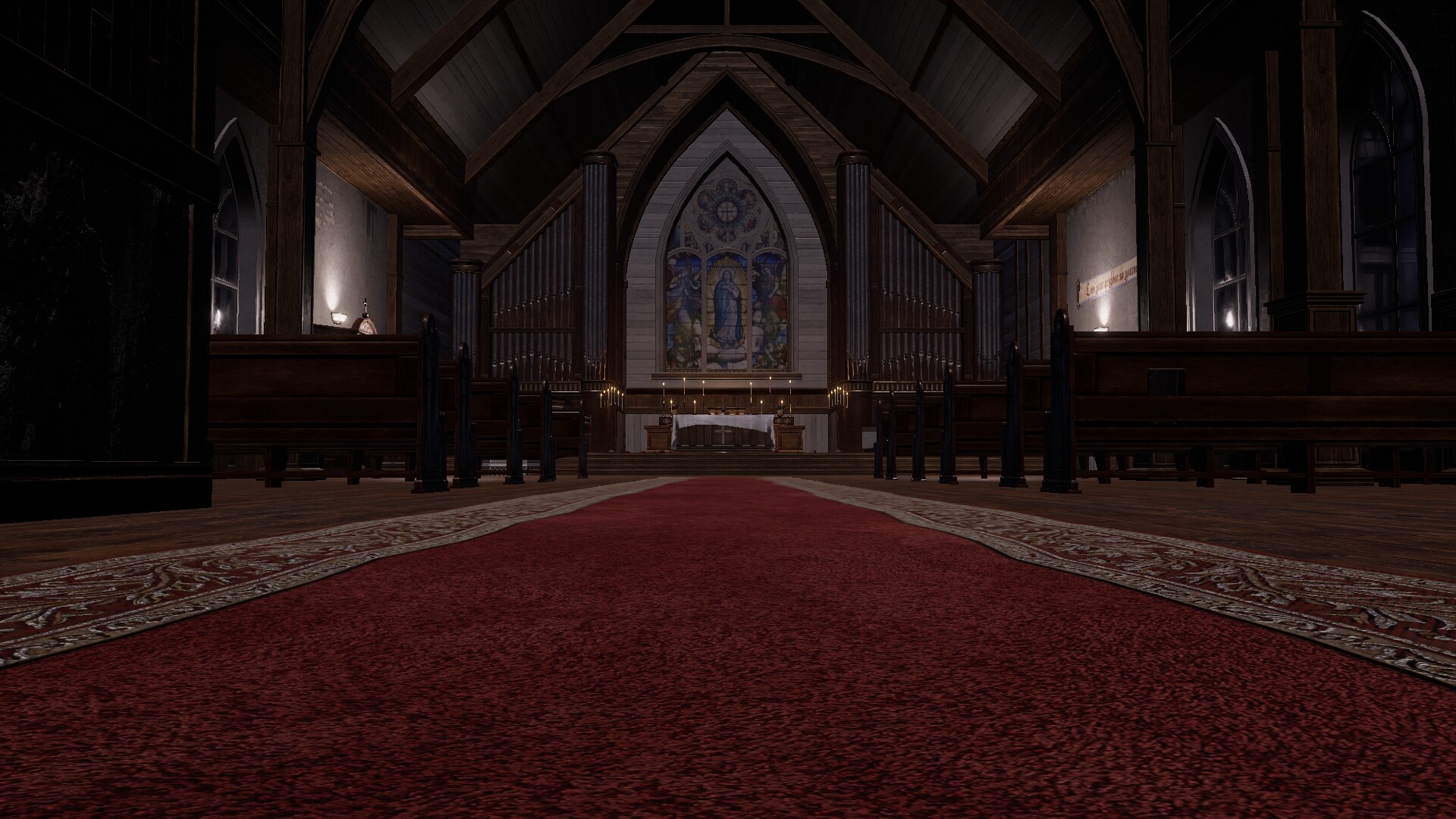

When and where to play
Trace of the Villa launched on Steam on 28 May, 2026. It is listed on Steam as a PC title with the appid 3483660. The Steam store page includes official visuals and the short premise that frames Jin’s investigation.
Why the theme matters
The game’s mansion mystery centers on erasure and reconstruction of identity—rooms furnished as if occupants vanished mid‑routine, personal items present but names and photographs removed. That absence creates an investigative texture: each found document or restored terminal carries weight because it plugs a hole in an otherwise blank past. For players who value atmosphere and the slow accumulation of evidence, this approach makes every solved puzzle meaningful without forcing premature spoilage.
How the puzzles reveal story evidence (without spoiling plot beats)
Based on the official description, the game structures discovery around a few clear mechanics that let players read clues rather than handing them full answers:
- Restoring systems unlock fragments: when Jin brings power back, secured systems and hidden compartments become accessible. That yields pieces of documents or files rather than whole explanations.
- Object logic ties environment to timeline: personal belongings sitting undisturbed—but missing identifying items like photos or names—create gaps that puzzles help fill incrementally.
- Puzzle-as-evidence design: safes, encrypted documents, and manifests act as modular evidence caches. Solving a puzzle opens a fragment of financial trail, a falsified identity detail, or a transfer record, so the player assembles an understanding from discrete clues instead of being told a finished narrative.
That design favors players who enjoy examining context, rereading fragments, and making connections across environments. It also preserves key revelations by making players earn each piece of the puzzle rather than encountering large expositional dumps.
Compact facts — Trace of the Villa
| Title | Trace of the Villa |
|---|---|
| Steam appid | 3483660 |
| Release date | 28 May, 2026 |
| Developer / Publisher | Steadyturtle Co., Ltd. |
| Genres | Action, Adventure, Indie |
| Categories | Single-player; Color Alternatives; Custom Volume Controls; Playable without Timed Input; Subtitle Options; Family Sharing |
| Official short premise | Jin searches for his missing sister and finds manifests and hints in a remote, decaying mansion suggesting she may still be alive. |
How it compares — targeted editorial comparison
Below is a focused comparison to help readers match preference to design: puzzle emphasis, atmosphere, exploration style, pacing, and player fit.
| Title | Puzzle focus | Atmosphere | Exploration style | Pacing / Player fit |
|---|---|---|---|---|
| Trace of the Villa | Clue-driven puzzles that unlock documents, safes, and systems; object logic reveals timeline fragments | Mansion mystery, slow-burn suspense, erased identities | Investigative, environment-led; restoration of systems reveals new avenues | Players who like assembling evidence from fragments and methodical exploration |
| The Room | Mechanical, tactile puzzles centered on a single safe-like device | Isolated, uncanny, intimate mystery | Focused room-to-room puzzle boxes | Players who enjoy handcrafted mechanical puzzles and tactile problem solving |
| The Room Two | Continues mechanical puzzle boxes with broader set pieces | Mystical, cryptic, claustrophobic | Structured puzzle rooms with a clear puzzle-object loop | Fans of layered mechanical puzzles and escalating set-piece reveals |
| Unpacking | Domestic, inference-based puzzles about object placement and life clues | Quiet, reflective, slice-of-life | Room-by-room arrangement and item investigation | Players seeking emotional storytelling through objects and low-pressure puzzles |
| Escape Simulator | Highly interactive escape-room mechanics, physical object interaction | Varied—depends on room creator | Open interactive rooms with many manipulable objects | Players who enjoy tactile experimentation and level-editor content |
Player scenarios — who should wishlist
Concrete scenarios to help you decide:
- If you savor piecing together a narrative from fragments found in safes, terminals, and manifests—wishlist it.
- If you prefer puzzle boxes that are solved in isolation with little environmental reading—Trace of the Villa may feel slower than The Room titles.
- If you enjoy games that let objects and missing identifiers carry emotional weight (a la Unpacking’s object-driven storytelling) but want a darker, suspenseful frame, this fits that middle ground.
- If you want high interactivity where everything can be moved and smashed like some escape-room sims, note Trace of the Villa emphasizes investigation and restored systems rather than broad physics-based play.
YouTube discovery
For trailers and gameplay footage, search results can surface developer or community videos. Use this YouTube search path to find relevant trailers and clips: Trace of the Villa trailer & gameplay search on YouTube.
Where to find it on Steam
Visit the Steam store page to wishlist, view more screenshots, and read the official description: Trace of the Villa on Steam.
<
Leave a Reply