
Trace of the Villa: reading clues, object logic, and story puzzles that reveal evidence without spoiling the ending
Trace of the Villa frames its mystery around Jin, a man following cold leads to a remote, decaying mansion where manifests and hints suggest his missing sister may still be alive. Released on 28 May, 2026 by Steadyturtle Co., Ltd., the game blends investigative inventory puzzles with environmental storytelling to reveal evidence one fragment at a time.


Quick facts
| Title | Trace of the Villa |
|---|---|
| Release date | 28 May, 2026 |
| Developer / Publisher | Steadyturtle Co., Ltd. |
| Steam AppID | 3483660 |
| Genres | Action, Adventure, Indie |
| Key categories | Single-player; Color Alternatives; Custom Volume Controls; Playable without Timed Input; Subtitle Options; Family Sharing |
| Official premise | Jin pursues leads to a remote mansion where manifests and hints indicate his missing sister may still be alive. |
Who this is for
If you prioritize atmospheric mystery adventure and clue-driven exploration on PC, Trace of the Villa targets players who enjoy slow-burn suspense and piecing together narrative evidence rather than having answers handed to them. The categories (single-player, subtitle options, no timed input) also signal accessibility for methodical players who prefer to take notes and inspect objects at their own pace.
What the game is (without spoilers)
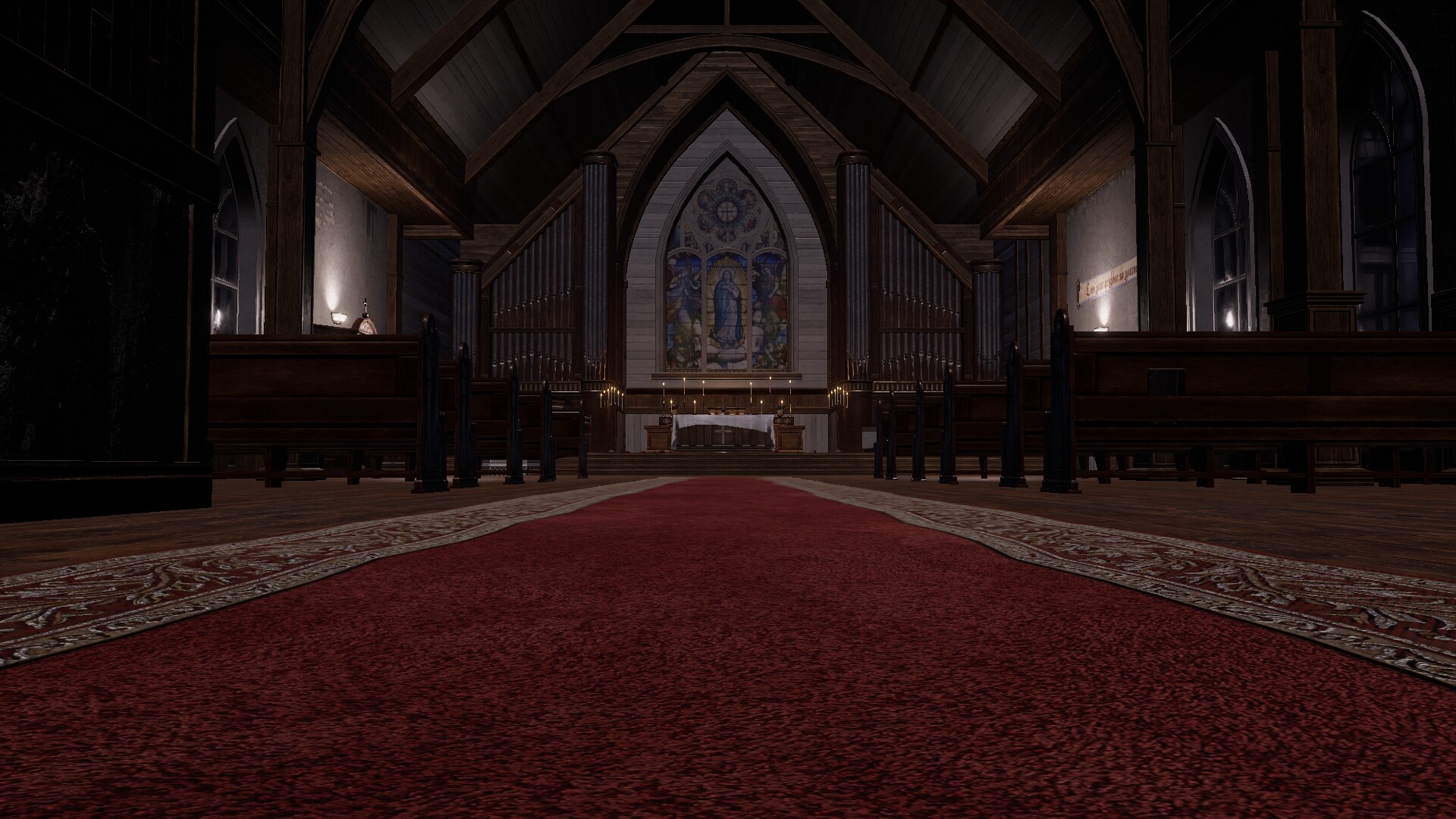
Trace of the Villa casts you as Jin investigating a deliberately forgotten estate. The Steam description emphasizes restored systems, hidden compartments, safes, fragments of encrypted documents, and financial trails concealed behind falsified identities — game elements that suggest puzzles are built around recovering and interpreting documentary evidence. Expect a mix of environmental puzzles and object logic that unlocks successive layers of the mansion’s story.
When and where
The game is available on Steam for PC with a release date of 28 May, 2026. The Steam page lists developer and publisher as Steadyturtle Co., Ltd., and includes official header and screenshot assets linked above.
Why the theme matters: evidence as gameplay
Trace of the Villa uses evidence — manifests, transfer records, encrypted fragments — as the primary currency of narrative progression. That matters because it turns every solved puzzle into a concrete piece of the timeline: restoring power, unlocking a safe, or decrypting a file doesn’t just open a new room or reward; it changes what you can say about who was here and what happened. That gradual accrual of proof keeps story beats earned, not told.
How puzzles reveal story evidence without spoiling plot payoffs
The Steam description specifically mentions restoring power to the estate and recovering fragments of documents and suspicious transfer records. Mechanically, those kinds of puzzles tend to share three design traits that preserve surprise while revealing evidence:
- Modular revelation — puzzles yield discrete artifacts (a manifest, a log entry, an unlocked camera feed) that build context without summarizing everything at once.
- Object logic that rewards close reading — personal belongings and secured systems are clues you must interpret; the act of assembling items or matching records creates a chain of inference rather than a single exposition dump.
- Layered access — restoring systems or power cascades new interactions and reveals hidden compartments and encrypted fragments gradually, so the player controls pacing of discovery.
Those features let the game supply evidence steadily; players reconstruct events from primary materials instead of being told the conclusion outright. That preserves the emotional and investigative payoff for those who prefer to deduce outcomes themselves.
Player scenarios: decide if it fits your taste
- You like slow-burn mansion mysteries: If you enjoy walking through a chilled estate, reading documents and unlocking a sequence of closed systems to gradually map the truth, this is in scope.
- You prefer tactile inventory and document puzzles: The Steam description’s emphasis on manifests, safes, encrypted documents, and transfer records suggests a focus on object-based reasoning over fast reflex or combat-heavy encounters.
- You value accessibility and thoughtful pacing: With “Playable without Timed Input” and subtitle options listed, the experience supports methodical players who want to read and analyze without artificial pressure.
- You want immediate action or multiplayer puzzle co-op: The title’s categories show single-player focus; if you’re looking for cooperative puzzle rooms or match-based puzzle action, look elsewhere.
How it compares to nearby puzzle-adventure experiences
| Title | Genre / Year | Puzzle focus | Atmosphere / Tone | Player fit |
|---|---|---|---|---|
| The Room | Adventure / 2014 | Mechanical, tactile safes and object puzzles | Mysterious, focused on intimate, single-chamber puzzling | Players who enjoy close-up mechanical puzzles and tactile mystery |
| Escape Simulator | Adventure / 2021 | Highly interactive escape-room puzzles; physics and object interaction | Bright, contrived escape-room scenarios; flexible pacing with co-op | Players who like interactive rooms, community content, and co-op |
| Unpacking | Casual / 2021 | Domestic, item-based puzzles that reveal life stories | Zen, character-driven, subtle storytelling through objects | Players drawn to slice-of-life discovery and gentle narrative puzzles |
| Trace of the Villa | Action, Adventure, Indie / 2026 | Document- and system-driven investigations: manifests, safes, encrypted fragments | Slow-burn mansion mystery with investigative tension and erasure of identity | Players who want evidence-first environmental storytelling and methodical deduction |
Where to find more (YouTube discovery)
If you want trailer or gameplay search results, use this YouTube discovery path (search results may include trailers and gameplay posted by various creators): Search Trace of the Villa on YouTube.
Leave a Reply