
Trace of the Villa — how puzzles whisper the story without shouting spoilers
Trace of the Villa places you in Jin’s shoes as he follows a trail of manifests and hints into a remote, decaying mansion; the game leans on environmental clues, object logic, and layered story puzzles to reveal evidence rather than hand you conclusions. Released on 28 May, 2026 by Steadyturtle Co., Ltd., this Action/Adventure/Indie title favours slow-burn suspense and clue-driven exploration over spectacle.

Who this is for
If you prefer atmospheric mystery adventure and patient, evidence-first detective work, Trace of the Villa is pitched at you. It suits players who like environmental storytelling and narrative puzzle design: people who enjoy piecing together a timeline from found documents, restoring systems to unlock new areas, and treating every object as a potential clue. The Steam page lists categories that support this style: Single-player, Playable without Timed Input, Subtitle Options, Color Alternatives, Custom Volume Controls, and Family Sharing—useful for accessibility-minded players.
What the game is
Trace of the Villa follows Jin, who has spent years searching for his missing sister and follows leads to a property “cut off from the grid and deliberately forgotten.” Inside, rooms appear abandoned mid-routine; locked doors and hidden compartments hold fragments of encrypted documents, suspicious transfer records, and manifests that suggest controlled movements of people. Mechanically it sits at the intersection of action and adventure with a strong puzzle emphasis: restoring power, unlocking safes, decoding fragments and following financial and identity trails are explicit design pillars listed in the official description.
When and where
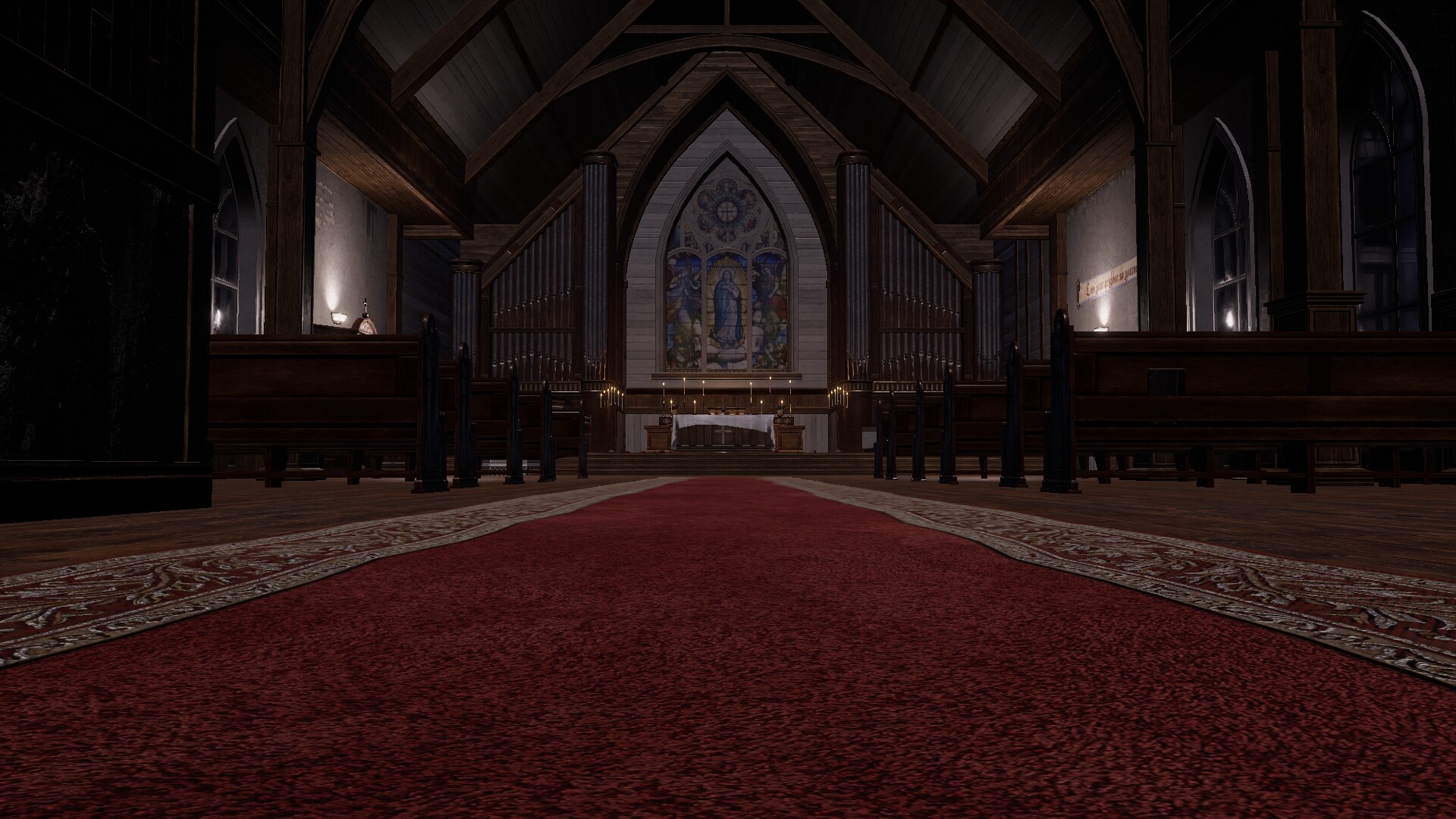
Trace of the Villa launched on Steam on 28 May, 2026. It’s published and developed by Steadyturtle Co., Ltd. and appears on Steam as an Action / Adventure / Indie title; the Steam listing materials include the header and screenshots embedded here for reference.

Why the theme matters
The mansion mystery and the protagonist’s personal stake (Jin’s search for his missing sister) create a frame where small discoveries carry emotional weight. The official description emphasises erasure—rooms furnished but without names or history—and systems that, when restored, “begin to reveal what it was hiding.” That design choice turns puzzle-solving into an act of forensic reading: each solved puzzle yields a fragment of evidence rather than outright explanation, preserving suspense while rewarding attention.
How you read clues and progress
Trace of the Villa structures progression through layered clue mechanics rather than single, isolated riddles. The Steam description notes mechanics such as restoring power to the estate, unlocking hidden compartments, and safes yielding fragments of encrypted documents and transfer records. Practically this means:
- Physical puzzles and device-focused tasks (restoring systems) unlock new information streams rather than just doors.
- Collected manifests and documents act as piecemeal evidence you must arrange mentally—there is an investigative throughline but the game lets you draw connections.
- Puzzles interweave with narrative hints, so object logic (why an item is where it is) often doubles as narrative evidence.
That approach keeps the central mystery intact: puzzles reveal context and corroborating details without spelling out the entire plot at once.
Compact facts: Trace of the Villa
| Title | Trace of the Villa |
|---|---|
| Steam appid | 3483660 |
| Release date | 28 May, 2026 |
| Developer | Steadyturtle Co., Ltd. |
| Publisher | Steadyturtle Co., Ltd. |
| Genres | Action, Adventure, Indie |
| Notable categories (Steam) | Single-player; Color Alternatives; Custom Volume Controls; Playable without Timed Input; Subtitle Options; Family Sharing |
Comparison: where Trace of the Villa sits among puzzle-adventure peers
Below is a focused, editorial comparison on lawful criteria—puzzle focus, atmosphere, exploration style, story delivery, and pacing—so you can judge fit rather than rank superiority.
| Game | Puzzle focus | Atmosphere / Tone | Exploration style | Story delivery | Pacing |
|---|---|---|---|---|---|
| Trace of the Villa | Document fragments, system restoration, safes/encrypted records | Mansion mystery; slow, unsettling, investigative | Clue-driven, environmental—objects and systems unlock evidence | Pieced from manifests and hints; evidence-first | Patient, investigative; slow-burn suspense |
| The Room | Mechanical safes and object puzzles | Closely focused, tactile mystery | Confined, single-room/series progression | Puzzle-led, atmospheric notes and devices | Measured, deliberate |
| Escape Simulator | Highly interactive escape-room puzzles | Playful to tense depending on room | Room-by-room, physics-first interaction | Primarily puzzle-first; narrative minimal or implied | Variable; can be brisk or exploratory |
| Unpacking | Object-placement as storytelling mechanics |
Leave a Reply