
Trace of the Villa — how clue reading, object logic, and story puzzles reveal evidence without spoiling the mystery
Trace of the Villa is an atmospheric mystery adventure from Steadyturtle Co., Ltd., released on 28 May, 2026, that puts you in Jin’s shoes as he investigates a remote, decaying mansion for signs of his missing sister. Its mix of environmental storytelling, inventory-led object logic and layered story puzzles lets players piece together evidence at their own pace without handing out spoilers.

Who, what, when, where, why, and how
Who it is for
Players who favor slow-burn suspense, clue-driven exploration, and narrative puzzle design on PC will find the game aimed at their tastes. If you enjoy methodical reading of manifests, unlocking secured systems, and reconstructing timelines from physical evidence, this is a clearly targeted Steam indie experience. The Steam listing shows it in the Action / Adventure / Indie genres and lists single-player and accessibility-focused categories such as Color Alternatives and Subtitle Options.
What the game is
Trace of the Villa tasks Jin with investigating a property “cut off from the grid,” recovering manifests, encrypted documents, and transfer records that gradually indicate a larger operation and the possibility that his sister may still be alive, according to the official short description. The official description highlights puzzles tied to restoring power, unlocking hidden compartments, and decrypting or piecing together fragments of evidence—mechanics that link object logic to story discovery.
When and where
The game launched on 28 May, 2026 on Steam. It is published and developed by Steadyturtle Co., Ltd., and marketed for PC via the Steam storefront. The Steam page lists categories that include Playable without Timed Input and Family Sharing, which help define expected accessibility and platform context.
Why the theme matters
The mansion setting and the official premise — missing people, removed identities, falsified records — make the game an exercise in forensic reading of a space. That thematic focus rewards players who enjoy environmental storytelling and piecing together motive and timeline from found documents and objects rather than explicit cinematic exposition. Because the narrative unfolds through recovered manifests and secured systems, the stakes are revealed as you solve puzzles, not before.
How puzzle mechanics reveal story evidence without spoiling plot points
Trace of the Villa uses concrete puzzle systems described on the Steam page—restoring power, opening safes, and decrypting fragments—to stagger information. That structure creates three clear affordances:
- Clue reading: Manifests and transfer records act as in-world evidence. They feed players factual breadcrumbs—dates, names, destinations—so you assemble a working timeline without being told the full answer.
- Object logic: Inventory and environment puzzles enforce causality. To access a document you often must restore a circuit or find a combination, which ties the act of solving to the discovery itself. This makes learning part of the gameplay loop instead of mere cutscene exposition.
- Story puzzles: Encrypted fragments and locked compartments present partial information. Solving them expands the picture incrementally, keeping key revelations gated behind player action and preserving major narrative beats for discovery rather than summary.
Because these mechanics reveal evidence in layers, they let designers control pacing and player knowledge: you can understand the operation’s outline from documents and systems without being given the final resolution prematurely.
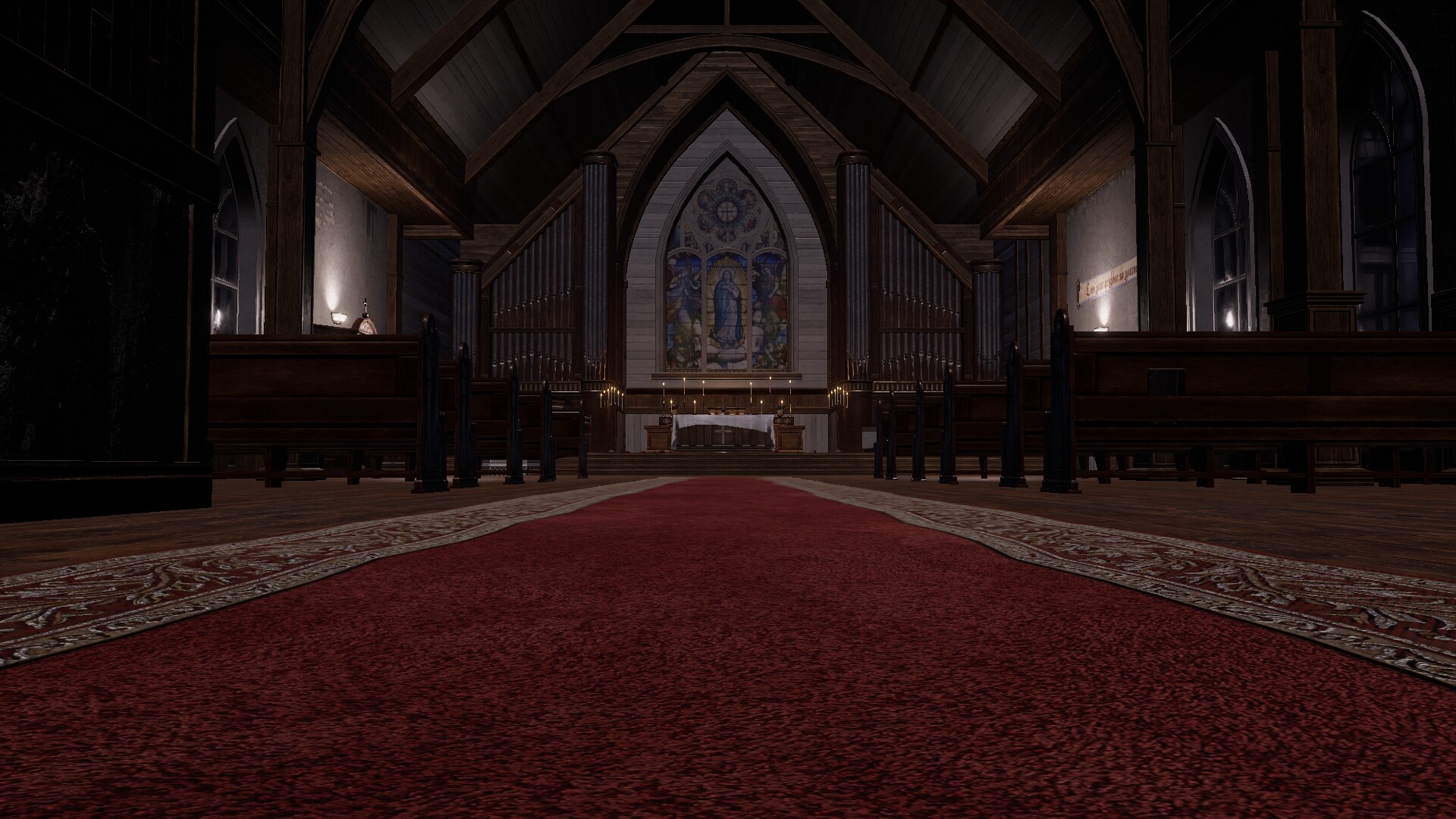
Visuals from the Steam page

Quick facts
| Title | Trace of the Villa |
|---|---|
| Developer / Publisher | Steadyturtle Co., Ltd. |
| Release date | 28 May, 2026 |
| Genres | Action, Adventure, Indie |
| Key Steam categories | Single-player; Color Alternatives; Custom Volume Controls; Playable without Timed Input; Subtitle Options; Family Sharing |
| Steam page | Trace of the Villa on Steam |
How it compares to nearby puzzle/adventure titles
Below is a compact editorial comparison to help you decide whether this mansion-focused, clue-driven game fits your tastes relative to a few other puzzle-heavy experiences.
| Game | Puzzle focus | Atmosphere / tone | Exploration style | Best for players who… |
|---|---|---|---|---|
| Trace of the Villa | Document-based clues, encrypted fragments, power/safe puzzles | Mansion mystery; slow-burn, investigative | Room-to-room forensic reading, restoration of systems | Prefer piecing together evidence from objects and manifests |
| The Room | Mechanical safes and tactile object puzzles (locked devices) | Focused, tactile mystery; intimate and puzzle-centric | Single-room, iterative object examination | Enjoy intricate physical puzzles and singular, handcrafted devices |
| Escape Simulator | Highly interactive escape-room style puzzles; physics interactions | Varied tones across rooms; often playful or cooperative | Boxed escape rooms with object interaction and team play | Like high interactivity, co-op or community-made rooms |
| Unpacking | Domestic, object-placement puzzles that reveal life stories | Quiet, reflective, slice-of-life | Stationary scenes revealing narrative through possessions | Prefer slow, non-violent storytelling via everyday objects |
Player scenarios — who should wishlist it
- If you want investigative pacing where reading manifests and reassembling financial trails matters more than combat, this likely fits your preferences.
- If you appreciate puzzle design that ties reward (new evidence) to mechanical achievement (restoring systems, cracking safes), this is a natural match.
- If you expect cinematic reveals delivered up-front rather than discovered through play, this title’s layered-evidence approach may not align with your ideal pacing.
YouTube discovery
Looking for trailers or gameplay impressions? Use this search path to find community videos and trailers: YouTube search for Trace of the Villa trailer & gameplay. This is a discovery link — consult the Steam page for official media.
Final notes and disclaimer
The Steam listing frames Trace of the Villa as a narrative puzzle experience about investigating a deliberately forgotten estate and recovering evidence suggesting a broader operation. The information in this piece is drawn from the game’s official Steam data and Steam-provided assets. Refer to the store page for the full official description and media.
Referenced titles and trademarks belong to their respective owners; comparisons are editorial discovery only and not endorsements.
Leave a Reply