Trace of the Villa: why quiet tension and uncertainty matter more than shock claims
Trace of the Villa is a slow-burn atmospheric mystery adventure that trades jump scares for a creeping sense of erasure: a decaying mansion where records, names and histories have been deliberately stripped away. Released on 28 May, 2026 by Steadyturtle Co., Ltd., it frames investigation and environmental storytelling around Jin’s search for a missing sister and the faint traces left behind.

What Trace of the Villa is
At its core, Trace of the Villa is an investigative, narrative-driven PC mystery built around exploration and puzzle resolution. According to the official Steam listing, Jin follows a lead to a remote, deliberately forgotten mansion. The estate looks lived-in but emptied of identity: furnished rooms with no photographs, locked doors hiding hastily secured secrets, and documents that suggest falsified identities and controlled movements. Restoring power and unlocking systems reveals fragments of encrypted documents and suspicious transfer records — a clue-driven progression that exposes a larger, concealed operation.
| Title | Trace of the Villa |
|---|---|
| Release date | 28 May, 2026 |
| Developer | Steadyturtle Co., Ltd. |
| Publisher | Steadyturtle Co., Ltd. |
| Genres | Action, Adventure, Indie |
| Steam categories | Single-player; Color Alternatives; Custom Volume Controls; Playable without Timed Input; Subtitle Options; Family Sharing |
| Steam page | Open Trace of the Villa on Steam |
When and where — Steam / PC context
Trace of the Villa is available on Steam and listed as released on 28 May, 2026. The Steam page lists developer and publisher as Steadyturtle Co., Ltd., and the product is positioned among action/adventure indie titles with accessibility options such as subtitle support and no timed input requirements.
Who this is for
- Players who prefer slow-burn suspense and environmental storytelling over frequent jump scares.
- Fans of clue-driven exploration and puzzle design that rewards careful reading of surroundings and recovered systems.
- Those interested in psychological investigations where identity and absence — rooms that feel “erased” — are the core narrative engine.

Why the theme of erasure and uncertainty matters
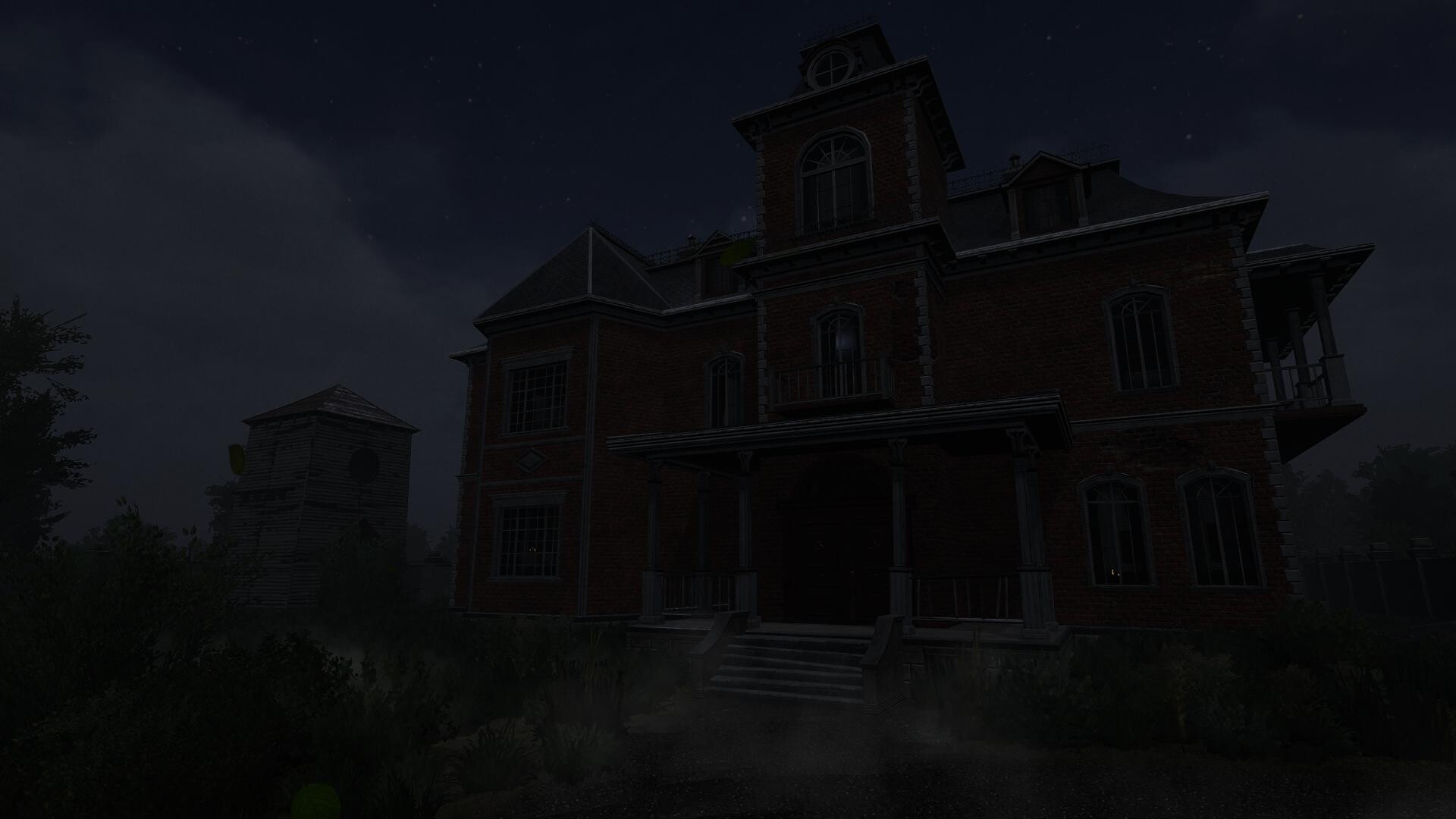
Trace of the Villa leans on an unsettling premise: a place where names, photographs and ownership appear deliberately removed. That absence creates a different kind of dread than predictable jump scares. When a house appears “erased,” players fill those blanks with imagination — and that personal investment sustains tension between discoveries, making each unlocked document or restored circuit feel consequential. The official description stresses financial trails that lead nowhere, falsified identities and arrivals without records; these elements turn investigative pacing into the primary source of unease.
How you progress: reading clues and piecing the timeline
According to the Steam description, progression in Trace of the Villa hinges on restoration and discovery: restoring power to the estate brings locked systems and hidden compartments back to life, safes yield fragments of encrypted documents, and manifests give hints that Jin’s missing sister may still be alive. Each solved puzzle uncovers further layers of the concealed operation, and piecing those fragments together forms the core loop — environmental investigation, document analysis, and system reactivation.
Player scenarios — who should wishlist this now
- If you favor atmosphere over action: You’ll appreciate the hush-and-reveal structure where tension grows from missing context and slow discoveries.
- If you like methodical puzzle work: The described safes, encrypted fragments and restored systems suggest challenge through information rather than reflexes; categories note “Playable without Timed Input.”
- If you enjoy investigative narratives with moral ambiguity: Financial records leading nowhere and falsified identities provide narrative hooks for players who want to interpret motives rather than being shown them outright.
How Trace of the Villa compares to nearby titles
Below is a compact editorial comparison focusing on atmosphere, puzzle focus, exploration style, story tone and pacing. These comparisons are drawn from publicly available descriptions and editorial research, not from claims of superiority.
| Title | Atmosphere | Puzzle focus | Exploration style | Story tone | Pacing |
|---|---|---|---|---|---|
| Trace of the Villa | Quiet, erasure-driven suspense in a decaying mansion | Clue-driven: documents, safes, restored systems | Investigative, room-by-room environmental reading | Conspiracy and identity removal; personal search | Slow-burn; build-up through discovery |
| Amnesia: The Dark Descent | Immersive, oppressive first-person horror | Survival-leaning puzzles and mechanics tied to sanity | Linear exploration with emergent dread | Personal horror and survival | Relentless tension with moments of respite |
| SOMA | Sci-fi, claustrophobic atmosphere beneath the ocean | Puzzles integrated with environment and narrative reveal | Exploration of facility spaces, narrative-driven | Existential questions and identity uncertainty | Measured pacing focused on story and reflection |
| Layers of Fear (2016) | Shifting, surreal Victorian mansion mood | Environmental puzzles tied to psychological themes | Nonlinear-feeling corridors that rearrange perception | Madness, obsession, artistic descent | Atmospheric and chapter-based; psychological peaks |
| Poppy Playtime | Bright but menacing toy-factory horror | Puzzle-adventure with mechanical tools (GrabPack) | Facility exploration with set-piece encounters | Survival/pursuit tone with puzzle interludes | Faster moments with tension spikes |
YouTube discovery
Search for official trailers or gameplay footage here (use as a discovery path; not all results may be official): Trace of the Villa trailer & gameplay on YouTube.
View Trace of the Villa on Steam
Disclaimer: Referenced titles and trademarks belong to their respective owners.
Leave a Reply