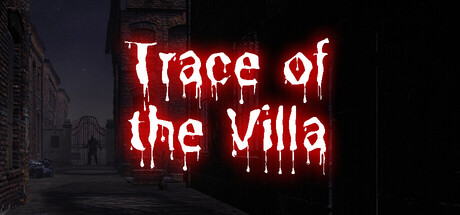
Trace of the Villa: how silence, erased identities and unexplained rooms fuel slow-burn dread
Trace of the Villa drops you into a decaying mansion where the ordinary mechanics of identity and memory have been deliberately stripped away — and it trusts silence and uncertainty to do the heavy lifting. With a release on 28 May, 2026 and development/publishing handled by Steadyturtle Co., Ltd., the game foregrounds atmospheric, clue-driven exploration over jump scares.

What Trace of the Villa is
Trace of the Villa is a Steam PC title listed as Action / Adventure / Indie that casts you as Jin, a man who has spent years searching for his missing sister and follows a lead to a remote, deliberately forgotten mansion. The official short description and in-store text make the game’s priorities clear: investigation, environmental storytelling, and the slow unspooling of a larger, carefully concealed operation as you restore power, open locked compartments, and decode fragments of documents.
Who it is for
This is for players who prefer atmospheric mystery adventure and psychological investigation: those who want to read a space like a text, assemble timelines from objects and records, and feel mounting dread created by the absence of ordinary human traces (no photographs, no names). If you enjoy puzzle-led exploration, slow-burn suspense, and story-rich adventure that rewards observation and patience, Trace of the Villa sits squarely in that lane.
When and where
Trace of the Villa released on Steam on 28 May, 2026 and is offered on Steam as a single-player PC experience. Developer and publisher credit both go to Steadyturtle Co., Ltd., and the Steam page lists relevant accessibility and settings categories such as Color Alternatives, Custom Volume Controls, Playable without Timed Input, Subtitle Options, and Family Sharing.
Why quiet tension and uncertainty matter more than shock claims
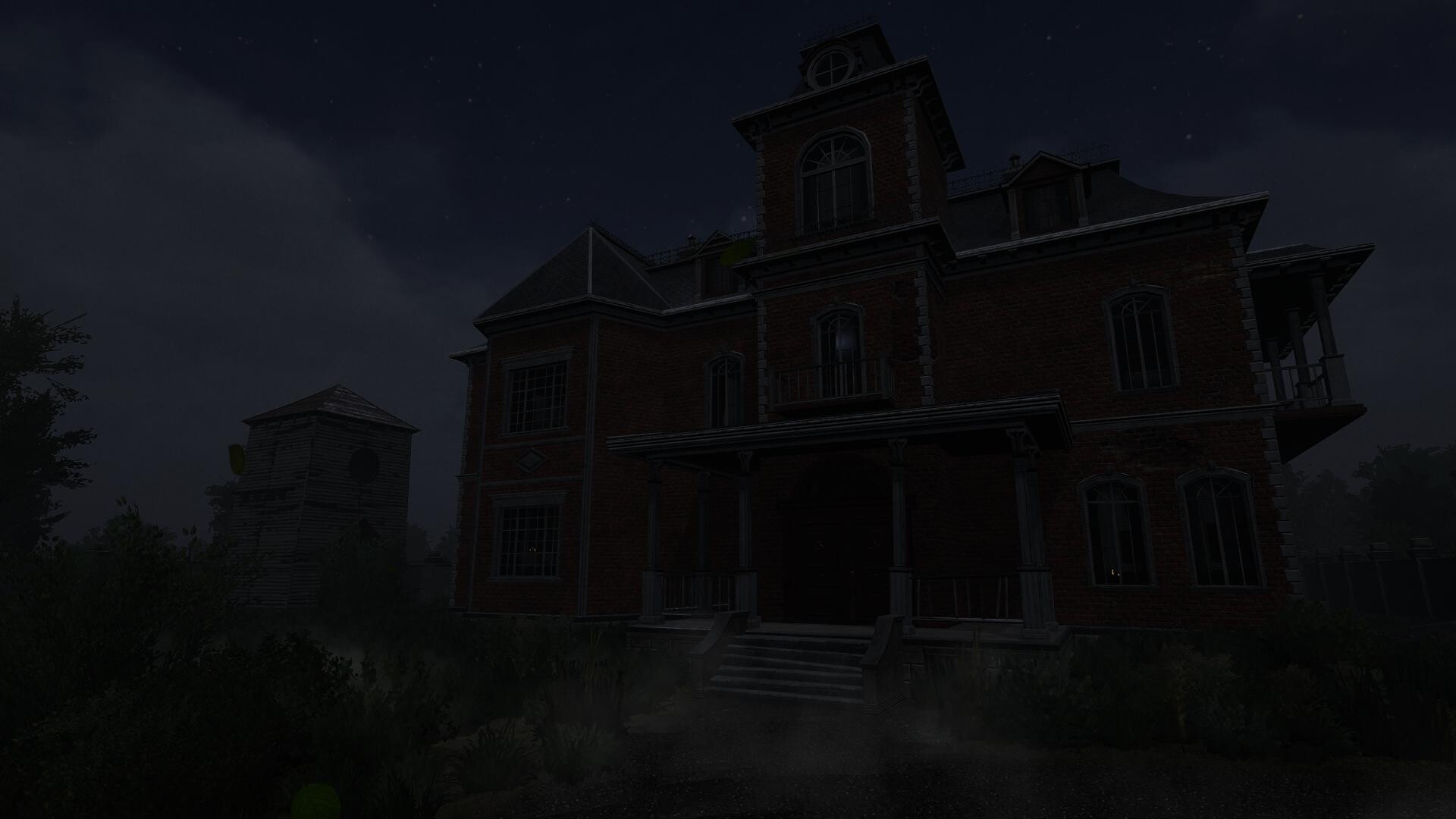
Psychological horror that leans on unexplained spaces and identity erasure works by denying answers as much as by providing them. The mansion in Trace of the Villa is described as “less abandoned than erased”: furniture remains, personal effects sit undisturbed, but there are no photographs or names. That absence creates a different kind of fear — one rooted in the mind’s insistence on filling gaps. Where loud scares force immediate reactions, uncertainty keeps players in a state of anticipatory attention. It lengthens emotional investment; every door you open or system you power back on shifts the balance between pattern and mystery.
How you progress — reading clues and solving puzzles
The official store text outlines the mechanical spine: Jin restores the estate’s power, secured systems come back online, hidden compartments unlock, and safes yield fragments of encrypted documents and suspicious transfer records. Progress is driven by environmental investigation and puzzle solving — each solved puzzle reveals another layer of a concealed operation (falsified identities, financial trails that lead nowhere, arrivals without records). That structure places emphasis on slow accrual of context rather than discrete shock moments.
Compact facts — Trace of the Villa
| Title | Trace of the Villa |
|---|---|
| Steam AppID | 3483660 |
| Release date | 28 May, 2026 |
| Developer / Publisher | Steadyturtle Co., Ltd. |
| Genres | Action, Adventure, Indie |
| Categories (selected) | Single-player; Color Alternatives; Custom Volume Controls; Playable without Timed Input; Subtitle Options; Family Sharing |
| Official short premise | Jin searches for his missing sister in a remote, decaying mansion and recovers manifests and hints suggesting she may still be alive. |
Who should wishlist it — specific player scenarios
- Explorer-investigator: You enjoy parsing inventory items, documents and environmental cues to assemble a timeline rather than relying on scripted jump scares.
- Slow-burn player: You prefer mood and implication; a narrative that tightens slowly as systems are restored and secrets seep out.
- Puzzle-focused adventurer: You like puzzles that are integral to story beats (unlocking safes, restoring power, decrypting fragments) rather than optional minigames.
- Mansion mystery fans: You want an experience where the house itself is a character — its absences and erasures are the primary narrative engine.
How Trace of the Villa differs from nearby titles
Below is a brief editorial comparison using lawful criteria (genre, atmosphere, puzzle focus, exploration style, story tone, pacing and player fit). This is discovery-oriented, not a claim of superiority.
| Game | Primary focus | Atmosphere & tone | Pacing / Player fit |
|---|---|---|---|
| Trace of the Villa | Clue-driven exploration; reconstruction of erased identities; narrative puzzles | Quiet, suffocating; emphasis on absence and erased personal history | Slow-burn; for players who piece together stories from objects, systems restoration, and documents |
| Amnesia: The Dark Descent | Immersive first-person survival horror and exploration | Relentless dread and helplessness | Immersion-heavy; players expect tension through vulnerability and environmental threat |
| SOMA | Sci-fi horror with philosophical questions about existence | Undersea, existential, intellectually unsettling | Deliberate pacing; players who want narrative puzzles entwined with conceptual horror |
| Layers of Fear (2016) | First-person psychological horror focused on storytelling and an ever-shifting mansion | Surreal, artistic, disorienting | Exploration and narrative focus; players who like visual metaphor and shifting environments |
| Poppy Playtime | Horror/puzzle adventure in an abandoned factory with mechanical tools | Playful yet sinister; toy-factory creep | Puzzle-action mix; players who like device-based interactions and set-piece tension |
YouTube discovery
If you want to see trailers or gameplay footage, search on YouTube for Trace of the Villa — use this discovery link (search results may include official and community uploads): YouTube: Trace of the Villa trailer & gameplay.
View Trace of the Villa on Steam
Referenced titles and trademarks belong to their respective owners. Comparisons above are editorial discovery intended to help readers match game features, atmosphere, and pacing to their preferences.
Leave a Reply