
Trace of the Villa: why quiet uncertainty in a decaying mansion unsettles more than cheap shocks
Trace of the Villa leans on withheld information and the erasure of identity to build dread: rooms lived-in but stripped of names, systems that must be coaxed back online to reveal fragmented records. This slow-burn approach—piecing together manifests, restoring power, opening locked compartments—aims for psychological tension rather than constant jump scares.

Quick facts
| Title | Trace of the Villa |
|---|---|
| Release date | 28 May, 2026 |
| Developer / Publisher | Steadyturtle Co., Ltd. |
| Genres | Action, Adventure, Indie |
| Categories | Single-player; Color Alternatives; Custom Volume Controls; Playable without Timed Input; Subtitle Options; Family Sharing |
| Where to buy | Steam store page — Trace of the Villa |
| User reviews (Steam) | No user reviews on Steam at time of writing |
Who should wishlist Trace of the Villa?
- Players who prefer slow-burn suspense and environmental storytelling over constant shocks.
- Fans of clue-driven exploration and narrative puzzle design—those who want to reconstruct events from fragments.
- Anyone interested in mansion mysteries and psychological investigation where the house itself feels like an interlocutor.
- Players who benefit from accessibility options: subtitles, custom volume controls, and alternatives for visuals.
What the game is (and what it actually asks you to do)
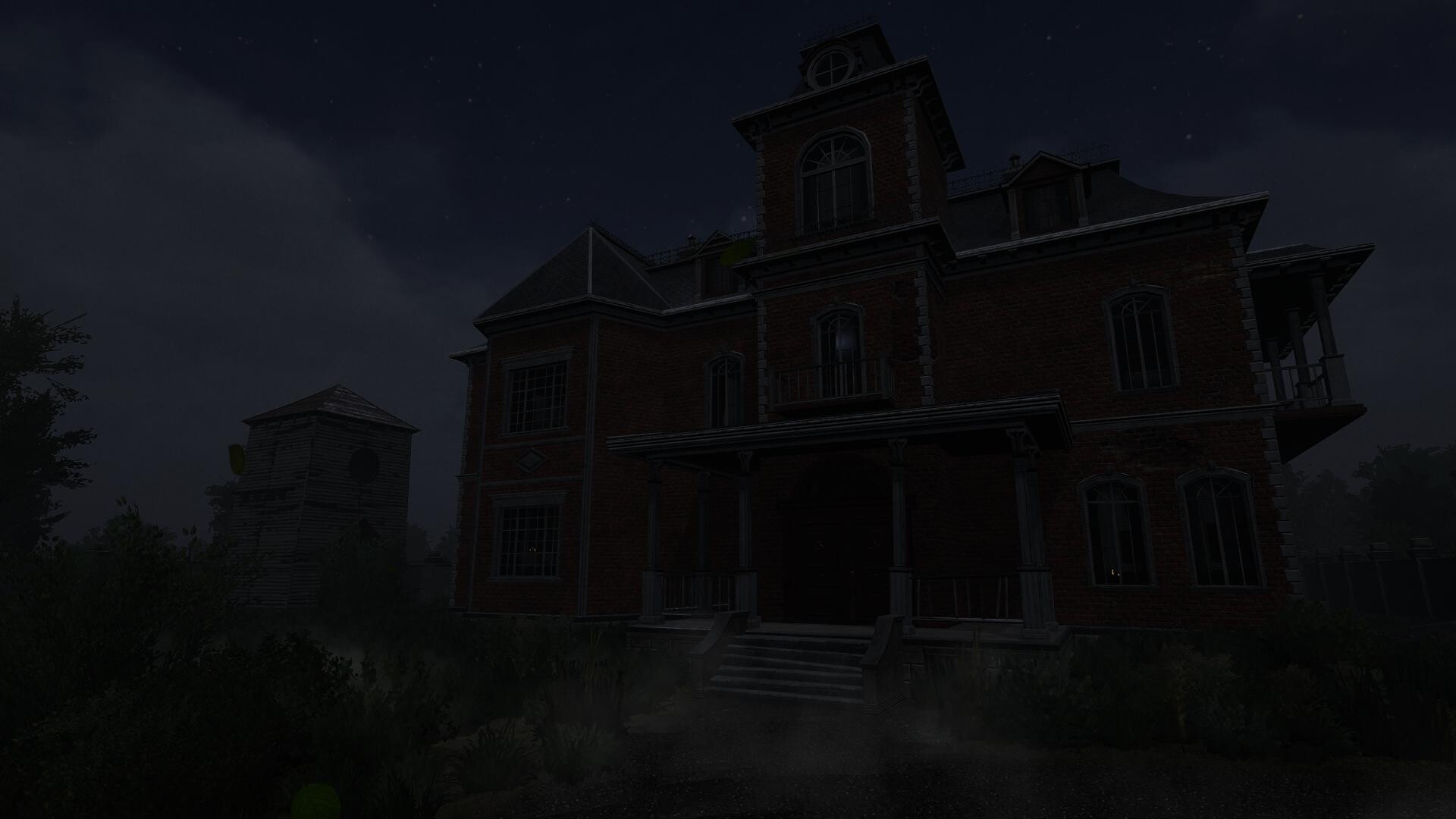
Officially described on Steam, Trace of the Villa follows Jin, who has searched for his missing sister and follows a lead to a remote, decaying mansion. The estate appears deliberately forgotten: furnished rooms with no photographs, locked doors, and personal items with identifying traces removed. When Jin restores power, secured systems return online, hidden compartments open, and safes reveal fragments of encrypted documents and suspicious transfer records. Progression centers on investigation—finding manifests, decrypting fragments, restoring systems—and assembling the timeline that points toward the truth at the end of the trail.

When and where
Trace of the Villa launched on Steam on 28 May, 2026 and is published and developed by Steadyturtle Co., Ltd. It is presented as a single-player PC title with accessibility and control options listed on its Steam page.
Why quiet tension and identity erasure matter
Horror based on unexplained absence—rooms that seem to have been used but intentionally scrubbed of names and photos—forces a different cognitive engagement. Instead of reacting to loud stimuli, players must tolerate ambiguity and assemble meaning from negative space. That erasure is thematic: the house doesn’t just conceal things, it removes the anchors (names, photos, records) that let you feel certain about who belonged there. The result is atmospheric suspense that lingers after a session, because uncertainty persists even when new documents appear.
How progression works (what you actually do)
The Steam description emphasizes investigation as gameplay: restoring power, reactivating systems, unlocking compartments, and retrieving encrypted fragments and transfer records. Rather than reflex-based sequences, Trace of the Villa asks players to combine environmental detail with recovered manifests to map arrivals and departures—and to follow financial and identity anomalies that suggest this mansion was part of a larger, concealed operation.
Player scenarios — who will enjoy it (and who probably won’t)
- Methodical investigator: You enjoy cataloguing evidence, cross-referencing documents, and slowly building a timeline. This game suits your patience.
- Atmosphere-first player: You prefer tension that creeps in through sound design, lighting, and unsettlement in staged domestic spaces rather than frequent jump scares.
- Puzzle-adventure fan: If you like environmental puzzles tied to narrative beats—restoring power to reveal the next clue—this will fit.
- Action/hardcore horror seeker: If you want constant, high-octane fright or combat-heavy setpieces, Trace of the Villa’s slow-burn investigative tone may frustrate you.
How it compares to nearby titles
Below is a concise editorial comparison focused on genre, atmosphere, puzzle emphasis, exploration style, story tone, and pacing.
| Game | Main focus | Atmosphere / Story tone | Puzzle / Exploration | Pacing |
|---|---|---|---|---|
| Trace of the Villa | Psychological investigation, mansion mystery | Decaying domesticity, identity erasure, sustained unease | Clue-driven: restores systems, opens safes, decrypts documents | Slow-burn, methodical |
| Amnesia: The Dark Descent | Immersive first-person survival horror | Claustrophobic dread, supernatural undertones | Exploration with physics puzzles and stealth elements | Intense, tension spikes |
| SOMA | Sci-fi horror that questions existence | Brooding, existential, underwater isolation | Environmental puzzles woven into narrative beats | Slow to medium; narratively driven |
| Layers of Fear (2016) | Psychological horror focused on a single protagonist’s mind | Unreliable spaces, surreal mansion exploration | Story-led environmental puzzles; shifting level design | Atmospheric with episodic crescendos |
| Poppy Playtime | Horror/puzzle adventure in an abandoned factory | Playful-cum-threatening toys, tense setpieces | Puzzle tools (e.g., GrabPack) and circuit puzzles | Moderate pacing with moments of chase/tension |
Practical notes for Steam shoppers
- The Steam store shows Trace of the Villa as released on 28 May, 2026, developed and published by Steadyturtle Co., Ltd.
- Categories on Steam indicate single-player focus and include accessibility options such as subtitle support and custom volume controls.
- If you prioritize user reviews before buying, note that there were no public user reviews on the Steam
YouTube discovery
For trailer and gameplay discovery, use YouTube search rather than relying on unverified embeds: Find Trace of the Villa trailer and gameplay searches on YouTube.
Leave a Reply