
Trace of the Villa: why quiet tension and erasure outpace cheap shocks in modern psychological horror
A mansion that feels less abandoned than erased is a rarer kind of threat: one that asks you to read absence as evidence. Trace of the Villa (Steadyturtle Co., Ltd., released 28 May, 2026) leans into unexplained spaces, identity erasure, and slow-burn atmospheric suspense rather than relying on jump scares or spectacle.

Who this is for
Players who prize atmospheric mystery adventure, clue-driven exploration, and narrative puzzle design over twitch reflexes. If you prefer methodical inspection of environments, reconstruction of timelines from scattered evidence, and stories built around absence and falsified identities, Trace of the Villa is pitched at that sensibility. The Steam listing also notes accessibility features (Subtitle Options, Custom Volume Controls, Color Alternatives) and that the game is Playable without Timed Input — useful signposts for players who dislike pressured, reaction-based sequences.
What the game is
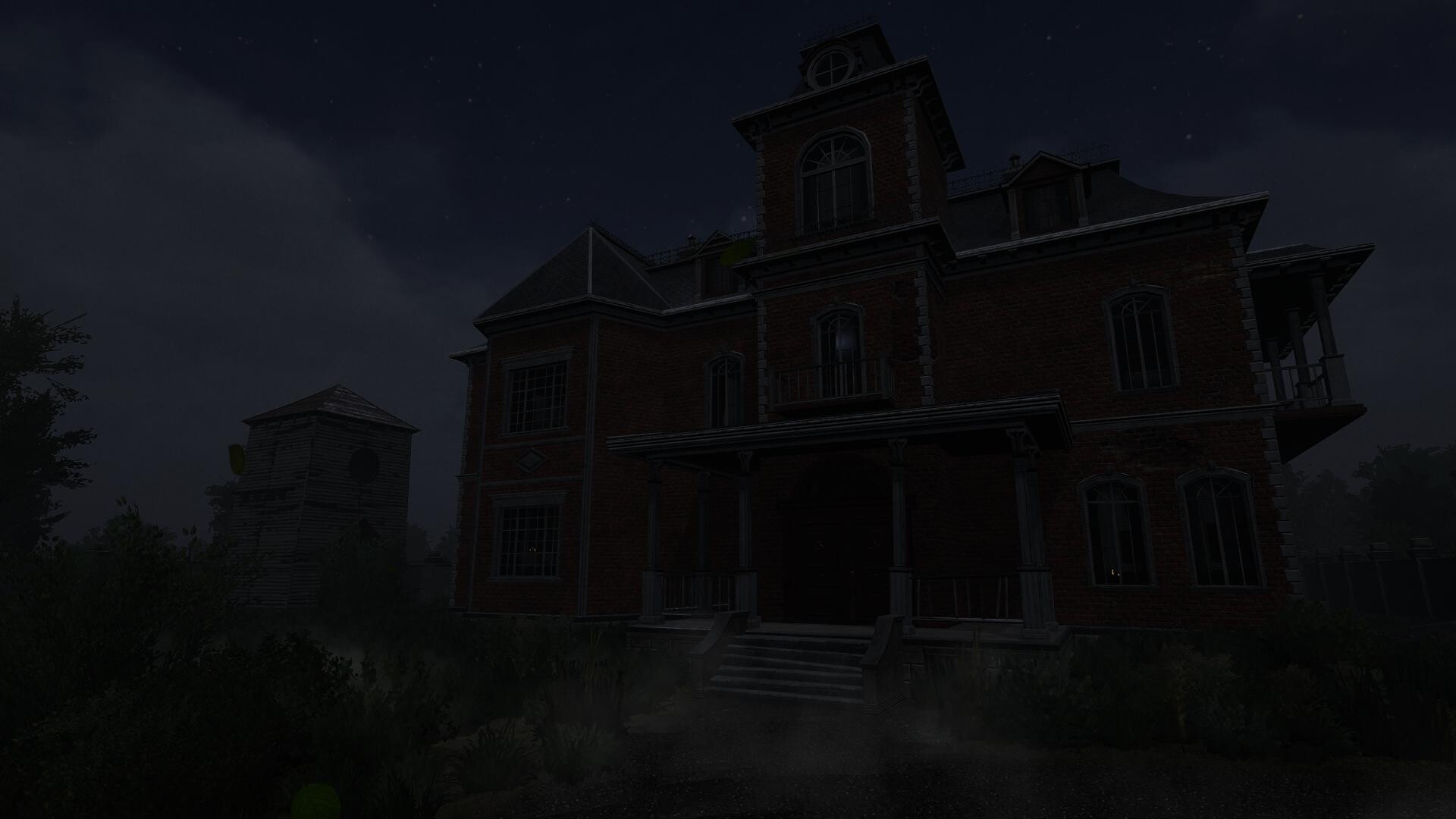
Trace of the Villa is a story-rich, single-player psychological mystery released 28 May, 2026 by Steadyturtle Co., Ltd. According to the Steam page, protagonist Jin follows leads to a remote, decaying mansion where he recovers manifests and hints that indicate his missing sister may still be alive. The house presents as deliberately forgotten: rooms furnished as if occupants vanished mid-routine, locked doors hiding secured secrets, and personal effects without photographs or names — a setting that thematically foregrounds identity erasure.
When and where
The game launched on Steam on 28 May, 2026. It’s presented as a PC experience (Steam appid 3483660) in the Action / Adventure / Indie genres and listed under categories including Single-player, Color Alternatives, Custom Volume Controls, Playable without Timed Input, Subtitle Options, and Family Sharing.
Why the theme matters: unexplained spaces and identity erasure
Psychological horror that foregrounds erased identities turns absence into a narrative engine. Trace of the Villa’s premise — rooms preserved but stripped of names or photographs, encrypted documents and falsified identities found when power is restored — means tension comes from discovery and implication rather than an on‑the‑nose monster reveal. That quiet uncertainty asks players to parse why records were altered, who was moved through the house under control, and what “erasure” looks like on bureaucratic and personal levels. For players sensitive to sustained unease, this approach stretches dread over investigation, making each unlocked safe or decrypted fragment meaningful.
How you progress: clues, systems, and pacing
The Steam description frames progression around environmental restoration and evidence recovery. When Jin restores power, systems come back online, hidden compartments and safes yield fragments of encrypted documents and suspicious transfer records, and each puzzle solved reveals another layer of a concealed operation. Expect a gameplay loop of exploration, puzzle-solving, and interpretation: restore systems, access new areas or records, and piece together timelines from manifests and transfers. The “Playable without Timed Input” tag suggests puzzles and exploration favor reflection over reflex.
Specific player scenarios — should you wishlist this?
- Choose Trace of the Villa if you enjoy careful, investigative pacing: you want to read an environment like a text and let dread accumulate across discoveries.
- Skip or wait if you expect action-heavy survival or constant high-intensity moments — the game’s emphasis is on atmospheric mystery and narrative puzzle design, not shock-driven set pieces.
- Wishlist if you value accessibility and steady pacing: Subtitle Options, Custom Volume Controls, Color Alternatives, and Playable without Timed Input accommodate a wide range of players.
- Consider it if you like explorations of identity and bureaucratic erasure in fiction — the house’s emptied records and falsified identities are central story engines.
Compact facts: Trace of the Villa
| Title | Trace of the Villa |
|---|---|
| Steam appid | 3483660 |
| Release date | 28 May, 2026 |
| Developer / Publisher | Steadyturtle Co., Ltd. |
| Genres | Action, Adventure, Indie |
| Key categories | Single-player; Color Alternatives; Custom Volume Controls; Playable without Timed Input; Subtitle Options; Family Sharing |
| Short premise | Jin searches a decaying mansion for clues about his missing sister; restored systems reveal encrypted documents, falsified identities, and signs of a controlled operation. |

How this compares to nearby mystery/puzzle games
Below is a focused editorial comparison on tone, gameplay focus, and pacing — not a ranking. These titles are referenced only as points of reader preference and editorial discovery.
| Title | Release date | Tone / Focus | Gameplay focus | Pacing |
|---|---|---|---|---|
| Amnesia: The Dark Descent | 8 Sep, 2010 | Immersive, claustrophobic survival horror | First-person exploration and survival; immersion and dread | Slow-build with intense survival moments |
| SOMA | 21 Sep, 2015 | Sci‑fi horror that questions existence | Exploration and narrative-driven puzzles in an atmospheric setting | Measured, contemplative with existential tension |
| Layers of Fear (2016) | 15 Feb, 2016 | Psychological horror, shifting mansion, artistic obsession | First-person storytelling and environment-based puzzles | Psychological, episodic escalation |
| Poppy Playtime | 12 Oct, 2021 | Horror/puzzle adventure in an abandoned factory | Puzzle tools (GrabPack) and encounter-driven moments | More punctuated, set-piece tension |
Leave a Reply