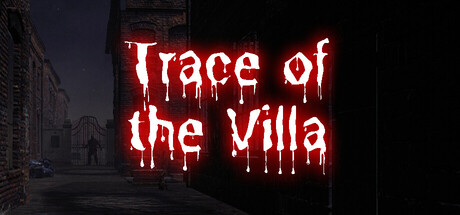
Trace of the Villa: why quiet tension, erased identities, and unexplained spaces matter more than cheap shocks
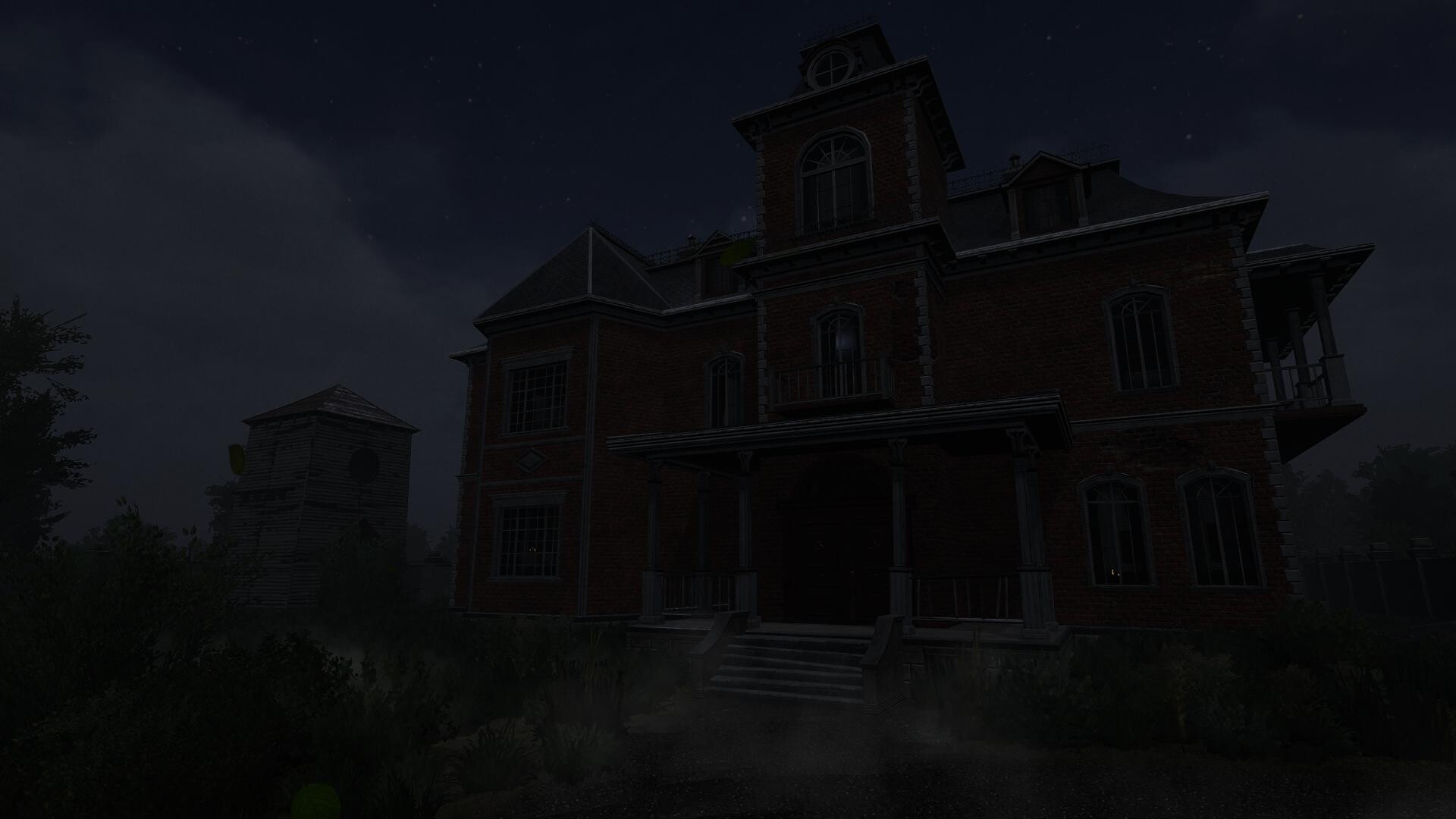
Trace of the Villa drops you into a decaying, deliberately forgotten mansion where Jin follows fragmented manifests and hints that his missing sister may still be alive. The game trades jump-scare spectacle for slow, investigative unease—power restored to locked systems, safes that yield encrypted fragments, and rooms that feel less abandoned than erased.

What Trace of the Villa is
Trace of the Villa is a story-rich, atmospheric mystery adventure focused on environmental storytelling and clue-driven exploration. Developed and published by Steadyturtle Co., Ltd., the game centers on Jin’s investigation of a remote mansion in which personal belongings remain but photographs, names, and histories appear to have been removed. Mechanically it mixes exploration, puzzle solving and investigative recovery of documents and manifests rather than action-led combat setpieces.
Who this is for
- Players who prefer slow-burn suspense and dread built from unanswered questions rather than sudden shocks.
- Lovers of environmental storytelling—those who read meaning into furnishings, powered systems, and encrypted records.
- Players drawn to psychological themes about identity, disappearance, and institutional erasure rather than overt horror gore.
- Fans of narrative puzzle design who enjoy gathering fragments (manifests, transfer records, encrypted documents) to assemble a timeline.
When and where
Trace of the Villa released on 28 May, 2026 and is available on Steam for PC. The Steam page lists the title, developer and publisher as Steadyturtle Co., Ltd., and categorizes the experience under Action, Adventure, Indie, with Single-player and accessibility features such as Subtitle Options and Custom Volume Controls.
Why quiet tension and identity erasure matter more than shock claims
Psychological horror that leans on uncertainty creates a different cognitive relationship with the player. Short, loud scares trigger an immediate physiological response, but unresolved absence—rooms furnished as if vacated mid-routine, missing photographs, falsified identities and financial trails that lead nowhere—keeps attention active and speculative. Trace of the Villa’s central conceit (that the house feels “erased” rather than simply empty) makes every unlocked compartment and restored system count: each small reveal reframes prior assumptions and stretches unease across play sessions.
How you progress — the investigation loop
Progress in Trace of the Villa is clue-driven and modular rather than purely reflexive. Official Steam materials describe Jin recovering manifests and hints that suggest his sister may still be alive; when he restores power to the estate, secured systems come back online, hidden compartments unlock, and safes yield fragments of encrypted documents and suspicious transfer records. Players piece together a timeline from those fragments—matching manifests to transfer records and identifying falsified identities—so exploration, unlocking, and document decoding form the core loop.

Compact facts — Trace of the Villa
| Title | Trace of the Villa |
|---|---|
| Steam AppID | 3483660 |
| Release date | 28 May, 2026 |
| Developer / Publisher | Steadyturtle Co., Ltd. |
| Genres | Action, Adventure, Indie |
| Categories | Single-player; Color Alternatives; Custom Volume Controls; Playable without Timed Input; Subtitle Options; Family Sharing |
| Short premise | Jin searches a decaying mansion, recovering manifests and hints that his missing sister may still be alive; the house feels less abandoned than erased. |
How it compares (editorial discovery)
Below is a compact, lawful comparison to nearby psychological/horror exploration titles. Use it to judge fit: whether you want puzzle-led document investigation, claustrophobic descent, or toy-factory tension.
| Title | Genre / Tone | Puzzle & Exploration Focus | Pacing / Story Tone | Best for players who… |
|---|---|---|---|---|
| Trace of the Villa | Action / Adventure / Indie — atmospheric mystery adventure | Clue-driven exploration, unlocking systems, reconstructing manifests and encrypted records | Slow-burn, investigative, suspenseful; emphasis on erasure and identity gaps | Prefer reading documents and assembling a concealed timeline from environmental fragments |
| Amnesia: The Dark Descent | Action / Adventure / Indie — immersion and survival horror (2010) | Environmental puzzles with a heavy focus on immersion and sanity mechanics | Atmospheric, often oppressive; direct dread and survival tension | Want immersive, direct horror with sanity and survival elements |
| SOMA | Action / Adventure / Indie — sci-fi horror (2015) | Exploration-driven narrative, philosophical questions; fewer arcade puzzles | Slow, contemplative, existential; horror emerges from ideas more than jump shocks | Enjoy philosophical, atmosphere-first horror that questions identity and consciousness |
| Layers of Fear (2016) | Adventure / Indie — psychological horror | Exploration of an ever-shifting mansion with story-driven environmental puzzles | Unsettling, hallucinatory pacing; identity and madness themes | Like mansion mysteries that warp reality and focus on artistic/psychological breakdown |
| Poppy Playtime | Action / Adventure / Indie — tension in an abandoned factory (2021) | Puzzle adventure with toy-based mechanics and more direct chase/tension moments | Higher-action, intermittent high-tension setpieces; more overt threats | Prefer puzzle mechanics balanced with moments of active threat and more frequent scares |
Player scenarios — who should wishlist it now
- Story-first explorers: you like assembling timelines from documents and unlocked systems; the mansion’s “erased” traces are the reward.
- Slow-suspense players: you want a creeping sense of wrongness that grows as systems and safes reveal fragments.
- Investigative puzzle fans: you prefer decoding manifests, encrypted documents and reconstructing financial trails to find direction.
- Atmosphere and tone seekers: you value mood, ambiguous absence, and identity themes over jump-scare pacing.
YouTube discovery
If you want to see footage or trailers, search for Trace of the Villa gameplay and trailers via YouTube: search Trace of the Villa trailers and gameplay on YouTube. This link is a discovery route and does not claim a specific video is official.
Leave a Reply