
Trace of the Villa: why quiet tension and erased identities matter more than cheap shocks
Trace of the Villa trades jump scares for a slow, unsettling accumulation of unanswered questions: a decaying mansion, missing records, and evidence that people were moved through the estate under strict control. For players who favor atmospheric mystery adventure and psychological investigation over loud shocks, its emptied rooms and withheld identities promise a sustained, nerve-tightening read of a place that feels less abandoned than erased.

Who should wishlist Trace of the Villa
This is for PC players who enjoy single-player, story-rich adventures where environmental storytelling and slow-burn suspense do the heavy lifting. If you prefer exploration-driven puzzles, clue-driven investigation, and an atmosphere that builds dread through absence and implication rather than frequent shock moments, Trace of the Villa is aimed at you. The Steam listing categorizes it under Action, Adventure, Indie and lists accessibility options like subtitles, color alternatives, and custom volume controls — useful for players who want to lean fully into audio and visual atmosphere.
What the game is
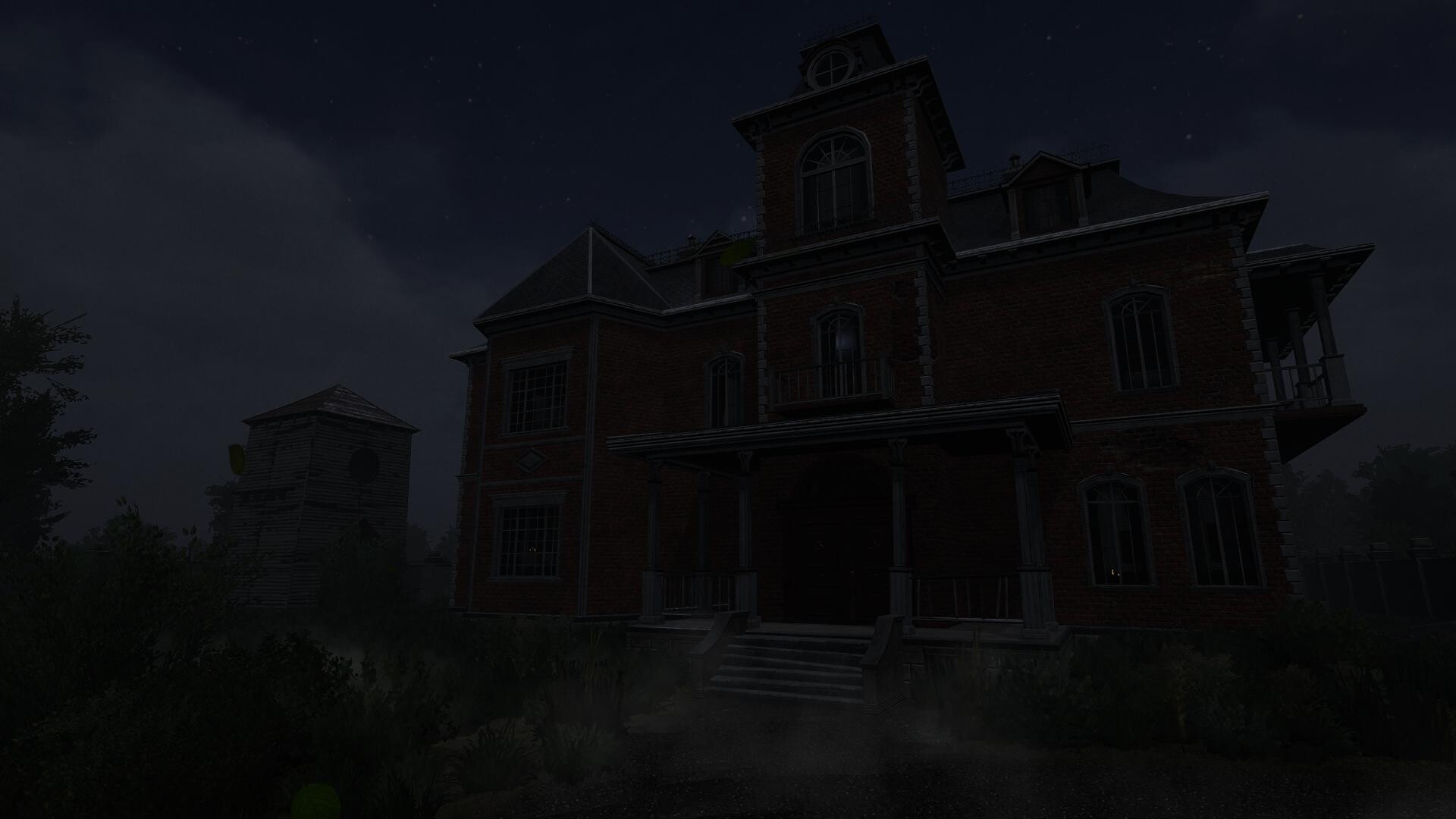
Trace of the Villa follows Jin, a protagonist who has been searching for his missing sister for years. A lead brings him to a remote, decaying mansion where manifests and hints suggest she may still be alive. The mansion reads like a carefully erased world: furnished rooms without photographs or names, locked doors hiding hastily secured secrets, and systems that only reveal themselves when Jin restores power. Solving puzzles and recovering encrypted documents and transfer records uncovers a pattern of arrivals without records and departures without witnesses.
When and where
Trace of the Villa released on Steam on 28 May, 2026. It is available on the Steam store page for PC: Steadyturtle Co., Ltd. is both developer and publisher. The Steam app ID is 3483660.
Why unexplained spaces and identity erasure matter here
Unexplained spaces — rooms staged as if their occupants vanished mid-routine — create a lasting tension because they force the player to supply narrative meaning. When identity markers like photographs and names are absent, every object becomes both evidence and a provocation. That lack of closure turns exploration into a psychological exercise: you are not only piecing together what happened, but reconstructing the human traces that the house has been made to forget. The result is sustained unease; the horror comes from the implication that something systematic erased people’s histories, not merely from an external monster popping up.

How you progress — the investigative loop
Progress in Trace of the Villa centers on environmental reading and systems restoration. Jin recovers manifests, restores power, and unlocks safes and hidden compartments; solved puzzles reveal more fragments of encrypted documents and suspicious transfer records. Each recovered item either fills in a gap of the timeline or creates new questions, so the loop is investigative rather than combat-driven: search, restore, decrypt, and follow the paper trail. That structure rewards patience and attention to detail more than reflexes.
Compact facts — Trace of the Villa
| Title | Trace of the Villa |
|---|---|
| Release date | 28 May, 2026 |
| Developer / Publisher | Steadyturtle Co., Ltd. |
| Steam AppID | 3483660 |
| Genres | Action, Adventure, Indie |
| Categories | Single-player; Color Alternatives; Custom Volume Controls; Playable without Timed Input; Subtitle Options; Family Sharing |
| Short premise | Jin searches a remote, decaying mansion for clues that his missing sister may still be alive. |
How Trace of the Villa differs from nearby psychological horror / mystery titles
| Title | Release | Primary focus | Atmosphere & pacing | Puzzle / exploration |
|---|---|---|---|---|
| Trace of the Villa | 28 May, 2026 | Clue-driven exploration, investigative puzzles, narrative puzzle design | Slow-burn, quiet tension centered on erased identities | Environmental puzzles, systems restoration, decrypting documents |
| Amnesia: The Dark Descent | 8 Sep, 2010 | Immersion and survival in a first-person nightmare | Deeply atmospheric, claustrophobic pacing | Exploration with sanity mechanics and emergent hazard avoidance |
| SOMA | 21 Sep, 2015 | Sci‑fi horror that questions existence | Thoughtful, melancholic, and gradually unsettling | Exploration and narrative puzzles framed by philosophical themes |
| Layers of Fear (2016) | 15 Feb, 2016 | First-person psychological storytelling in a shifting mansion | Unpredictable, surreal pacing with reality-bending set pieces | Environment changes drive story and puzzle-like sequences |
| Poppy Playtime | 12 Oct, 2021 | Horror-puzzle adventure with scripted encounters | Higher tempo, more overt antagonistic threats | Puzzle gadget use and escape sequences mixed with set-pieces |
Player scenarios — who will get the most from this experience
- Quiet-suspense seekers: You prefer dread that accumulates from missing information and staged rooms; slower pacing and inference are a feature, not a bug.
- Investigative players: You enjoy tracing paper trails, decrypting fragments, and reconstructing timelines from objects and manifests.
- Atmospheric explorers: You prioritize environmental storytelling and are comfortable with fewer explicit answers up front.
- Players looking for frequent combat or jump-scare rushes: This is likely not your principal match; the Steam listing emphasizes exploration and puzzle-driven progression.
YouTube discovery
If you want to see trailer footage or gameplay snippets, search YouTube for Trace of the Villa trailers and gameplay — the curated discovery path: Trace of the Villa trailer & gameplay (YouTube search). This will surface official and player-uploaded videos; the Steam data provided recommends using YouTube as a discovery tool rather than assuming any single video is the official trailer.
View Trace of the Villa on Steam / Wishlist
Referenced titles and trademarks belong to their respective owners. Comparisons in this article are editorial discovery only and are based on genre, atmosphere, puzzle focus, exploration style, story tone, and pacing as presented in publicly available Steam descriptions and metadata.
Leave a Reply