Trace of the Villa: why quiet tension and the erasure of identity matter more than cheap shocks
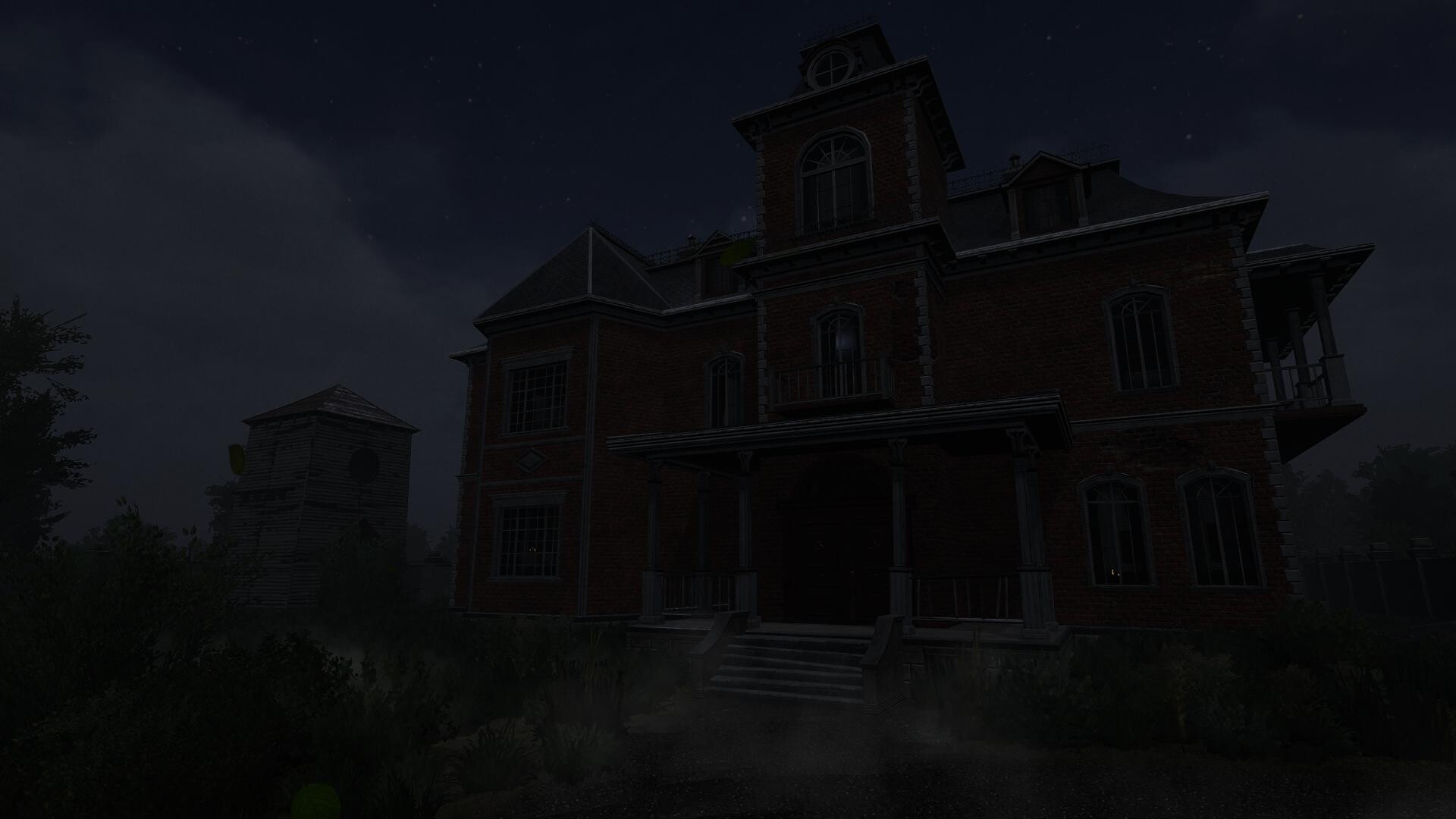
Trace of the Villa positions you inside a decaying mansion where the silence is not empty but deliberate — rooms look lived-in, but names and photographs are gone, as if identities were scrubbed away. This is atmospheric mystery adventure built on environmental storytelling: slow, clue-driven exploration that rewards patience and attention to small absences as much as obvious threats.

Quick facts
| Title | Trace of the Villa |
|---|---|
| Developer / Publisher | Steadyturtle Co., Ltd. |
| Release date | 28 May, 2026 |
| Steam appid | 3483660 |
| Genres | Action, Adventure, Indie |
| Categories | Single-player; Color Alternatives; Custom Volume Controls; Playable without Timed Input; Subtitle Options; Family Sharing |
Who this is for
- Players who prefer slow-burn psychological investigation over jump-scare-heavy horror.
- Fans of environmental storytelling and mansion mysteries where the absence of evidence becomes a clue.
- People who enjoy puzzle-led progression — restoring systems, decrypting fragments, and following manifests rather than running-and-gunning.
What the game is
According to the official Steam description, you play Jin, a man who has spent years searching for his missing sister and follows a lead to a remote, decaying mansion. Inside, the house “feels less abandoned than erased”: furnishings remain, doors are locked, personal belongings sit undisturbed — but photographs and names are missing. When Jin restores power to the estate, secured systems and hidden compartments begin to reveal encrypted documents, suspicious transfer records, and falsified identities. The gameplay is presented as investigation and puzzle-solving against a backdrop of erased histories and clipped timelines.
When and where
Trace of the Villa is available on Steam for PC; it released on 28 May, 2026. The Steam appid is 3483660 and the developer and publisher listed on the store page is Steadyturtle Co., Ltd.
Why quiet tension and uncertainty matter here
Psychological horror that leans on ambiguity trusts players to feel uneasy about what they don’t know. Trace of the Villa uses missing photographs, falsified transfer records, and empty manifests as narrative devices: those absences become the engine of dread. Instead of a monster revealed at the end of a corridor, the mansion offers bureaucratic ghosts — paperwork, systems that wake only when power returns, and identities that have been removed. That kind of unsettlement lingers after you close the game because it asks you to imagine the logistics behind the crime, not just the moment of violence.
How you progress: reading clues and rebuilding the story
The official store text describes restoration of systems and the unlocking of hidden compartments as core beats: restoring power makes secured systems come back online; safes and encrypted documents supply fragments of a larger operation. Progress is therefore a mixture of environmental exploration and piecing together evidence — manifests, transfer records, and fragments of identity. Expect slow, careful investigation: every recovered item narrows the trail rather than immediately resolving it.
Player scenarios — should you wishlist this?
- If you love methodical investigation: Wishlist it. The game rewards reconstruction of timelines via documents and system restores.
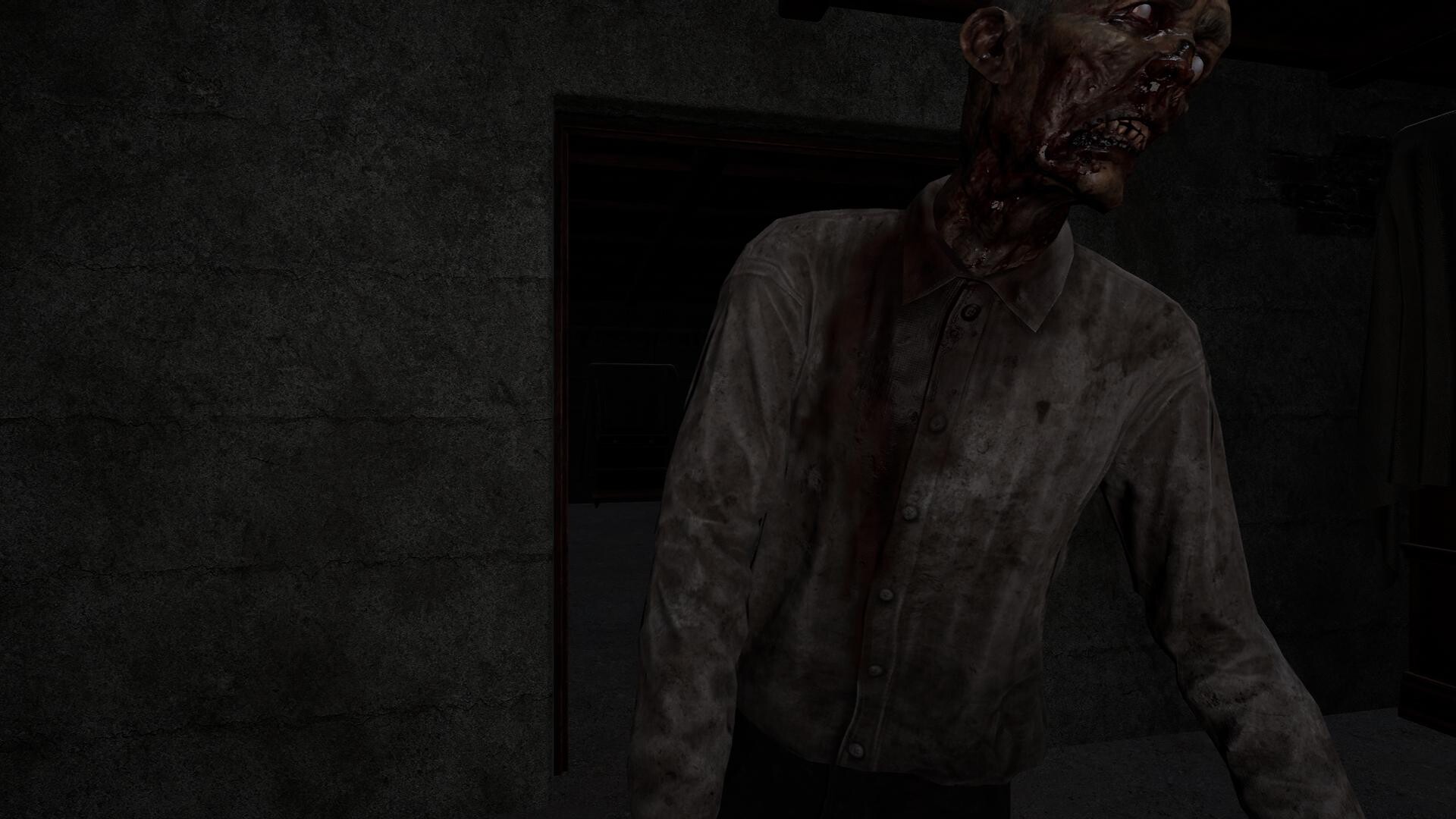
- If you prefer action-first horror: Lower priority. The marketing emphasizes environmental suspense and clue-driven exploration rather than non-stop combat or reflex challenges.
- If you care about narrative tone over explicit answers: It fits. The official text emphasizes erasure and missing identities — expect a story that reveals structure and motive in fragments.
- If accessibility and comfort options matter: The Steam page lists Subtitle Options, Color Alternatives, and Custom Volume Controls among its categories.
How Trace of the Villa compares (editorial discovery)
Below is a concise editorial comparison to nearby titles on Steam. This table focuses on atmosphere, puzzle emphasis, exploration style, story tone, pacing, and the player fit — lawful editorial criteria based on each game’s public descriptions.
| Title | Release | Core atmosphere | Puzzle / investigation focus | Exploration style | Story tone | Pacing / player fit |
|---|---|---|---|---|---|---|
| Trace of the Villa | 28 May, 2026 | Decaying mansion; erased identities; bureaucratic dread | High — restores systems, decrypts documents, follows manifests | Clue-driven, confined estate exploration | Missing persons, falsified identities, slow unspooling | Slow-burn; players who like methodical reconstruction |
| Amnesia: The Dark Descent | 8 Sep, 2010 | Immersive, gothic first-person terror | Investigation and survival with environmental puzzles | First-person, continuous immersion through locations | Personal descent and dread | Slow to tense; strong emphasis on immersion and vulnerability |
| SOMA | 21 Sep, 2015 | Sci-fi undersea existential dread | Investigation with narrative puzzles and logs | Structured exploration of complex facilities | Philosophical, identity-questioning | Slow-burn with existential themes; narrative-focused |
| Layers of Fear (2016) | 15 Feb, 2016Steam page
View Trace of the Villa on Steam YouTube discoveryFor trailer and gameplay discovery, use YouTube search rather than relying on unverified embeds: Find Trace of the Villa trailer and gameplay searches on YouTube. CommentsMore posts |
Leave a Reply