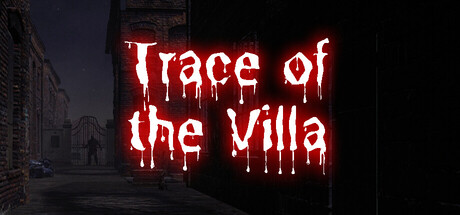
Trace of the Villa: why slow, quiet unease beats jump-scare noise
Trace of the Villa trades loud shocks for a sustained, uncanny silence—the kind of narrative pressure that grows from empty rooms and missing names. In a genre crowded with startling moments, this Steam release makes the case that uncertainty, erasure, and environmental clues create a deeper psychological weight.

Quick facts
| Title | Trace of the Villa |
|---|---|
| Release date | 28 May, 2026 |
| Developer / Publisher | Steadyturtle Co., Ltd. |
| Steam appid | 3483660 |
| Genres | Action, Adventure, Indie |
| Categories | Single-player; Color Alternatives; Custom Volume Controls; Playable without Timed Input; Subtitle Options; Family Sharing |
| Store page | Trace of the Villa on Steam |
Who is this for?
This is for players who prefer slow-burn suspense and environmental storytelling over constant adrenaline spikes. If you enjoy atmospheric mystery adventure, clue-driven exploration, and narrative puzzle design—especially in a mansion mystery setting—Trace of the Villa is aimed at you. It will appeal to people who read tension in how a scene is arranged (furniture frozen mid-use, missing photographs, locked doors) rather than in scripted jump scares.
What the game is (and what it avoids)
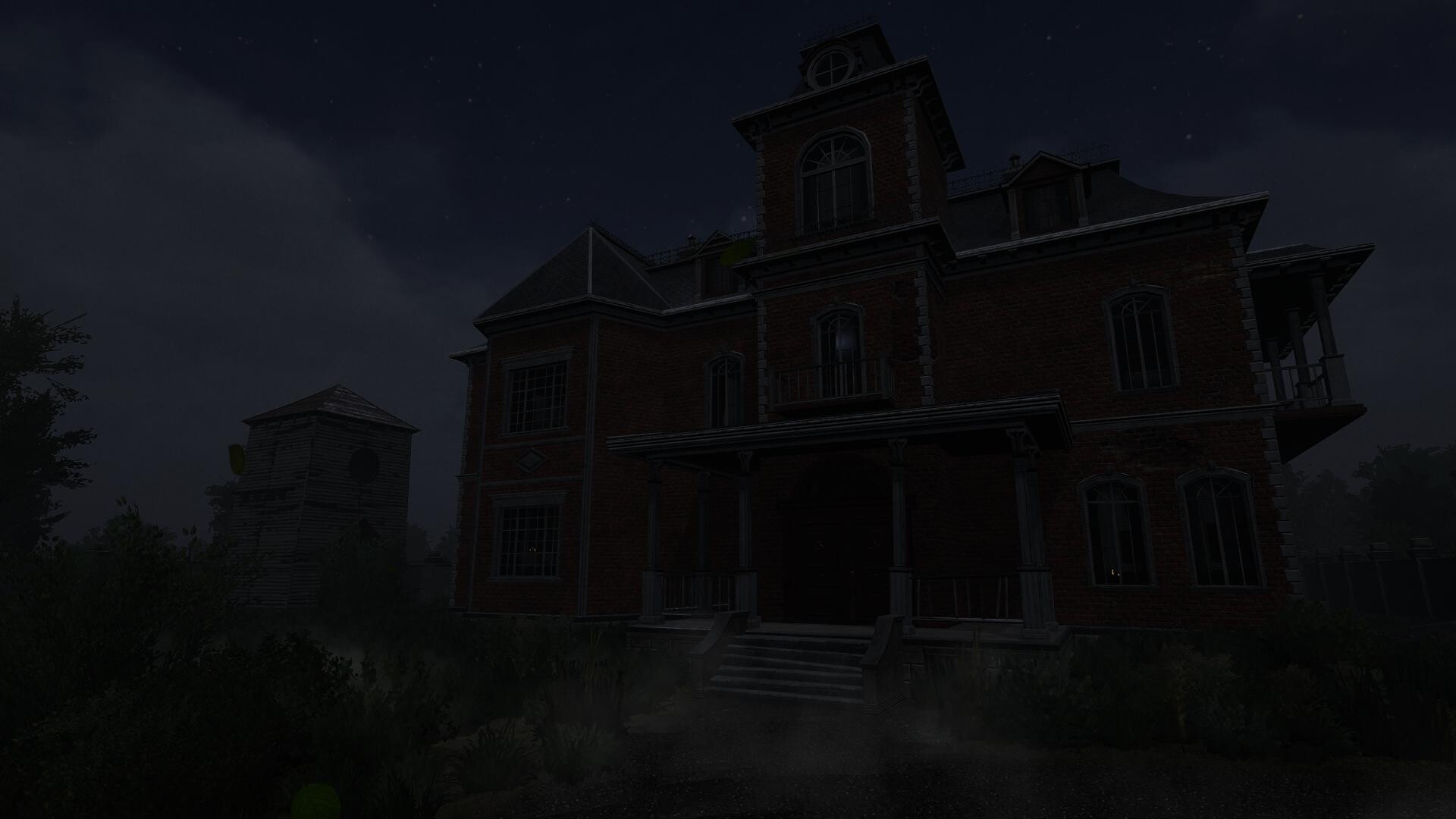
Officially, Trace of the Villa follows Jin, a protagonist who has spent years searching for his missing sister. A lead takes him to a remote, decaying mansion where manifests and hints suggest she may still be alive. The house feels less abandoned than erased: rooms appear as if occupants vanished mid-routine, personal items remain but names and photographs are gone, and locked doors hide hastily secured secrets. When Jin restores power, secured systems come back online, hidden compartments unlock, and safes yield fragments of encrypted documents and suspicious transfer records. The story leans into investigative exploration inside an estate that was part of a larger, concealed operation.

When and where
Trace of the Villa released on Steam on 28 May, 2026. It’s presented as a PC Steam indie title from Steadyturtle Co., Ltd., listed under Action, Adventure, and Indie on its Steam page and categorized as single-player with accessibility options such as subtitle options and custom volume controls.
Why quiet tension and identity erasure matter
Unexplained spaces and the removal of identifying artifacts do two things to a player: they force attention to environment, and they replace tidy answers with a widening set of questions. In Trace of the Villa the absence of names and photographs converts ordinary objects into clues and silences into narrative texture. That kind of suspense rewards players who are patient and attentive—who piece together timelines from manifests and encrypted documents, and who read the deliberate gaps as intentional storytelling rather than omissions.
How you progress: clues, power, and incremental reveal
Progression is grounded in investigation. Jin recovers manifests and hints, restores power to estate systems, and uses unlocked systems to expose hidden compartments and encrypted records. Each solved puzzle or restored system yields fragments—financial trails that lead nowhere, falsified identities, and patterns of arrivals and departures without records. The game foregrounds the act of reading spaces and documents as core mechanics: solving one small practical or narrative puzzle tends to open another, revealing layered secrecy rather than delivering a single, upfront reveal.
Player scenarios: who should wishlist this
- Players who prize slow-burn, atmospheric mystery adventure—want rooms to do the heavy lifting of storytelling.
- Fans of narrative puzzle design who enjoy reading manifests, encrypted documents, and environmental clues as primary sources of story.
- Those who prefer a single-player investigative experience where restoration (power, systems, safes) is a primary mechanical loop.
- Players uncomfortable with frequent timed inputs or twitch reflex checks: the Steam categories note “Playable without Timed Input”.
How it compares to nearby titles
The comparison below is editorial discovery—focused on genre, atmosphere, puzzle focus, exploration style, story tone, and likely player fit. It does not claim superiority or official relation.
| Title | Release year | Primary focus | Atmosphere / tone | Puzzle / exploration style | Player fit |
|---|---|---|---|---|---|
| Amnesia: The Dark Descent | 2010 | Immersion, survival horror | Claustrophobic, dread-driven | Environmental puzzles + survival mechanics | Players seeking visceral fear and immersion |
| SOMA | 2015 | Sci-fi horror, existential questions | Oppressive, uncanny | Exploration and narrative puzzles, with sci-fi systems | Those who want story that challenges identity and reality |
| Layers of Fear (2016) | 2016 | Psychological horror, storytelling | Shifting, surreal Victorian mansion | Story-driven environmental puzzles | Players who prioritize atmosphere and narrative fragmentation |
| Poppy Playtime | 2021 | Horror/puzzle adventure | Playful yet unsettling | Puzzle gadgets and factory exploration | Players who enjoy puzzle tools with horror elements |
YouTube discovery
If you want to see trailers or gameplay clips, search for Trace of the Villa on YouTube: YouTube search: Trace of the Villa trailer & gameplay. This search link is provided as a discovery path; specific videos should be verified as official where relevant.
Final assessment: how to decide
Pick Trace of the Villa if you find atmosphere in omission—if empty frames, missing photos, and falsified paperwork intrigue you more than loud set-pieces. If you prefer constant pacing, frequent combat, or games built around repeated jump scares, this title likely leans too heavily on quiet suspense. For players who want an investigative, story-rich adventure with slow-burn psychological friction and environmental puzzles, wishlist it and watch for player-first impressions to see how its reveal structure lands.
Steam page: https://store.steampowered.com/app/3483660/Trace_of_the_Villa/
Referenced titles and trademarks belong to their respective owners. Comparisons above are editorial discovery only and not endorsements.
Leave a Reply