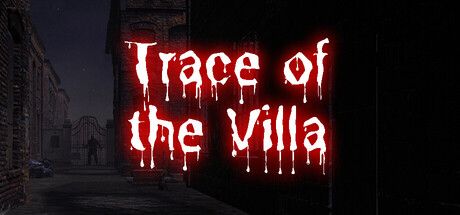
Trace of the Villa — why quiet tension and the erasure of identity matter more than cheap shocks
Trace of the Villa is a slow-burn, clue-driven psychological mystery that trades jump scares for an atmosphere of erasure: a decaying mansion where rooms look lived-in but every trace of personal identity has been scrubbed away. Released on 28 May, 2026 by Steadyturtle Co., Ltd., it follows Jin as he follows leads about his missing sister through a property “cut off from the grid” that feels less abandoned than deliberately erased.

Who is this for?
Players who prefer psychological investigation and environmental storytelling over loud horror gatekeeping. If you enjoy spending time reading manifests, restoring power to rooms, and letting a house’s small absences — missing photos, sealed safes, falsified records — accumulate into dread, Trace of the Villa is aimed at you. The game is single-player and includes accessibility-friendly categories like Subtitle Options, Custom Volume Controls, and Playable without Timed Input.
What the game is
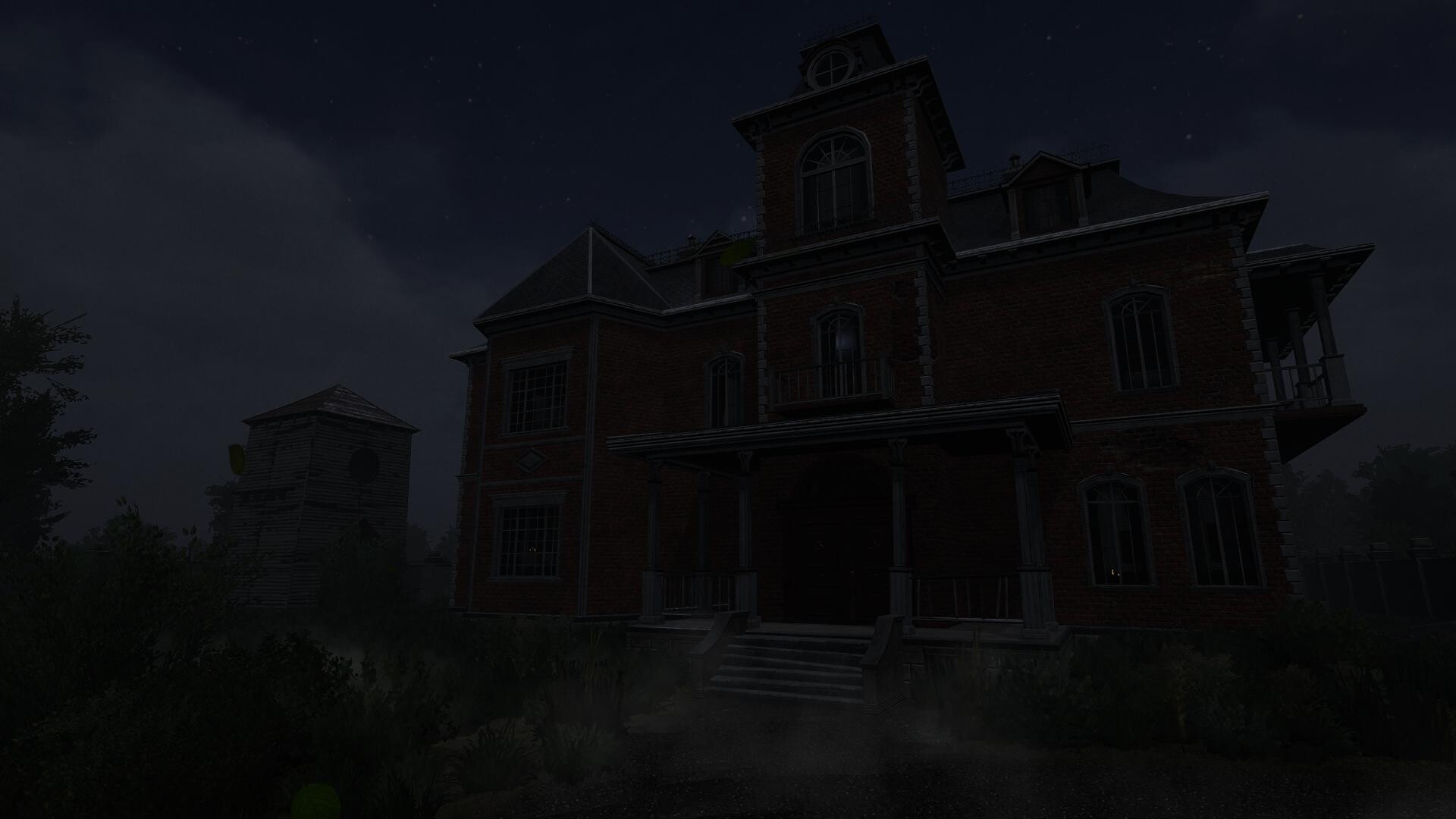
Trace of the Villa is an Action / Adventure / Indie title on Steam where you play as Jin, a sibling searching for his missing sister. The mansion setting and the investigation structure emphasize atmospheric suspense, encrypted documents and financial traces that don’t add up, and puzzles that unlock more questions than answers. The official Steam description stresses that rooms look “furnished as if their occupants vanished mid-routine,” and that identities appear removed — a theme the game uses as a narrative engine.
When and where
Trace of the Villa launched on 28 May, 2026 on Steam. The Steam page supplies the store assets and the Steam appid (3483660) and lists Steadyturtle Co., Ltd. as both developer and publisher.
Why the quiet tension and uncertainty matter
Psychological horror that leans on uncertainty works because it forces players to supply the missing pieces themselves. In Trace of the Villa, the conceptual absence of identity—no photographs, falsified records, encrypted manifests—becomes the mechanic. Solving a locked safe or restoring power doesn’t just advance the plot; it adds evidence to a theory that’s still incomplete. That slow accretion of partial answers keeps the tension sustained rather than punctuated; the dread arrives in the space where explanation should be, not in a sudden loud moment.
How you play and progress
Progression is clue-driven. Exploration, environmental reading, and puzzle solving — restoring systems, unlocking compartments, and decrypting fragments — reveal layers of a carefully concealed operation: transfer records, falsified identities and arrivals/departures with no witnesses. The player’s role is investigative: assemble a timeline from artifacts and logs rather than being led by scripted jump scares. This pacing rewards patient players who prefer narrative puzzle design and atmospheric discovery.
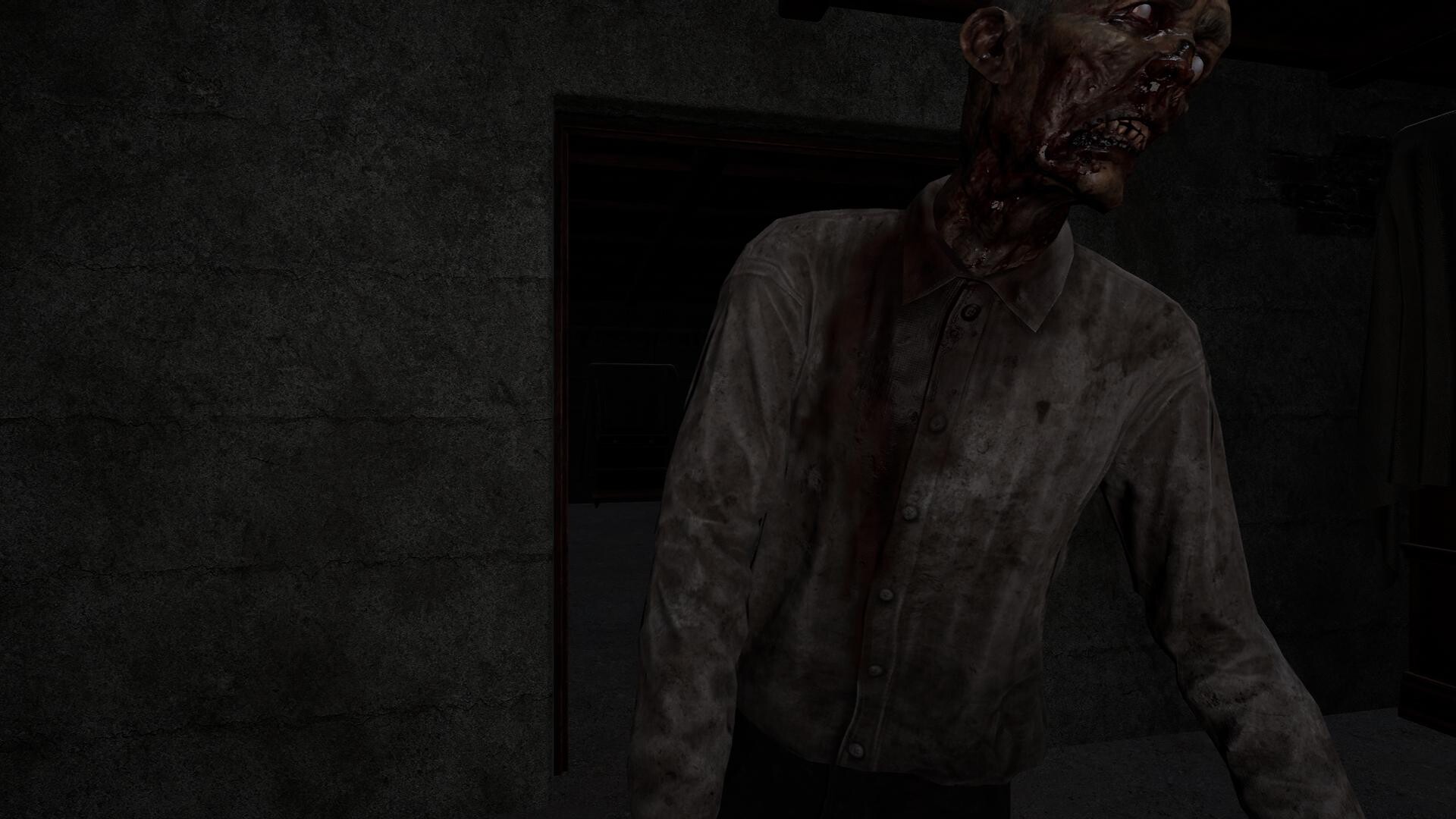
Visuals from Steam
Quick facts
| Title | Trace of the Villa |
|---|---|
| Release date | 28 May, 2026 |
| Developer / Publisher | Steadyturtle Co., Ltd. |
| Steam appid | 3483660 |
| Genres | Action, Adventure, Indie |
| Categories | Single-player; Color Alternatives; Custom Volume Controls; Playable without Timed Input; Subtitle Options; Family Sharing |
| Premise | Jin investigates a decaying mansion for clues about his missing sister; identities and records appear erased. |
How it compares — editorial table
| Title | Release | Genre / Tone | Puzzle & Exploration | Pacing |
|---|---|---|---|---|
| Amnesia: The Dark Descent | 8 Sep, 2010 | Action / Adventure — first-person survival horror; immersive dread | Heavy emphasis on hiding and environmental puzzles, physics-driven interactions | Slow-burn with acute moments of vulnerability |
| SOMA | 21 Sep, 2015 | Action / Adventure — sci‑fi horror with existential themes | Exploration and narrative puzzles tied to systems and logs | Measured, narrative-led with mounting philosophical unease |
| Layers of Fear (2016) | 15 Feb, 2016 | Adventure / Indie — first-person psychological horror, surreal mansion | Environmental storytelling and shifting spaces that reveal the protagonist’s mind | Stylized, often disorienting, paced around narrative beats |
| Poppy Playtime | 12 Oct, 2021 | Action / Adventure / Indie — toy-factory horror with puzzle gadgets | Puzzle-focused with tool-driven mechanics and set-piece encounters | Faster pacing with clearer mechanical progression |
Which kind of players should wishlist Trace of the Villa?
- Players who prefer environmental storytelling and assembling timelines from fragments rather than direct exposition.
- Fans of slow-burn atmospheric mystery over repeated jump scares; those who appreciate suspense built from absences and unanswered questions.
- Anyone who likes puzzle design that rewards reading documents, restoring utilities, and inspecting personal effects (and who values subtitle options and accessibility settings).
Player scenarios — pick your moments
- Evening session: you want a sustained, quiet tension for a 90–120 minute play session where every unlocked drawer changes the theory of what happened.
- Long-form investigative play: you plan multiple sessions to piece together timelines from manifests, transfer records, and encrypted fragments without being rushed by timed inputs.
- Accessibility-first sitting: you need subtitle support, the option to play without timed input, and custom volume controls for sensory comfort while preserving suspense.
YouTube discovery
Search for trailers and gameplay footage here (use as a discovery path; not an endorsement of any single video): https://www.youtube.com/results?search_query=Trace+of+the+Villa+trailer+gameplay
View Trace of the Villa on Steam
Final notes and disclaimer
Trace of the Villa builds tension by denying tidy answers and erasing conventional identity markers; it rewards players who prefer patient reading and piecing together a narrative from absence. Developer and publisher: Steadyturtle Co., Ltd. Released on Steam on 28 May, 2026. Comparisons above are editorial and focus on genre, atmosphere, puzzle style, exploration, and pacing.
Referenced titles and trademarks belong to their respective owners. Comparisons are editorial discovery only and do not imply endorsement or sponsorship.
Leave a Reply