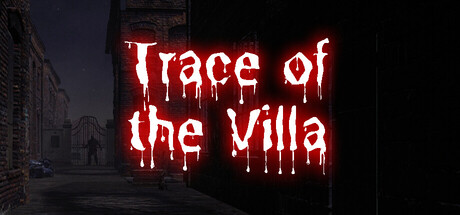
Trace of the Villa: why quiet tension and identity erasure beat jump scares
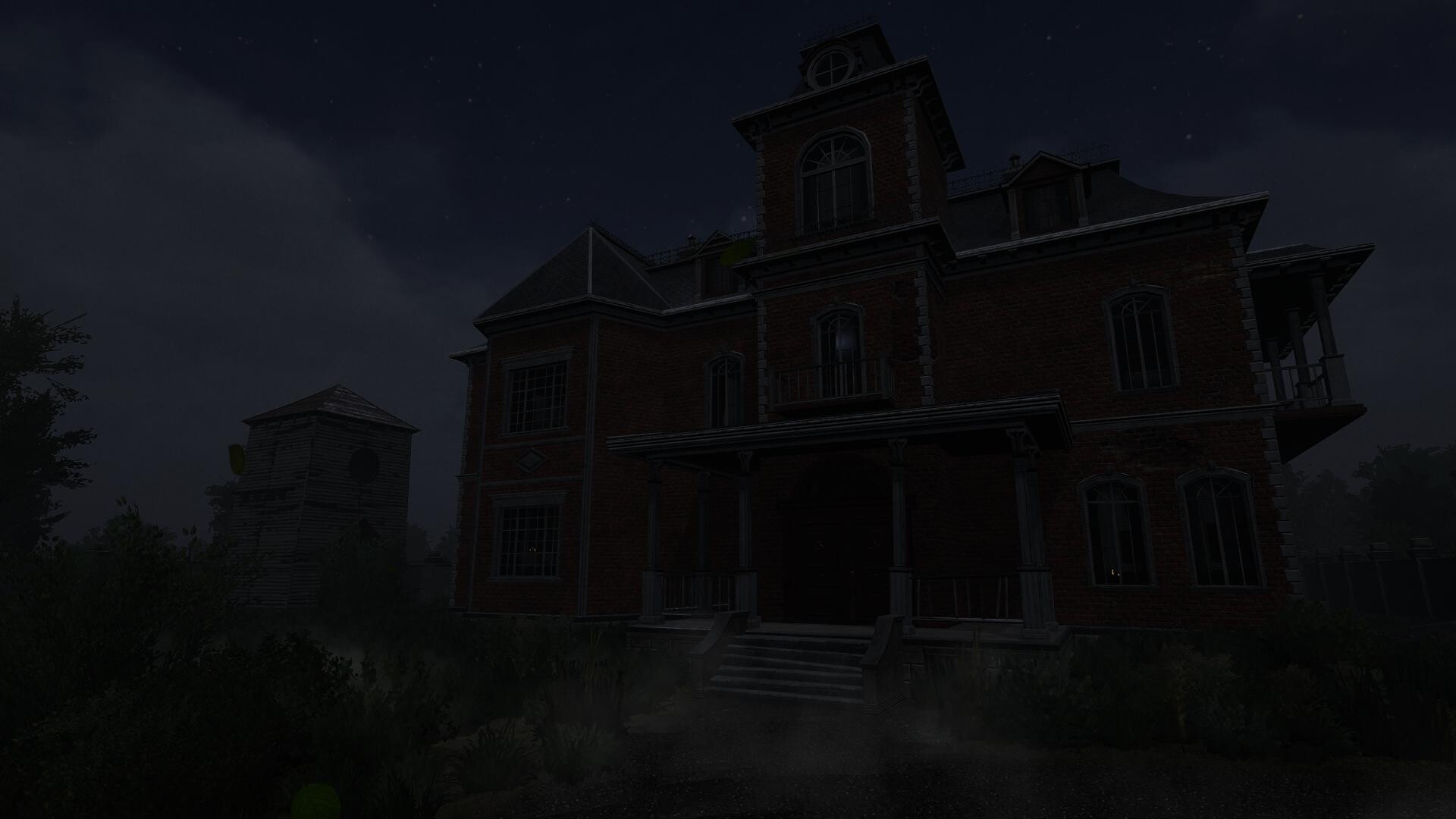
Trace of the Villa strips horror of spectacle and trades it for slow-burn, clue-driven dread: you play Jin, a searcher following hints to a decaying, deliberately forgotten mansion whose rooms feel “less abandoned than erased.” Released 28 May, 2026 by Steadyturtle Co., Ltd., the game builds suspense through missing histories, falsified identities, and the gradual restoration of what the estate is trying to hide.

The essentials: who, what, when, where
- Who: You play Jin, a protagonist searching for a missing sister; developer & publisher: Steadyturtle Co., Ltd.
- What: A story-rich, atmospheric mystery adventure with action and indie sensibilities that centers on environmental storytelling, encrypted documents, locked rooms, and clue-driven exploration.
- When: Released on Steam 28 May, 2026.
- Where: Available on Steam for PC — see the official store page below.
Compact facts
| Title | Trace of the Villa |
|---|---|
| Steam AppID | 3483660 |
| Developer / Publisher | Steadyturtle Co., Ltd. |
| Release Date | 28 May, 2026 |
| Genres | Action, Adventure, Indie |
| Categories | Single-player; Color Alternatives; Custom Volume Controls; Playable without Timed Input; Subtitle Options; Family Sharing |
| Short premise | Jin’s search leads to a remote, decaying mansion where rooms look inhabited but identities — photographs, names, histories — have been removed, and restoring power reveals encrypted documents and suspicious transfers. |
Why quiet tension and uncertainty matter here
Trace of the Villa makes its case for uncertainty as the engine of dread. The mansion is described as having “no photographs, no names, no history — as if identities themselves were removed.” That absence becomes a design motif: rather than startling you with sudden monsters, the house unsettles by withholding context. Restoring power and opening safes don’t produce immediate payoff so much as deeper, colder questions: why were these identities erased, where do the financial trails lead, and who controlled the people who passed through?
This kind of psychological horror leans on atmosphere, environmental storytelling, and puzzle progression. When threats are implied rather than shown, each unlocked door and fragment of an encrypted file increases tension because it also increases the number of unresolved implications. For players who prefer ambiguity and interpretation over explicit answers, uncertain spaces are far more provocative than a headline-grabbing jump scare.
How you interact with the mystery — gameplay and progression
The official description emphasizes investigation through restoration and recovery: you restore power to the estate, hidden compartments unlock, safes yield fragments, and encrypted documents point at a “carefully concealed operation.” Progress is read by following traces — manifests, transfer records, falsified identities — and solving puzzles to expose the next piece of the timeline. That positions Trace of the Villa as a clue-driven exploration game where environmental detail and document fragments are the primary mechanics for moving the story forward.
Who should wishlist Trace of the Villa?
- Players who prefer slow-burn suspense and atmospheric mystery over frequent jump scares.
- Fans of mansion-focused narrative puzzles and environmental storytelling, where the setting itself reveals plot beats.
- Those who like investigative pacing: restoring systems, decrypting documents, and tracing financial or identity anomalies.
- Players who appreciate accessibility options (color alternatives, custom volume, subtitle options) and single-player, controller-optional experiences.
Player scenarios — concrete decisions
Situation A: You want tension without constant shocks
If you feel drained by jump-scare loops and prefer to sit with unease, Trace of the Villa’s atmosphere-first approach is a likely match: the game builds dread from emptiness and missing context, not from repeated startling beats.
Situation B: You enjoy puzzle-led narrative progress
Players who like to piece together story beats from documents and subtle cues will find the mansion’s encrypted files and manifests rewarding. Expect investigation to unlock new rooms and new questions rather than immediate resolution.
Situation C: You want clear accessibility and steady pacing
The available categories — subtitle options, custom volume controls, playability without timed input, color alternatives — indicate a design that considers read-and-think playstyles rather than reflex-only encounters.
How Trace of the Villa compares to nearby titles
| Game | Release | Genre / Tone | Puzzle focus | Exploration style | Pacing / Player fit |
|---|---|---|---|---|---|
| Trace of the Villa | 28 May, 2026 | Action / Adventure / Indie — atmospheric mansion mystery, identity erasure theme | Clue-driven: manifests, encrypted documents, hidden compartments | Room-by-room investigation of a decaying estate; restoration of systems reveals new areas | Slow-burn; suits players who prefer interpretation and unfolding evidence |
| Amnesia: The Dark Descent | 8 Sep, 2010 | Action / Adventure / Indie — immersion and survival horror | Puzzles with survival tension; inventory and environmental problem solving | First-person exploration in labyrinthine environments | High immersion and dread; players seeking sustained terror and atmosphere |
| SOMA | 21 Sep, 2015 | Action / Adventure / Indie — sci-fi psychological horror | Puzzle and narrative interplay; philosophical questions drive exploration | Underwater facility exploration with story-focused encounters | Slow, contemplative pacing that questions identity—appeals to story-first players |
| Layers of Fear (2016) | 15 Feb, 2016 | Adventure / Indie — first-person psychological horror centered on art and madness | Environmental puzzles tied to narrative and shifting rooms | Psychological, often non-linear mansion exploration | Atmospheric, variable pacing; focused on story and perception |
| Poppy Playtime | 12 Oct, 2021 | Action / Adventure / Indie — horror-puzzle in an abandoned factory | Puzzle tools (e.g., GrabPack) used to manipulate environment and circuits | Factory exploration with hazard-avoidance and puzzle rooms | More overt toy-horror and mechanical puzzles; higher emphasis on tooling |
Editorial note: these comparisons are focused on genre, atmosphere, puzzle priorities, exploration style, story tone and pacing to help you decide which tone fits your tastes.
 View Trace of the Villa on Steam
YouTube discovery
For trailer and gameplay discovery, use YouTube search rather than relying on unverified embeds: Find Trace of the Villa trailer and gameplay searches on YouTube.
Leave a Reply