
Trace of the Villa: why quiet tension and the erasure of identity matter more than jump scares
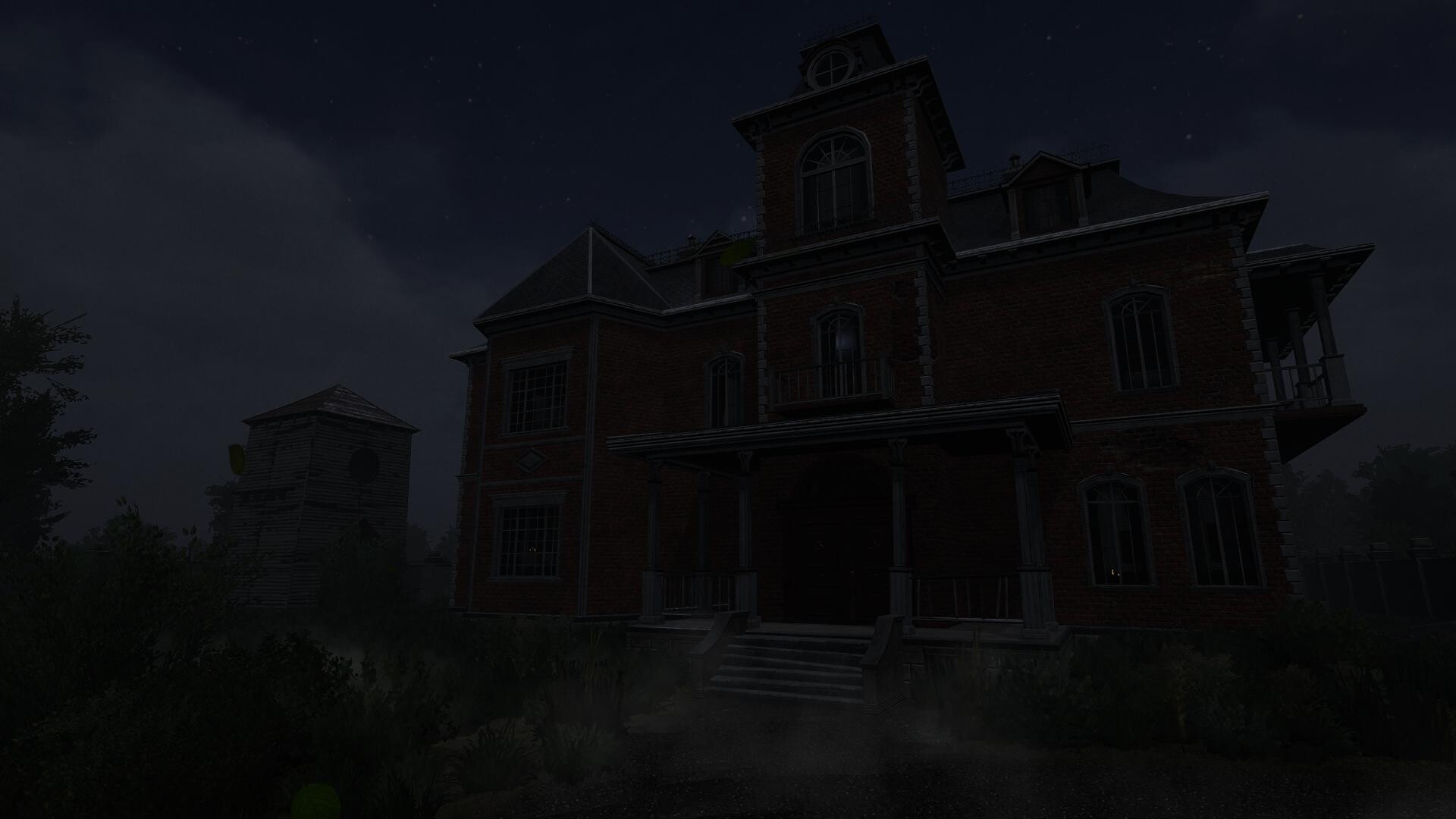
Trace of the Villa places you in a decaying mansion where the silence is engineered to unsettle: rooms furnished as if occupants vanished, missing names and photos, falsified identities and encrypted records revealed only as you restore the estate’s systems. It’s a slow-burn investigation built around environmental storytelling and puzzle-driven discovery rather than cheap shocks.

Quick facts
| Title | Trace of the Villa |
|---|---|
| Developer / Publisher | Steadyturtle Co., Ltd. |
| Release date | 28 May, 2026 |
| Steam appid | 3483660 |
| Genres | Action, Adventure, Indie |
| Categories / accessibility | Single-player; Color Alternatives; Custom Volume Controls; Playable without Timed Input; Subtitle Options; Family Sharing |
| Short premise | Jin searches a remote, decaying mansion for his missing sister, finding manifests, encrypted documents, and evidence that identities were erased. |
Who should wishlist this on Steam?
- Players who prefer atmosphere, suspense and slow-burn psychological tension over frequent jump scares.
- Fans of mansion mysteries and environmental storytelling who enjoy reading clues, restoring systems, and assembling timelines.
- Those who appreciate accessibility options (subtitles, color alternatives, custom volume) and puzzle play that doesn’t rely on timed reflexes.
What the game is — more than a haunted house
Trace of the Villa centers on Jin, a protagonist whose years-long search for a missing sister leads him to a property deliberately cut off from the grid. The mansion’s spaces feel “erased”: personal effects remain but names, photographs and histories are conspicuously absent. The game stages tension around absence and uncertainty — power restoration, safes and encrypted documents reveal a carefully concealed operation involving falsified identities and unexplained arrivals and departures.

When and where — Steam details
Trace of the Villa is available on Steam; the game released on 28 May, 2026. Steam store link (useful for wishlisting and system details): Trace of the Villa on Steam.
Why its themes matter: unexplained spaces and identity erasure
Psychological horror that leans on the unknown asks us to participate: you supply the connective tissue between a kitchen left mid-breakfast and a ledger of suspicious transfers. Trace of the Villa frames tension through absence — missing photographs, erased names, transfers that lead nowhere — turning familiar domestic details into evidence. That sustained uncertainty often registers as far creepier than sudden shocks because it forces the player to interpret anomalies over time.
How you progress — clue-driven exploration and systems restoration
The official description makes the game’s loop explicit: restoring power brings systems back online, hidden compartments unlock, safes yield fragments of encrypted documents and transfer records. Progress is investigative and puzzle-oriented — uncover a manifest, decode a document, follow a financial or identity trail — rather than purely combat-driven. That design rewards patient players who prefer to assemble a narrative from environmental cues and recovered data.
Player scenarios — who will get the most out of it
- Slow-burn detectives: If you enjoy assembling timelines and reading textures, room layouts, and documents for clues, Trace of the Villa is tailored to that attention.
- Atmospheric explorers: Players who prioritize tone and ambience over action sequences will appreciate the mansion’s staged silence and the way tension accumulates as systems are restored.
- Accessibility-minded players: The presence of subtitle options, color alternatives, and no-timed-input modes makes it approachable for readers and thoughtful puzzle solvers.
How it sits near other atmospheric horror / mystery games
Below is a concise editorial comparison that focuses on tone, exploration, and puzzle emphasis rather than value claims.
| Title | Release | Core focus | Atmosphere / tone | Puzzle vs. survival | Exploration style |
|---|---|---|---|---|---|
| Trace of the Villa | 2026 | Investigation, environmental storytelling | Slow-burn, erased identities, domestic unease | Puzzle-driven investigation | Clue-driven rooms, restoring systems to progress |
| Amnesia: The Dark Descent | 2010 | Immersion, survival horror | Claustrophobic, oppressive dread | Survival + exploration | First-person exploration with a gameplay emphasis on helplessness |
| SOMA | 2015 | Sci‑fi existential horror, narrative | Philosophical, unnerving | Story and atmosphere over combat | Level-based exploration with narrative beats |
| Layers of Fear (2016) | 2016 | Narrative-driven psychological horror | Surreal, shifting mansion interiors | Atmosphere and storytelling | Room-based, reality-bending exploration |
| Poppy Playtime | 2021 | Horror-puzzle adventure with set-piece encounters | Playful turned sinister | Puzzle + tension, more set-piece moments | Factory puzzle rooms and mechanical interactions |
YouTube discovery
If you want to see trailer or gameplay clips before wishlisting, search YouTube here (search results may include trailers and player footage): Trace of the Villa trailer & gameplay on YouTube.
Steam CTA: Wishlist or view Trace of the Villa on Steam
Referenced titles and trademarks belong to their respective owners; comparisons are editorial discovery only.
Leave a Reply