
Trace of the Villa: A story-first mansion mystery that asks you to read absence
Steadyturtle Co., Ltd.’s Trace of the Villa centers a slow-burning, clue-driven investigation around a single, painful premise: Jin is following a trail that might lead to his missing sister. The game leans on environmental storytelling and fragmentary evidence—manifests, encrypted documents, power systems—to let players assemble meaning from what the house has tried to erase.

Who this is for
If you prefer story-first mystery design—where the narrative is pieced together through exploration, documents, and systems rather than long cutscenes—this is the kind of Steam indie likely to suit you. Wishlist Trace of the Villa if you enjoy atmospheric mystery adventure, slow-burn suspense, and detective work that’s as much about reading silences and missing records as it is about solving locks or puzzles.
What the game is
Trace of the Villa is an action-adventure indie from Steadyturtle Co., Ltd. Its official short description frames the setup: “Jin has spent years searching for his missing sister, pursuing leads that took him to a remote, decaying mansion where he recovered manifests and hints that indicate his sister may still be alive, somewhere at the end of the trail he is about to follow.”
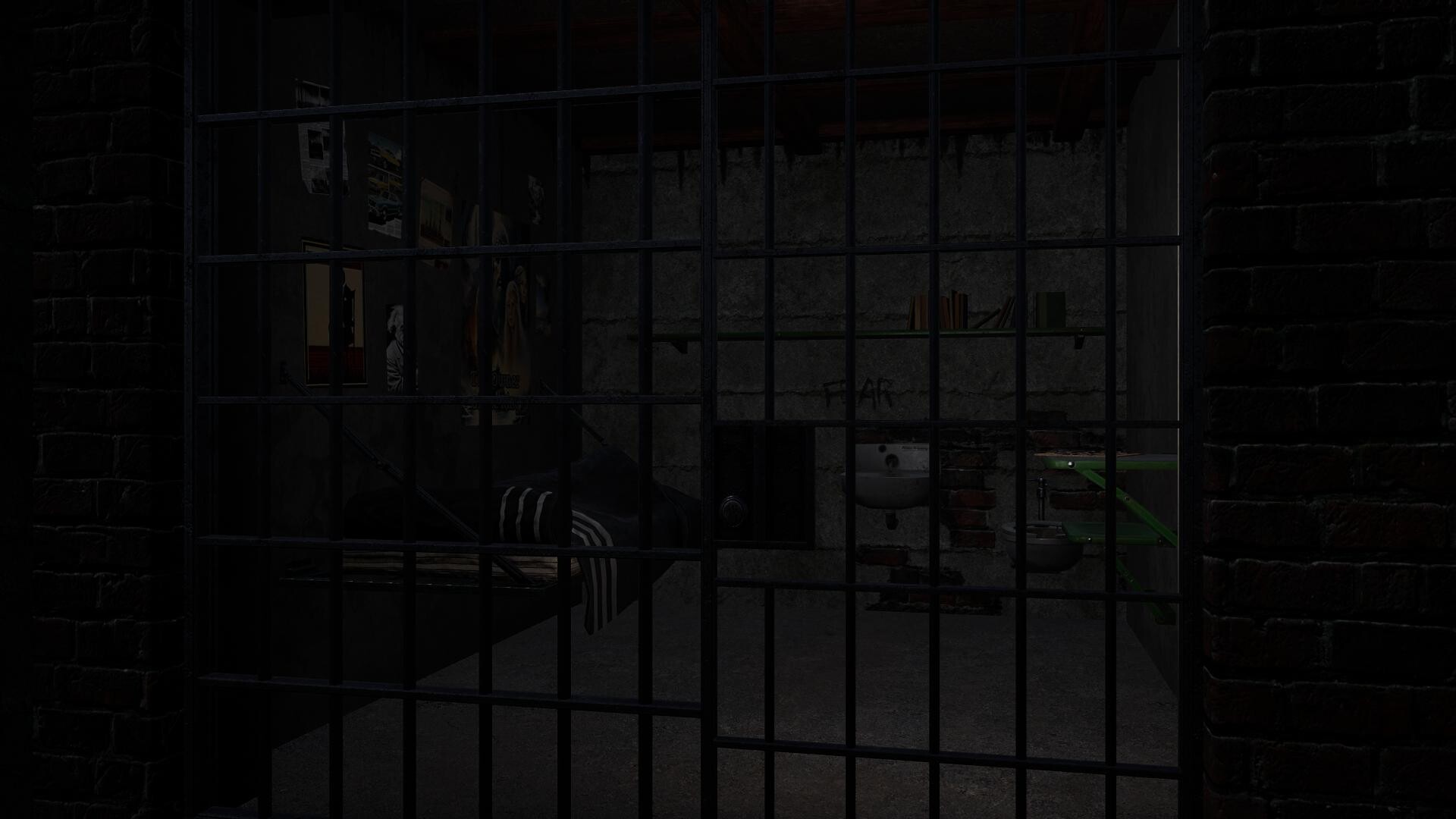
The longer Steam description expands the tone: the mansion feels “less abandoned than erased”—furnished rooms, locked doors, personal items without names or photographs—until restoring power begins to reveal secured systems, hidden compartments, safes, and fragments of encrypted documents. The traces left behind point to an organized, deliberate erasure and a larger operation that Jin must map out.
When and where
Trace of the Villa launched on 28 May, 2026 and is available on Steam for PC. It is developed and published by Steadyturtle Co., Ltd.

Why the theme matters
Trace of the Villa’s central conceit—identities erased, arrivals without records, departures without witnesses—shifts the mystery from “who did it” to “what does the system hide?” That framing matters because it turns investigation into an act of interpretation. Your discoveries are not just plot beats; they are evidence of an institutional process that has been methodically concealed. For players who appreciate narrative puzzles that raise moral and procedural questions, that is an engaging pivot: the house is both crime scene and archive.
How you read clues and progress
The Steam description gives concrete beats for progression: Jin restores power to the estate, which brings secured systems back online, unlocks hidden compartments, and allows safes to yield fragments of encrypted documents and suspicious transfer records. Puzzles and locked systems sit alongside financial and identity clues—manifests, falsified identities, and masked movements—so progression alternates between mechanical problem-solving and narrative interpretation.
Expect environmental storytelling (rooms set mid-routine, personal items left behind) to pair with small forensic puzzles: restoring systems, opening safes, decoding fragments, and assembling timelines from dispersed records. The game’s categories on Steam—Single-player, Color Alternatives, Custom Volume Controls, Playable without Timed Input, Subtitle Options—signal an accessibility-aware design that supports readers of subtle clues at their own pace.
Player scenarios — who will get the most from Trace of the Villa?
- The slow-burn investigator: You like to methodically comb through spaces, cataloging discrepancies and building a timeline. The game’s erased identities and fragmented documents reward patient attention.
- The narrative-first player: You play to feel the story and moral weight of discovery. The mansion’s staged absence and the implication of a larger operation will be the emotional hook.
- The accessibility-minded explorer: You need or prefer settings like subtitles, color alternatives, and no timed input. The Steam categories show the game supports those options.
- The puzzle-adjacent detective: While the game is pitched as action/adventure and includes puzzles tied to systems and safes, it seems to favor interpretive puzzles—assembling meaning from fragments—over fast reflex challenges.
Quick facts
| Title | Trace of the Villa |
|---|---|
| Developer | Steadyturtle Co., Ltd. |
| Publisher | Steadyturtle Co., Ltd. |
| Release date | 28 May, 2026 |
| Steam App ID | 3483660 |
| Genres | Action, Adventure, Indie |
| Notable categories | Single-player; Color Alternatives; Custom Volume Controls; Playable without Timed Input; Subtitle Options; Family Sharing |
How it compares — other story-led mysteries
If you use genre and tone to decide what to wishlist, this comparison can help place Trace of the Villa in a neighborhood of narrative exploration and puzzle-driven investigation.
| Title | Genre / Atmosphere | Puzzle & Exploration Style | Story Tone & Pacing |
|---|---|---|---|
| Inscryption | Adventure / Indie (card-based, psychological) | Deck-centric puzzles with meta layers and escape-room moments | Bleak, claustrophobic, reveals secrets via mechanics and artifacts |
| Outer Wilds | Action / Adventure (open-world mystery) | Exploratory puzzle loops across a solar system; discovery by observation and experiment | Patient, systemic, reveals cosmic-scale mystery through environment |
| The Forgotten City | Adventure / Indie / RPG (time-loop mystery) | Dialogue and environment puzzles with moral choices; timeline manipulation | Investigative, ethical, tightly focused on cause-and-effect |
| The Medium | Adventure (psychological horror) | Dual-reality exploration with environmental puzzles and story echoes | Haunting, reflective, blends atmosphere with narrative revelations |
| Journey | Adventure / Indie (explorative, emotive) | Minimalist exploration; emotional pacing over explicit puzzles | Quiet, poetic, focused on atmosphere and movement rather than clue-solving |
Editorially: Trace of the Villa looks closest to titles that prioritize environmental evidence (The Medium, The Forgotten City) rather than purely mechanical challenge. If you enjoy interpreting fragments and building narrative context from items and systems, it sits squarely in that lane.
YouTube discovery
Looking for trailers or gameplay footage? Use this YouTube search path to find trailers and player clips: Search Trace of the Villa trailers and gameplay on YouTube. (Search link provided for discovery; individual videos may be official or community uploads.)
Ready to see the Steam page? View Trace of the Villa on Steam.
Leave a Reply