
Trace of the Villa — a slow-burn mansion mystery where every clue is a question
Trace of the Villa casts you as Jin, a lone investigator whose years-long search for a missing sister leads him to a remote, decaying mansion. When power is restored, locked systems, safes and hidden compartments begin to yield fragments that suggest the estate was part of a larger, carefully concealed operation.

Who this is for
If you read games for story-first mystery design — environments that withhold names, dates and easy explanations and ask you to reconstruct meaning from artifacts — Trace of the Villa is aimed squarely at you. The Steam tags and categories list Action, Adventure and Indie with single-player focus and accessibility features like color alternatives, custom volume controls, subtitle options and “playable without timed input,” suggesting the emphasis is on reading the scene and the story rather than twitch mechanics.
What the game is (the facts)
| Title | Trace of the Villa |
|---|---|
| Steam AppID | 3483660 |
| Release date | 28 May, 2026 |
| Developer / Publisher | Steadyturtle Co., Ltd. |
| Genres | Action, Adventure, Indie |
| Steam categories | Single-player; Color Alternatives; Custom Volume Controls; Playable without Timed Input; Subtitle Options; Family Sharing |
| Official short premise | Jin has spent years searching for his missing sister, pursuing leads that took him to a remote, decaying mansion where he recovered manifests and hints that indicate his sister may still be alive, somewhere at the end of the trail he is about to follow. |
When and where to play
Trace of the Villa released on 28 May, 2026 and is available on Steam for PC. The Steam store page lists the game under Action / Adventure / Indie and highlights single-player play with a range of optional accessibility and comfort settings.
Why the theme matters
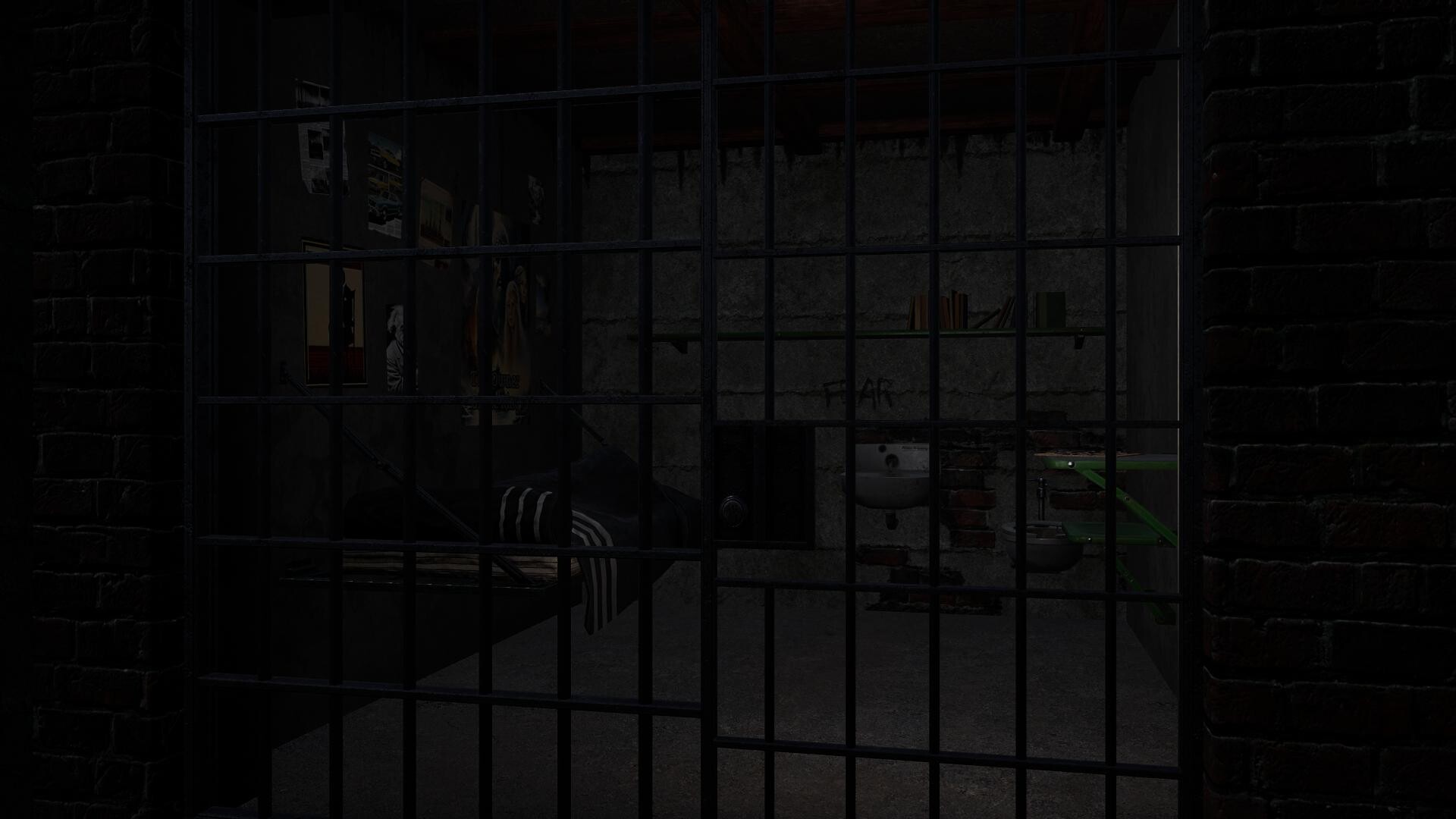
The mansion premise intentionally strips away easy context: rooms set as if occupants vanished mid-routine, missing photographs and names, falsified identities and financial trails that go nowhere. That removal of identity creates narrative curiosity — players aren’t just solving puzzles, they’re reconstructing the social reality that was erased. For players who value environmental storytelling and slow-burn suspense, the emotional hook is intimate: Jin’s search is personal, and the mansion’s artifacts act as clues not only to events but to the people affected by them.
How you uncover meaning — the design promise
The official Steam description describes a progression that’s more investigative than confrontational: when Jin restores power to the estate, secured systems come back online, hidden compartments unlock, and safes yield fragments of encrypted documents and suspicious transfer records. Each solved puzzle reveals another layer — falsified identities, transfers that lead nowhere, people who passed through under strict control. The core play loop, as pitched on Steam, centers on clue-driven exploration: restore systems, decrypt fragments, and piece together a timeline that explains why the house was deliberately forgotten.

Player scenarios — who should wishlist it
- You favor story-first mysteries: If you prize narrative puzzle design where the environment and recovered documents tell the plot, this will fit your appetite.
- You prefer deliberate pacing: The game’s premise and categories suggest a slower, investigative rhythm rather than high-action, twitch-focused encounters.
- You want accessibility and comfort options: Steam categories include color alternatives, subtitle options, and no timed input requirements, useful for players who like to read and examine at their own pace.
- You’re motivated by personal stakes: The protagonist Jin’s search for his sister makes the investigation personal — expect an emotional throughline tied to discovered evidence rather than sensational horror beats.
How it compares — quick editorial table
| Title | Core mystery focus | Exploration & pacing | Puzzle / narrative design |
|---|---|---|---|
| Trace of the Villa | Domestic erasure — missing identities, falsified records, and a personal search for a sister | Room-based mansion exploration; investigative, slow-burn pacing | Clue-driven: restore systems, unlock compartments, piece together encrypted fragments |
| Inscryption | Meta-card ritual mystery that hides deeper secrets in its mechanics | Focused, episodic chapters with escalating revelations | Puzzle-meets-escape-room and deckbuilding; secret layers revealed through play mechanics |
| Outer Wilds | Cosmic-system mystery about a trapped solar system and cyclical discovery | Open-world, exploratory and discovery-driven with persistent curiosity | Environmental puzzles and observation, narrative assembled through repeated exploration |
| Journey | Atmospheric discovery and emotional arc through ruins and landscape | Minimalist, tranquil pacing focused on mood and short-form exploration | Nonverbal environmental storytelling rather than document-based clues |
| The Forgotten City | Narrative-driven mystery with time-loop mechanics and moral choices | Paced around investigation and re-tracing steps across loops | Dialogue and consequence-driven puzzles that change with knowledge over time |
| The Medium | Psychological horror investigating echoes and dual-realm clues | Third-person exploration with tense, reveal-based pacing | Interleaves real-world and spirit-realm puzzles to reveal trauma and secrets |
The comparison above focuses on genre, atmosphere, puzzle focus, exploration style, and pacing — helping you decide if Trace of the Villa’s mansion-centric, clue-driven approach matches your taste.
YouTube discovery
If you want to see trailers or gameplay clips, use this YouTube search path (search results may include developer or fan content): Trace of the Villa trailer & gameplay on YouTube.
Referenced screenshots and header are the official assets published on the game’s Steam store page by Steadyturtle Co., Ltd.
Final considerations
Trace of the Villa asks players
Leave a Reply