
Trace of the Villa — a story-first mystery about erased lives and paper trails
Trace of the Villa puts you in Jin’s shoes: a relentless search for a missing sister that points to a remote, decaying mansion full of manifests, locked systems, and silencings of identity. The game promises slow-burn, clue-driven exploration where restoring power and reading fragments of evidence gradually reveals a deliberately concealed operation.

Quick facts
| Title | Trace of the Villa |
|---|---|
| Developer / Publisher | Steadyturtle Co., Ltd. |
| Genres | Action, Adventure, Indie |
| Categories | Single-player, Color Alternatives, Custom Volume Controls, Playable without Timed Input, Subtitle Options, Family Sharing |
| Release date | 28 May, 2026 |
| Steam appid | 3483660 |
Who should wishlist this
If you prize narrative curiosity over mechanical spectacle, Trace of the Villa is aimed at players who enjoy environmental storytelling and slow, methodical revelations. This is for people who like reconstruction of events through found documents and reactivated systems, and who prefer a mystery that unfurls by reading transfers, manifests, and unlocked records rather than by combat-heavy confrontation.
What the game is (and what the Steam page actually says)
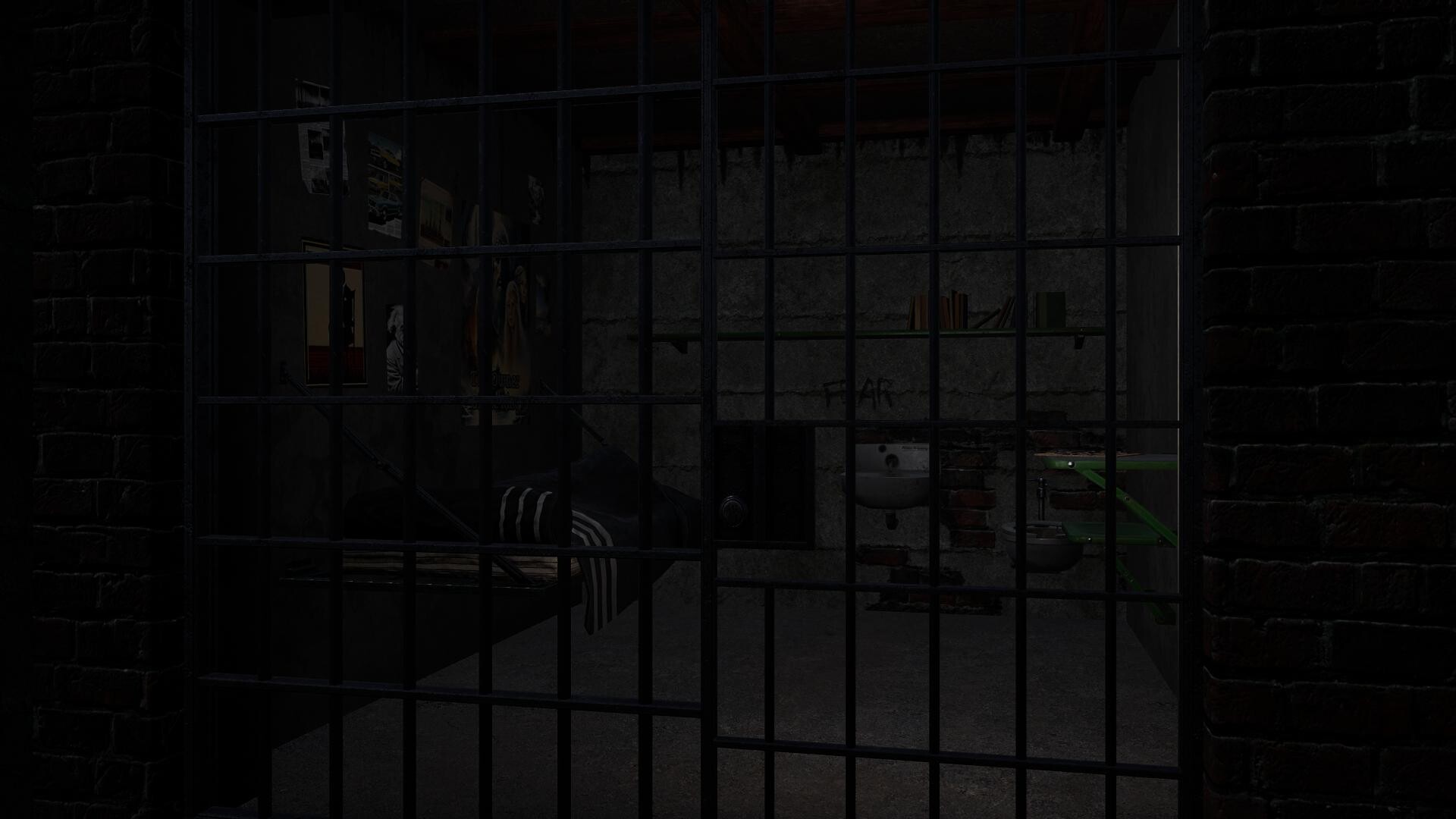
Official Steam copy frames this as a personal investigation: “Jin has spent years searching for his missing sister… a remote, decaying mansion where he recovered manifests and hints that indicate his sister may still be alive.” The estate is described as deliberately forgotten — no ownership, no recent records — but with signs of past occupancy deliberately scrubbed of names and photos. When Jin restores power, secured systems come back online and hidden compartments reveal fragments: encrypted documents, suspicious transfer records, and falsified identities. The narrative hook is piecing those fragments into a timeline that explains arrivals without records and departures without witnesses.
When and where
Trace of the Villa launched on Steam for PC on 28 May, 2026. It’s presented on Steam as a single-player indie title with accessibility options noted on the store page (color alternatives, subtitles, custom volume controls) that help players who want to focus on reading and listening to found evidence.
Why this theme matters
The game’s central conceit — a house that looks furnished but whose occupants’ identities have been erased — reframes the typical mansion mystery into an investigation about institutional erasure and logistical obfuscation. The stakes are personal (Jin’s sister) but the clues point to a larger operation: financial trails that lead nowhere and people who passed through under strict control. For players who find meaning in tracing how systems cover traces, this is promising storytelling fuel.
How you uncover meaning in Trace of the Villa
According to Steam’s description, progression is anchored in systems restoration and itemized discovery. You restore power to the estate, which reactivates secured systems; safes and hidden compartments yield fragments like encrypted documents and transfer records; each solved puzzle and unlocked device reveals more context. That design suggests an experience built around reading, inference, and connecting paper trails rather than fast reflexes — matching the Steam category “Playable without Timed Input.”

Player scenarios — what to expect depending on how you like mysteries
For slow-burn readers
You’ll spend time reading manifests and encrypted notes, cross-referencing transfer records, and following procedural breadcrumbs. If you enjoy taking screenshots of clues, making timelines, and piecing together motive through documents, this will fit your tempo.
For atmosphere-first explorers
If you prefer wandering set-pieces and letting the feeling of a space deliver most of the story, the mansion’s “erased” décor and sudden returns of powered systems appear designed to reward careful observation and patience.
For players who like puzzles with narrative payoff
Puzzle solutions here are tied to narrative progress: safes and locked systems yield new evidence. Expect the satisfaction of interpretive puzzle design where unlocking a mechanism equals gaining a new piece of the timeline.
How Trace of the Villa compares — a practical table
This comparison is editorial: it frames where Trace of the Villa sits among narrative mystery experiences based on genre, atmosphere, puzzle focus, exploration style, story tone, and pacing.
| Title | Genre / Focus | Atmosphere / Tone | Puzzle & Discovery | Exploration Style | Pacing |
|---|---|---|---|---|---|
| Trace of the Villa | Action / Adventure / Indie — story-first mystery | Decaying mansion, erased identities, investigative | Document- and system-driven puzzles; restore power, open safes | Indoor, clue-dense mansion; environmental storytelling | Slow-burn; clues accumulate into a timeline |
| Inscryption | Adventure / Indie / Strategy — card-driven mystery | Inky, psychological, meta-horror | Puzzle elements integrated into card mechanics and meta layers | Mixed (card table + escape-room segments) | Variable — tense and emergent through mechanics |
| Outer Wilds | Action / Adventure — open-world mystery | Curious, cosmic, exploratory | Observation-driven puzzles across a solar system | Open-world, player-led discovery | Exploratory and iterative (time-loop structure) |
| Journey | Adventure / Indie — atmospheric exploration | Serene, evocative, wordless | Less puzzle-heavy; meaning through movement and discovery | Large outdoor landscapes and ruins | Flowing, meditative |
| The Forgotten City | Adventure / Indie / RPG — time-loop narrative mystery | Ancient, moral, investigative | Puzzles tied to temporal mechanics and narrative choices | Structured zones with narrative beats | Deliberate, narrative-driven |
| The Medium | Adventure — psychological horror | Dark, dual-realm, haunting | Puzzles that exploit dual-reality mechanics | Linear, scene-based exploration | Steady tension and revelation |
Bottom line: if your main interest is reconstructing a human story through records and reactivated systems in an enclosed, atmospheric setting, Trace of the Villa sits closer to narrative puzzle titles (The Forgotten City) and atmospheric investigations than to mechanic-first experiments like Inscryption or open-space exploration like Outer Wilds.
How to decide — checklist for wishlisting
- Do you enjoy clue-driven narrative that requires reading documents and connecting fragments? — Wishlist it.
- Do you prefer open-world or highly mechanical puzzle systems? — This is more confined and story-focused; consider whether you like mansion mysteries.
- Are accessibility options (subtitles, color alternatives, no timed input) important to you? — The Steam page lists relevant categories.
Where to watch footage
If you want trailers or gameplay to judge pacing and UI, search YouTube using this discovery link (useful for trailers and player-captured footage; not every result will be official): YouTube: Trace of the Villa trailer & gameplay.
Steam link & where to find it
Trace of the Villa is on Steam. If you’re ready to wishlist or read the full store description, use this Steam link:
Disclaimer
Referenced titles and trademarks belong to their respective owners. Comparisons above are editorial discovery based on genre, atmosphere, puzzle style, exploration, story tone, and pacing; they do not imply endorsement or official connection.
Leave a Reply