Trace of the Villa — a story-first mystery about erasure, evidence, and the work of finding meaning
Trace of the Villa puts you in Jin’s shoes: a lone searcher following fragments of a life to a decaying, off-grid mansion where recovered manifests and encrypted fragments hint that his missing sister might still be alive. The game promises slow-burn investigation and environmental storytelling that asks players to read the house like a ledger—restoring systems, unlocking compartments, and following financial and identity traces to reconstruct what was deliberately erased.

Quick facts
| Title | Trace of the Villa |
|---|---|
| Release date | 28 May, 2026 |
| Developer | Steadyturtle Co., Ltd. |
| Publisher | Steadyturtle Co., Ltd. |
| Genres | Action, Adventure, Indie |
| Steam categories | Single-player; Color Alternatives; Custom Volume Controls; Playable without Timed Input; Subtitle Options; Family Sharing |
| Steam page | Trace of the Villa on Steam |
Who is this for?
- Players who prefer story-first mystery design over combat-first pacing—those who enjoy piecing together motive and identity from found objects and fragmented records.
- Fans of atmospheric mystery adventure and psychological investigation who like slow reveals: restoring power in a location to watch the environment return to life and tell its story.
- Players who appreciate environmental storytelling, narrative puzzle design, and clue-driven exploration—people who read safes, manifests, and encrypted documents as plot beats rather than just loot.
What the game actually is
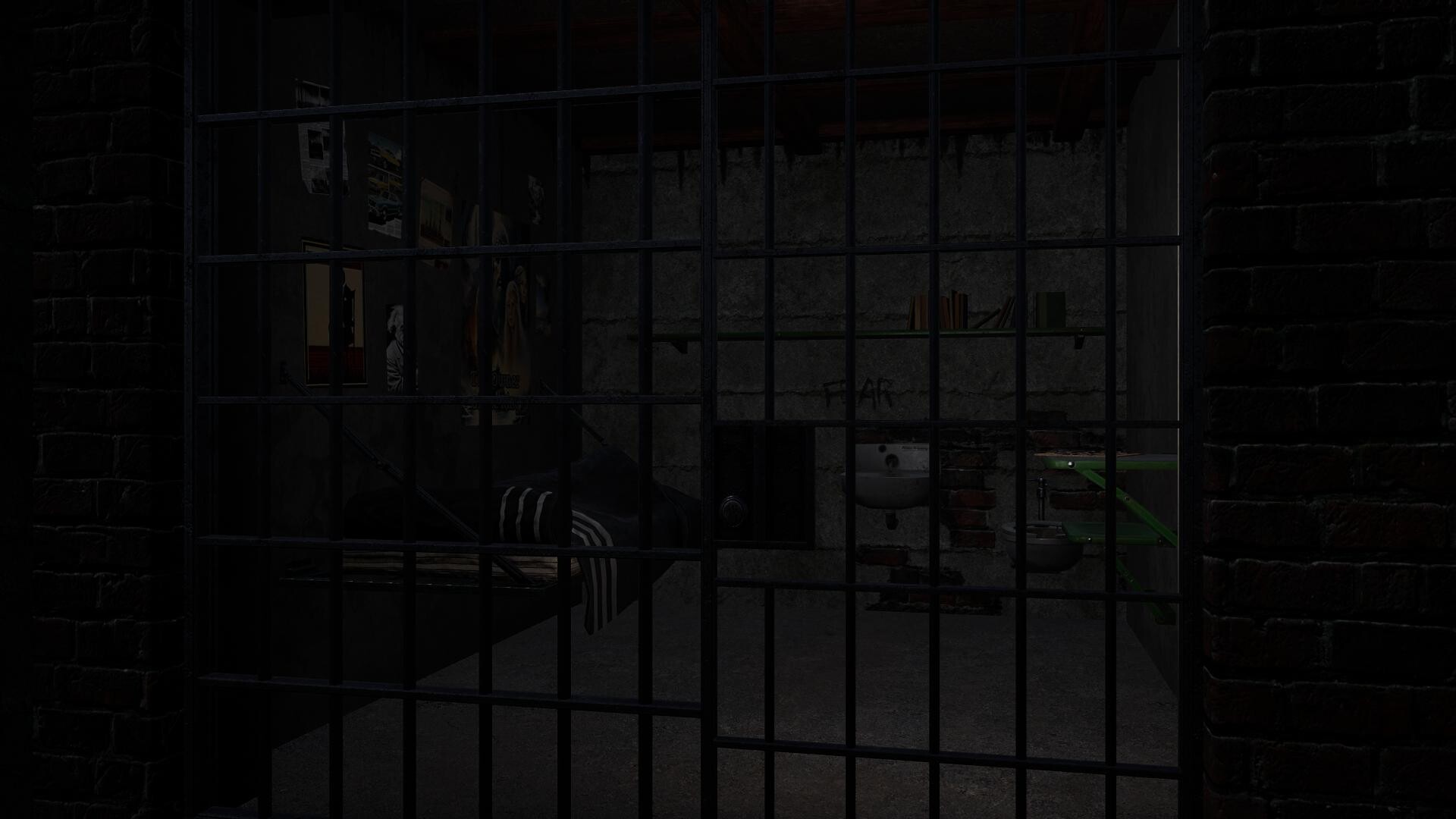
Officially, Trace of the Villa follows Jin, who has been searching for his missing sister for years. A lead brings him to a deliberately forgotten mansion with no recent records or active ownership, but clear signs of past occupancy. The house appears erased—no photographs or names, rooms left mid-routine—and when Jin restores power, secured systems come online, hidden compartments unlock, and safes yield fragmented encrypted documents and suspicious transfer records.

When and where to play
Trace of the Villa launched on 28 May, 2026 and is available on Steam. The Steam page lists Steadyturtle Co., Ltd. as both developer and publisher and classifies the title under Action, Adventure, and Indie with single-player and accessibility-friendly categories (color alternatives, subtitle options, custom volume controls, and playable without timed input).
Why the theme matters: erasure as a mystery engine
At its core, Trace of the Villa uses erasure—the deliberate removal of names, photographs, and records—as the central narrative puzzle. That absence forces players to treat material traces (manifests, transfer records, encrypted fragments) as primary evidence. Thematically, this shifts investigation from chasing spectacles to assembling history: the more mundane the clue, the louder it speaks. For players who value mood and motive, that design rewards careful reading and patient inference.
How you uncover meaning
The official description outlines the core investigative loop: restore power to the estate, bring secured systems back online, and use unlocked compartments and safes to collect fragments—manifests, encrypted documents, financial trails—that form a trail. The game frames progression as a forensic puzzle: each solved lock or decrypted fragment reveals another layer of the operation that used the mansion as a node for arrivals without records and departures without witnesses. Expect clue-driven exploration, environmental context, and narrative puzzle design rather than explicit expositional cutscenes.
Player scenarios: who will get the most out of it
- The Slow-Burn Detective: You like to sit in empty rooms and let atmosphere and small details tell the story. You’ll appreciate the house “returning” as you restore systems.
- The Forensic Puzzle-Runner: You keep lists, cross-reference manifests, and follow transaction trails. The game’s focus on encrypted fragments and suspicious transfers should feel like working a case file.
- The Environmental Storyteller: You prefer stories told by objects and placement—furniture, sealed doors, missing photographs—and you enjoy inferring character from staged absence.
- The Casual Mystery Fan: You want narrative payoff without intense reflex requirements—subtitle options and “playable without timed input” suggest that pacing is player-friendly.
How it differs from nearby story-rich mystery games
Trace of the Villa leans on erasure and institutional concealment as its central mystery mechanism, using procedural systems (power, safes, encrypted files) to reveal narrative fragments. That puts it closer to investigative environmental adventures than to action-heavy horror or purely metaphysical narratives.
Comparison table
| Game | Atmosphere / Tone | Exploration & Pacing | Puzzle Focus | Player fit |
|---|---|---|---|---|
| Trace of the Villa | Decaying mansion, erased identities, forensic mood | Slow-burn, clue-led interior exploration | Restoring systems, safes, encrypted documents, manifests | Players who prefer story-first mystery and environmental clues |
| Inscryption | Inky, card-based psychological horror | Layered reveals across meta-narrative beats | Card mechanics fused with escape-room style puzzles | Players who like meta-puzzles and unsettling tone |
| Outer Wilds | Curious, cosmic mystery | Open-world, time-loop exploration at player pace | Discovery through observation and environmental clues | Players who enjoy open-ended, exploration-led mystery |
| Journey | Poetic, contemplative exploration | Minimalist, graceful traversal with slow pacing | Environmental progression rather than explicit puzzles | Players seeking emotional, non-verbal storytelling |
| The Forgotten City | Philosophical time-loop mystery in an ancient setting | Narrative-driven, puzzle/choice oriented pacing | Moral puzzles and timeline manipulation | Players who like narrative consequences and time mechanics |
| The Medium | Psychological horror split between real and spirit realms | Third-person, story-led exploration with dual-reality mechanics | Puzzles that exploit two simultaneous worlds | Players who like psychological themes and dual-reality puzzles |
Leave a Reply