
Trace of the Villa — an atmospheric, clue-driven mansion mystery for story-first players
Trace of the Villa puts you in Jin’s shoes: a years-long search for a missing sister that finally points to a remote, decaying mansion filled with erased identities and encrypted fragments. If you prize slow-burn suspense, environmental storytelling, and puzzle-led investigation over constant action, this Steam release (28 May, 2026) is built around the very curiosity you bring to it.

Who is this for?
- Players who prioritize narrative curiosity and slow revelations over constant combat or speedrunning—people who want to read spaces and piece stories together.
- Fans of mansion mysteries, environmental storytelling, and investigative pacing: those who enjoy unlocking locked systems, recovering manifests, and following financial or identity traces.
- PC players who appreciate accessibility options (Color Alternatives, Custom Volume Controls, Subtitle Options) and single-player, indie action-adventure framing.
What the game actually is
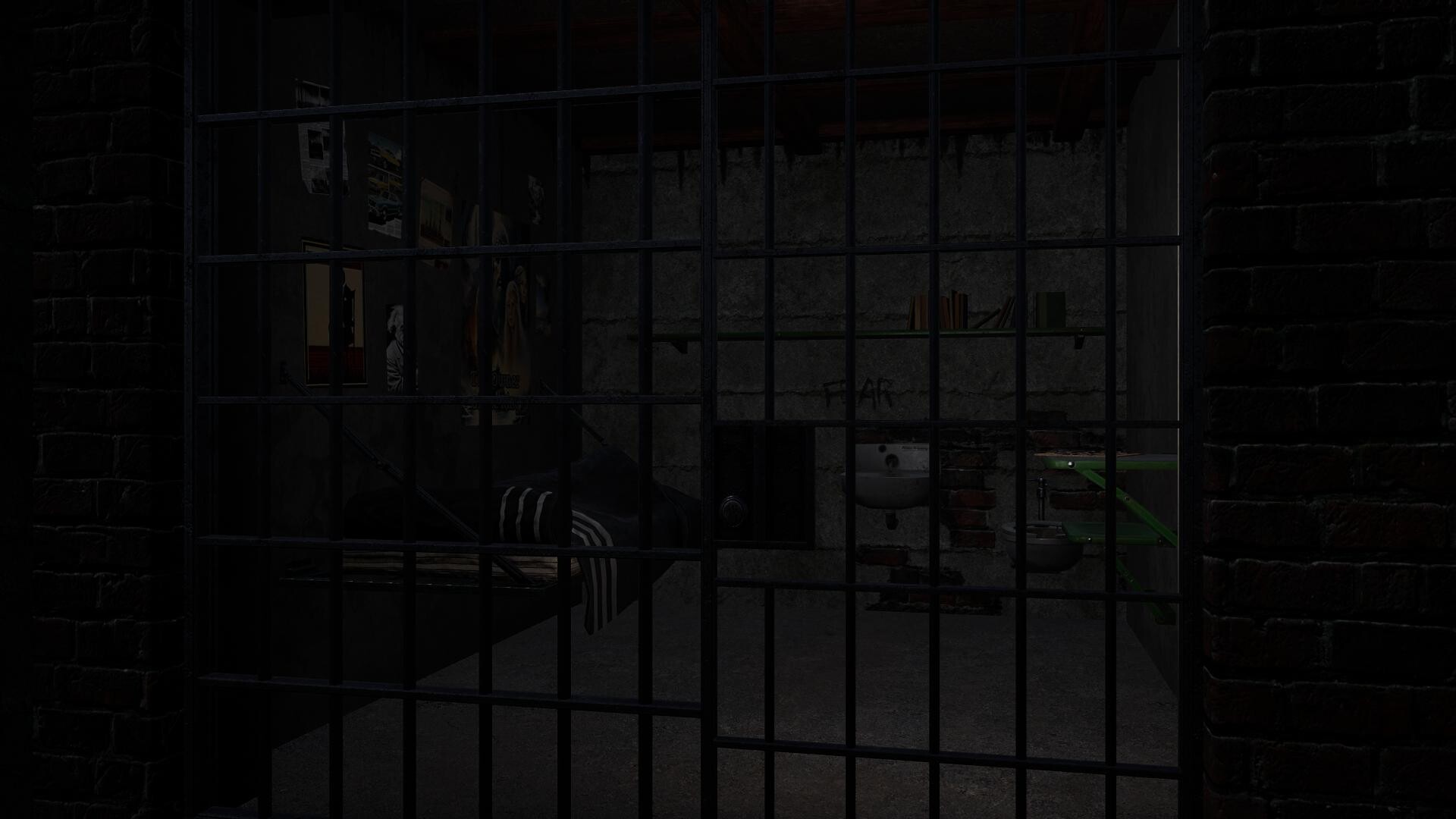
Trace of the Villa is an Action / Adventure / Indie game from Steadyturtle Co., Ltd., released on Steam on 28 May, 2026. Its premise is concrete in the official Steam copy: Jin has spent years searching for his missing sister and follows a lead to a deliberately forgotten mansion. The house appears erased of identities—furnished rooms, locked doors, and personal belongings without names or photographs. When Jin restores power, secured systems come back online, hidden compartments unlock, and safes yield fragments of encrypted documents and suspicious transfer records. The investigation reveals a pattern of arrivals without records and departures without witnesses, pointing to a larger, carefully concealed operation.
When and where you can play
Trace of the Villa is available on Steam (PC). Release date: 28 May, 2026. Developer / Publisher: Steadyturtle Co., Ltd. See the Steam store page to wishlist or buy:
Why the theme matters: erased identities and clue-driven meaning
The game’s emotional hook hinges on absence: not simply empty rooms, but the deliberate removal of the anchors that make people legible—names, photos, records. That affects how meaning emerges. Instead of being fed exposition, you reconstruct a life through artifacts that refuse to be whole. Thematically, that’s a powerful approach for players who value slow accumulation of detail over overt explanation; every recovered manifest or encrypted fragment reorients what you thought you knew.
How you read clues and progress
Progress in Trace of the Villa is driven by layered discovery rather than a single mechanic. Official Steam text highlights several concrete beats that shape player action:
- Restoring power to the estate reactivates secured systems—this unlocks new interactions and reveals hidden compartments.
- Encrypted documents and suspicious transfer records surface in safes and locked caches—decoding or piecing those together is essential to constructing the timeline.
- Environmental staging—rooms set as if people vanished mid-routine—serves as the primary storytelling device, so attention to mise-en-scène pays off.
Expect to alternate between inspection, puzzle-solving, and deduction: a recovered manifest isn’t just inventory, it’s context for the next locked door or system you must reactivate.

Compact facts — Trace of the Villa
| Title | Trace of the Villa |
|---|---|
| Steam appid | 3483660 |
| Release date | 28 May, 2026 |
| Developer / Publisher | Steadyturtle Co., Ltd. |
| Genres | Action, Adventure, Indie |
| Key categories | Single-player; Color Alternatives; Custom Volume Controls; Playable without Timed Input; Subtitle Options; Family Sharing |
| Core premise | Jin searches a decaying mansion for clues that his missing sister may still be alive. |
Who should wishlist it — player scenarios
- The meticulous reader: You notice small details in scenes and enjoy when a single item reframes an entire room. Trace rewards that attention with narrative threads and secured systems that open new lines of inquiry.
- The slow-pace investigator: You prefer methodical, puzzle-forward progress where the mood and implication matter as much as mechanical solutions—this game favors that rhythm.
- Thematic players: If stories about identity, erasure, and bureaucratic concealment appeal to you, the game’s focus on manifests, transfer records, and falsified identities will feel rewarding.
- Accessibility-conscious players: The presence of color alternatives, subtitle options, and non-timed inputs means the narrative is more broadly approachable for different play styles.
How it sits beside nearby mystery and exploration titles
The following table compares Trace of the Villa against other narrative-driven, mystery or exploration-focused titles on lawful editorial criteria: genre, atmosphere, puzzle focus, exploration style, story tone, and pacing. Use it to gauge fit—not to assert superiority.
| Title | Genre / Atmosphere | Puzzle Focus | Exploration Style | Story Tone | Pacing |
|---|---|---|---|---|---|
| Trace of the Villa | Action / Adventure / Indie — mansion mystery, erased identities | Clue recovery, encrypted documents, secured systems | Indoor, room-by-room investigation with reactivated systems | Personal, investigative, quietly unsettling | Slow-burn, clue-driven |
| Inscryption | Adventure / Indie — card-based, psychological | Puzzles embedded in card mechanics and meta layers | Often confined, deck-as-environment; meta exploration | Dark, surreal, psychological | Variable—puzzle spikes with meta reveals |
| Outer Wilds | Action / Adventure — cosmic exploration, mystery | Puzzle-solving through systems knowledge and observation | Open, solar-system scale; emergent exploration | Wonderful, melancholic, investigative | Leisurely but emergent—player-guided discovery |
| Journey | Adventure / Indie — atmospheric, minimalist | Low emphasis on puzzles; environmental navigation | Open environments with visual storytelling | Emotional, meditative | Slow, contemplative |
| The Forgotten City | Adventure / Indie / RPG — time-loop mystery | Logic and consequence puzzles tied to time-loop mechanics | Structured exploration in a single, dense location | Philosophical, moral, investigative | Measured with repeated experimentation |
| The Medium | Adventure — psychological horror, dual-reality | Puzzles that exploit dual-reality observation | Linear but layered spaces with supernaturalYouTube discoveryFor trailer and gameplay discovery, use YouTube search rather than relying on unverified embeds: Find Trace of the Villa trailer and gameplay searches on YouTube. CommentsMore posts |
Leave a Reply