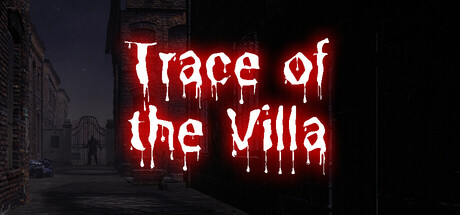
Trace of the Villa — a story-first mansion mystery where clues do the talking
Trace of the Villa puts you in the shoes of Jin, a searcher who follows a cold trail to a remote, decaying mansion and slowly assembles the truth from manifests, encrypted records, and the rooms themselves. Released on 28 May, 2026 from Steadyturtle Co., Ltd., this Action/Adventure/Indie title leans on environmental storytelling and clue-driven exploration to make every unlocked secret feel earned.

Quick facts
| Title | Trace of the Villa |
|---|---|
| Release date | 28 May, 2026 |
| Developer | Steadyturtle Co., Ltd. |
| Publisher | Steadyturtle Co., Ltd. |
| Genres | Action, Adventure, Indie |
| Steam categories | Single-player; Color Alternatives; Custom Volume Controls; Playable without Timed Input; Subtitle Options; Family Sharing |
| Steam appid | 3483660 |
Who is this for?
If you favour story-first mystery design — slow, atmospheric investigations that reward patient reading of objects, systems, and documents — Trace of the Villa is aimed at you. It will appeal to players who want an investigative tone over constant action, who appreciate environmental storytelling (rooms staged mid-purpose, missing personal details) and narrative puzzle design that reveals motive and system rather than only beats of jump-scare horror.
What the game is (official premise)
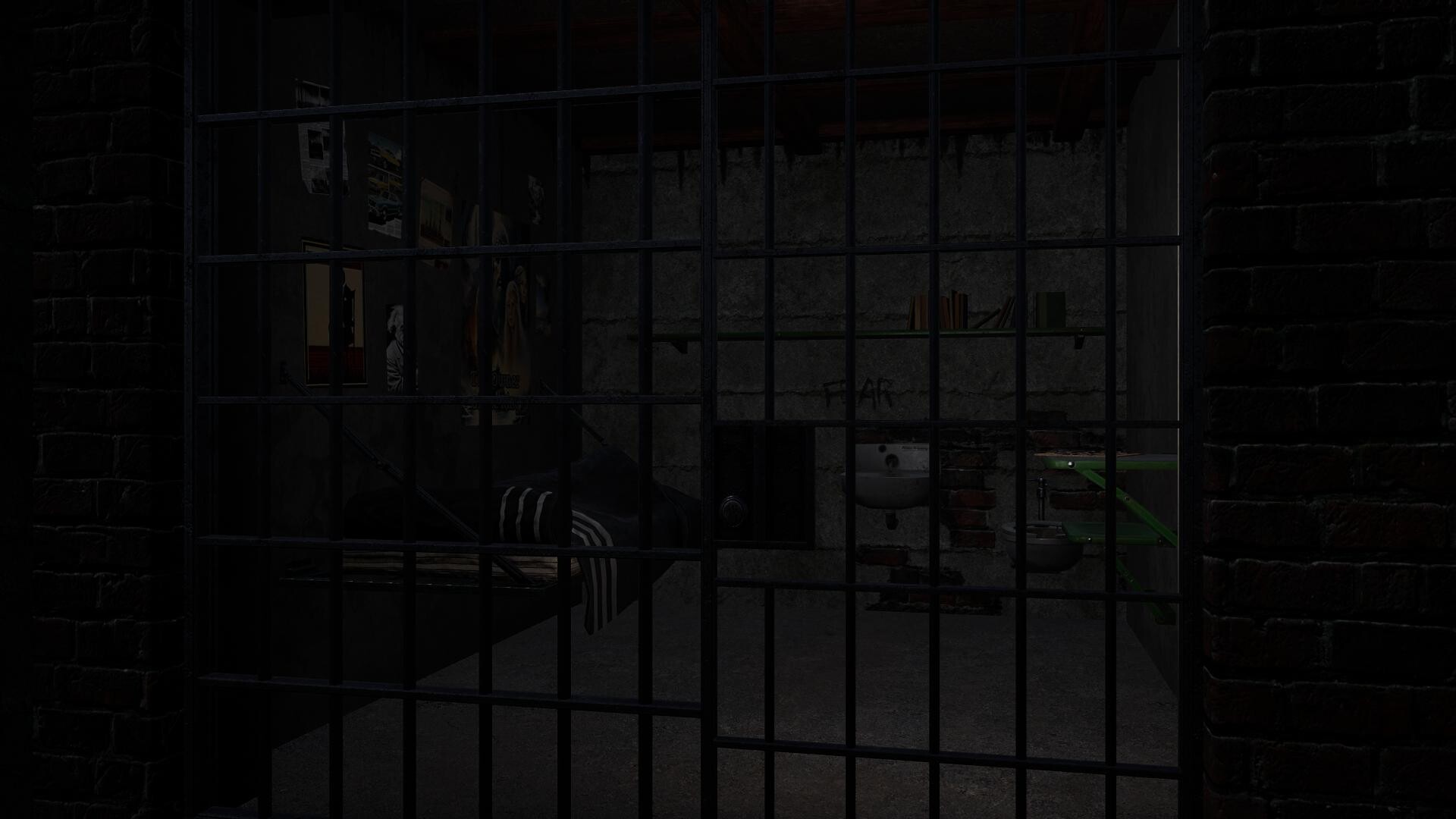
Jin has spent years searching for his missing sister, following leads that lead him to a remote, deliberately forgotten mansion. Inside, the house appears less abandoned than erased: furnished rooms, locked doors, and personal effects with names and photographs removed. When Jin restores power, secured systems come online and hidden compartments reveal fragments—encrypted documents, suspicious transfer records, and manifests—that suggest this place was more than a residence. The investigation unfolds as a reconstruction of timelines and identities, with each solved puzzle revealing another layer of a concealed operation.

When and where — Steam / PC context
Trace of the Villa launched on Steam on 28 May, 2026. It is listed under Action, Adventure, and Indie and supports single-player with accessibility options such as color alternatives, custom volume controls, subtitles, and the option to play without timed input. The Steam app page for the game is here: Trace of the Villa on Steam.
Why the theme matters — story-first mystery design
Mansion mysteries succeed when the environment acts like a second narrator. Trace of the Villa frames its investigation around erasure—rooms that look lived-in but lack identity markers—and the process of bringing hidden systems back online. That design choice shifts emphasis from spectacle to interpretation: players aren’t only solving puzzles, they’re reconstructing a social history from administrative traces. For players interested in psychological investigation and slow-burn suspense, that means the emotional payoff comes not from scripted reveals but from assembling inference chains across documents, security logs, and physically staged spaces.
How players uncover meaning (gameplay loop and clue reading)
- Power and systems: Restoring power is an explicit step that transitions the mansion from silent tableau to reactive environment—security systems, safes, and locked compartments become accessible and provide new data points.
- Document fragments and manifests: The game surfaces encrypted documents and manifests that must be interpreted in context. These items form the connective tissue between rooms and timelines.
- Environmental cues: Absence is as telling as presence. Missing photographs, falsified identities, and staged possessions invite players to treat space as evidence and to map relationships rather than rely on explicit exposition.
- Puzzle-to-narrative mapping: Solving a puzzle usually means a new piece of the ledger or a recovered transfer record—each solved mechanic advances the timeline and reframes prior assumptions.
Player scenarios — who should wishlist it
- Scenario A — You like methodical investigation: If you enjoy games where the pleasure is in piecing together a narrative from small, interlocking clues (documents, logs, and staged rooms), this fits your taste.
- Scenario B — You prefer atmosphere over horror setpieces: The game’s focus is on interpretation and slow-building tension rather than constant shocks or action set-pieces.
- Scenario C — You want accessibility-friendly pacing: With subtitle options and no requirement for timed input, the game caters to players who want to read and consider evidence at their own speed.
How Trace of the Villa compares to nearby mystery/puzzle titles
Below is an editorial comparison based on genre, atmosphere, puzzle focus, exploration style, story tone, and pacing to help decide where this game sits among familiar story-rich mysteries.
| Title | Similarities | Differences | Best for |
|---|---|---|---|
| Inscryption | Strong sense of layered secrets and mechanics revealing narrative; atmosphere-driven tension. | Inscryption blends card-based mechanics and meta-fictional surprises; Trace of the Villa is mansion-focused environmental investigation rather than card/roguelike systems. | Players who want emergent narrative from mechanical systems (Inscryption) vs. players who prefer physical exploration and document-led reconstruction (Trace). |
| Outer Wilds | Both reward patient observation and build meaning through environmental systems and timelines. | Outer Wilds is open-world, discovery-driven exploration across celestial bodies with systemic puzzles; Trace of the Villa is a confined mansion mystery with document- and room-focused clues. | Players who like systemic cosmic mysteries (Outer Wilds) vs. those who prefer intimate, room-scale investigations (Trace). |
| Journey | Atmospheric pacing and emphasis on mood and non-verbal storytelling. | Journey is a largely wordless, movement-based experience; Trace of the Villa uses documents, logs, and recovered systems to narrate a human-scale mystery. | Players seeking contemplative atmosphere with minimal text (Journey) vs. players wanting text- and clue-driven narrative investigation (Trace). |
| The Forgotten City | Both are narrative-driven and present moral and investigative choices tied to uncovering a timeline. | The Forgotten City uses time-loop mechanics and explicit dialogue choices; Trace focuses on reconstructing events via found records and environmental cues without the same looping structure. | Those who enjoy branching narrative and moral puzzles (Forgotten City) vs. those who prefer piecing together hidden operations from evidence (Trace). |
| The Medium | Psychological atmosphere and a focus on unraveling disturbing personal histories. | TheYouTube discoveryFor trailer and gameplay discovery, use YouTube search rather than relying on unverified embeds: Find Trace of the Villa trailer and gameplay searches on YouTube. CommentsMore posts |
Leave a Reply