
Trace of the Villa — a slow-burn mansion mystery for players who hunt for stories in the seams
Trace of the Villa puts you in the shoes of Jin, a searcher following faint manifests and hints into a decaying, off-the-grid mansion where identities have been stripped and traces of a larger operation wait to be pieced together. Released 28 May, 2026, this Action/Adventure/Indie title from Steadyturtle Co., Ltd. foregrounds environmental storytelling, clue-driven exploration, and narrative puzzle design over spectacle.

| Title | Trace of the Villa |
|---|---|
| Release date | 28 May, 2026 |
| Developer / Publisher | Steadyturtle Co., Ltd. |
| Genres | Action · Adventure · Indie |
| Steam categories | Single-player; Color Alternatives; Custom Volume Controls; Playable without Timed Input; Subtitle Options; Family Sharing |
| Steam AppID | 3483660 |
| Pitch (official) | Jin has spent years searching for his missing sister, pursuing leads that took him to a remote, decaying mansion where he recovered manifests and hints that indicate his sister may still be alive, somewhere at the end of the trail he is about to follow. |
Who is this for?
If you prize story-first mystery design — slow-burn suspense, environmental clues, and investigation that asks you to assemble meaning rather than hand it to you — Trace of the Villa targets that appetite. It will suit players who prefer puzzle-driven exploration and atmospheric mansion mysteries where reading manifests, restoring systems, and following financial traces matters as much as moment-to-moment action. The presence of Subtitle Options, Custom Volume Controls, and Playable without Timed Input also make it accessible to players who prefer a measured, text- and observation-heavy experience.
What the game is — tone and structure
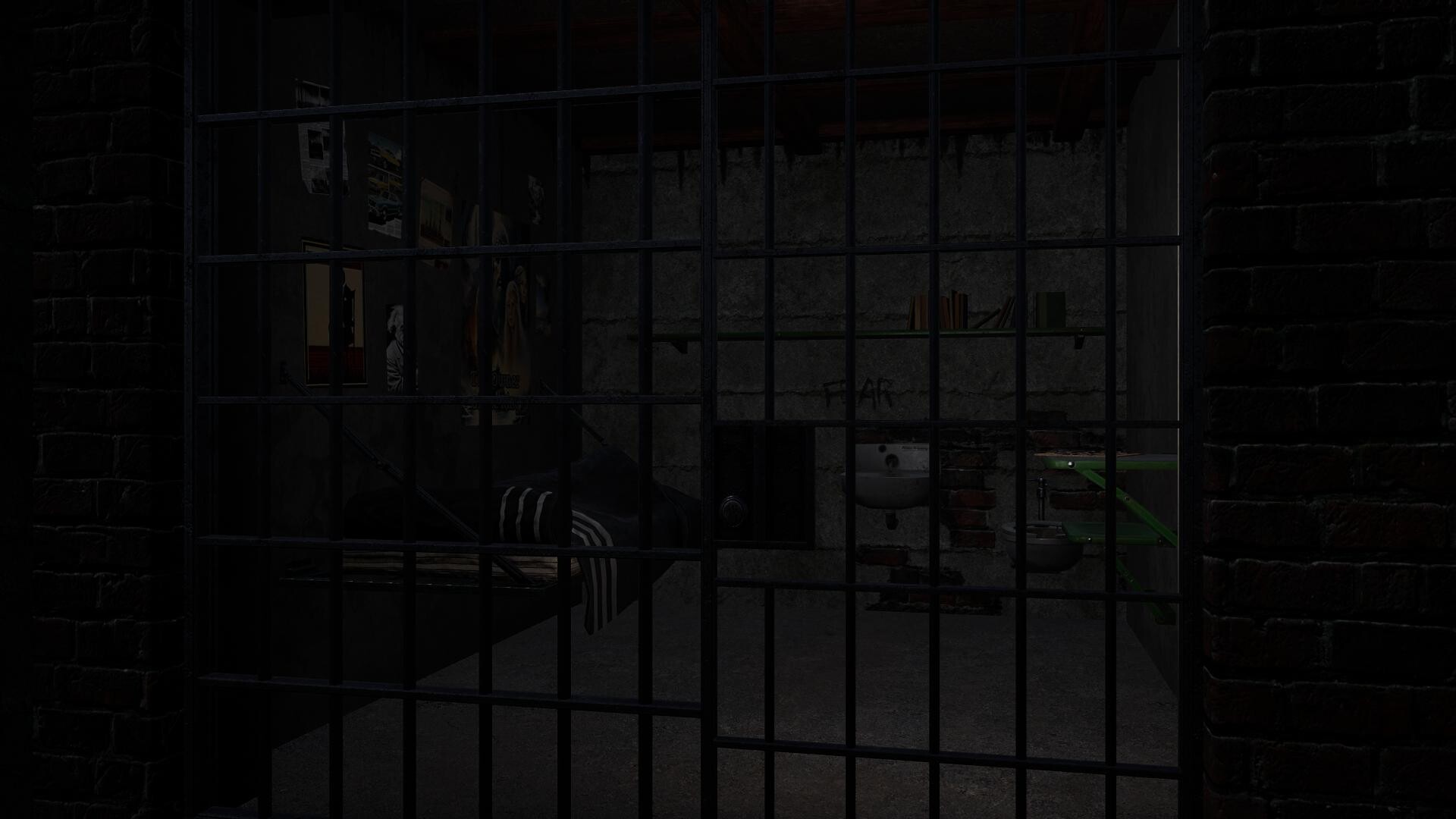
Official material frames Trace of the Villa as a personal investigation: Jin follows a lead to a deliberately forgotten estate and finds rooms staged as if people vanished mid-routine. Restoring the estate’s power reveals secured systems, hidden compartments and safes that yield fragments of encrypted documents and suspicious transfer records. Those are concrete, iterative beats of gameplay: recover manifests and hints, restore systems, unlock confined data, and trace financial and identity anomalies toward a wider pattern. The tone leans atmospheric and unsettling rather than overtly fantastical — a mansion mystery built on erasure and bureaucratic shadows.

When and where
Trace of the Villa launched on Steam on 28 May, 2026. It is listed on Steam under genres Action, Adventure, Indie and carries the Steam categories noted above. The Steam store page is the authoritative place to wishlist and check system requirements.
Why the theme matters
Stories about erased identities and hidden paperwork trade on the real-world friction between records and people: what can be proven, what can be hidden, and how bureaucracy can cloak violence or disappearance. Trace of the Villa uses that procedural logic as its investigative engine — encrypted fragments, suspicious transfers, and falsified identities become the clues that let a player read the house as evidence. For players interested in mystery design that rewards lateral thinking and attention to narrative detail, that procedural focus is meaningful because it ties the puzzle loop to the story’s emotional stakes: Jin searching for his sister.
How you uncover meaning — gameplay loop and clue-reading
The official description sketches a clear investigative loop. You enter a property that appears “erased” rather than simply abandoned. When Jin restores power, secured systems come back online; hidden compartments unlock; safes yield fragments of encrypted documents and suspicious transfer records. That sequence suggests a layered progression: exploration to find interactive nodes → resource or system restoration → access to sealed data → synthesis of documents and manifests into hypotheses about who passed through and why. The game emphasizes evidence-gathering (manifests, system logs, transfer records) and inference over timed reflexes — supported by the Playable without Timed Input category — so expect gameplay that privileges reading and deduction as the primary reward.
Player scenarios — who will get the most from it
- Investigator type: You love assembling timelines from documents, decrypting fragments, and following financial traces. The game’s focus on manifests, transfer records, and falsified identities will keep you busy.
- Slow-suspense player: You prefer slow-burn tension, atmospheric exploration, and narrative payoff over frequent combat or set-piece scares. The mansion’s “erased” feel and staged rooms aim at that mood.
- Accessibility-minded player: You value subtitle options and the ability to play without timed inputs so you can parse text and clues at your own pace.
How it compares — quick editorial table
| Title | Genre / Atmosphere | Puzzle focus | Exploration style | Story tone / Pacing | Player fit |
|---|---|---|---|---|---|
| Trace of the Villa | Action · Adventure · Indie — atmospheric mansion mystery | Document-driven, system restoration, encrypted fragments | Indoor, incremental access via restored systems and hidden compartments | Slow-burn, unsettling, investigative | Players who like clue synthesis and narrative puzzle design |
| Inscryption | Adventure · Indie · Strategy — inky, card-based, uncanny | Puzzles embedded in deckbuilding and metafictional systems | Mixed (room-based tableaus and meta-layer breaks) | Dense, psychological, often fast-shifting | Players who enjoy experimental structure and system-based secrets |
| Outer Wilds | Action · Adventure — open-world cosmic mystery | Puzzle and discovery via physics and temporal loops | Open, planetary exploration; non-linear | Curious, exploratory, emergent pacing | Players who prefer open-ended, discovery-first mysteries |
| The Forgotten City | Adventure · Indie · RPG — narrative time-loop mystery | Moral/temporal puzzles; dialogue and consequence-driven | Structured area exploration with replayable loops | Focused, narrative-driven, puzzle-centric | Players who like ethical puzzles and branching outcomes |
| The Medium | Adventure — psychological, dual-realm exploration | Environmental puzzles across two connected planes | Linear, dual-realm navigation | Psychological, eerie, story-led | Players who like a moodier, supernatural investigation |
YouTube and trailer discovery
Looking for visual previews or trailers? Use this YouTube search path to find gameplay and trailer footage: https://www.youtube.com/results?search_query=Trace+of+the+Villa+trailer+gameplay. (Search results may include trailers and player videos; a specific official video should be verified on the Steam store or developer channels.)
If this sounds like your kind of atmospheric mystery adventure, you can wishlist or visit the Steam page here: Trace of the Villa on Steam
Disclaimer: Referenced titles and trademarks belong to their respective owners. Comparisons above are editorial discovery only and do not imply endorsement or sponsorship.
Leave a Reply