
Trace of the Villa — a story-first mansion mystery that asks you to read absence
Jin arrives at a decaying, off-grid mansion with one concrete lead: manifests and hints suggesting his missing sister may still be alive. Trace of the Villa (Steadyturtle Co., Ltd., released 28 May, 2026) is an action‑adventure indie that turns investigation into atmosphere, asking players to assemble meaning from erased identities, locked rooms, and the hush of a place that seems deliberately forgotten.

| Title | Trace of the Villa |
|---|---|
| Developer / Publisher | Steadyturtle Co., Ltd. |
| Release Date | 28 May, 2026 |
| Genres | Action · Adventure · Indie |
| Steam Categories | Single-player · Color Alternatives · Custom Volume Controls · Playable without Timed Input · Subtitle Options · Family Sharing |
| Steam Page | Open on Steam |
Who should wishlist this
If you prize atmospheric mystery adventure and slow‑burn suspense, Trace of the Villa is targeted at players who prefer story-first design over loud set pieces. Players who enjoy environmental storytelling, clue-driven exploration, narrative puzzle design, and a psychological investigation centered on absence and erased identity will find the core appeal here. The Steam categories also indicate accessibility-minded options (subtitles, color alternatives, playable without timed input), which suits methodical explorers who want to read and parse evidence without pressure.
What the game actually is
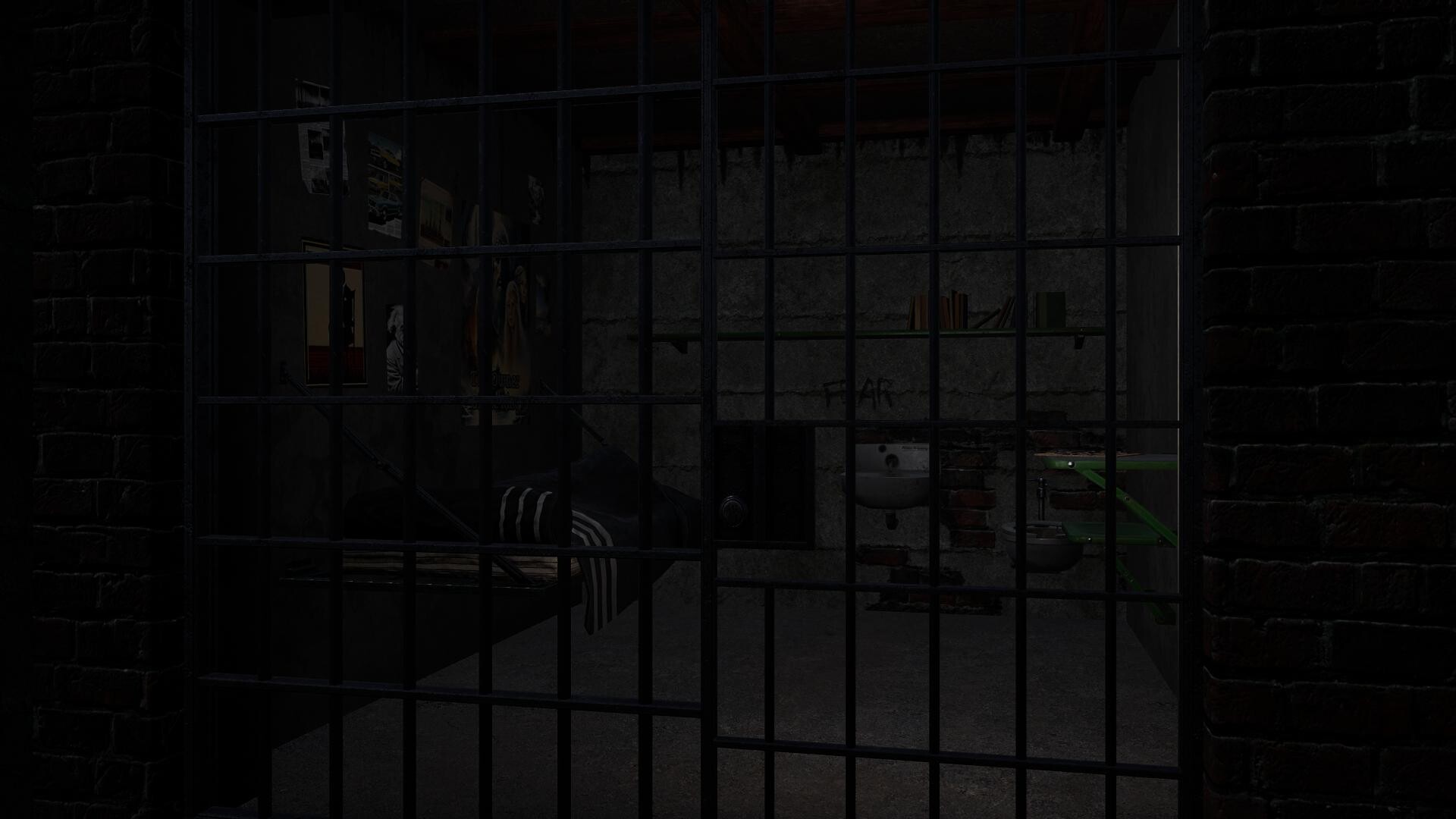
Officially, Trace of the Villa casts you as Jin, a sibling searching for his missing sister after years of cold leads. A trail finally points to a remote, decaying mansion. Inside, rooms look as if occupants vanished mid‑routine; identities and photographs are conspicuously missing. When Jin restores power to the estate, secured systems awaken: hidden compartments, safes, encrypted fragments and suspicious transfer records begin to surface. The investigation reveals falsified identities and movements that were deliberately masked—suggesting the mansion played a role in a larger, concealed operation.
When and where to play
Trace of the Villa is available on Steam; its release date is 28 May, 2026. The listing positions it in the Action / Adventure / Indie space and supports single‑player play. Steam features noted on the page—like subtitle options and custom volume controls—help you tailor the experience on PC to match accessibility or comfort preferences.
Why the theme matters: narrative curiosity and hidden backstory
At its heart, Trace of the Villa trades on a particular kind of narrative curiosity: not “what happened right now?” but “what has been carefully erased?” That shift—toward reading absences and decoding bureaucratic detritus—changes the player’s posture from detective of sensational acts to archaeologist of secrecy. Documents, manifests, and encrypted fragments act as delayed witnesses: partial records that invite inference, not immediate exposition. For players who find meaning in implication and pacing that rewards patience, the mansion mystery becomes an exercise in interpreting silences.
How you uncover meaning — design signals and player process
According to the Steam description, the game stages discovery through environmental interaction and systems restoration: restoring power gets locked systems back online; safes and compartments yield fragments; encrypted documents and transfer records point to networks of movement without names. That implies a player loop of exploration, puzzle solving, and evidence assembly—clue‑driven exploration rather than feed‑you‑every‑answer storytelling.
Practical takeaways for play style: expect to examine rooms for contextual props, pursue locked containers by solving localized puzzles, and use fragmented records to build timelines or infer relationships. The presence of categories like “Playable without Timed Input” and “Subtitle Options” suggests the pacing supports careful reading and deduction rather than reflex tests.

Player scenarios — what this game fits
- Slow‑burn investigative players: You enjoy reading fragments, tracing financial trails or manifests, and assembling a narrative from small discoveries.
- Atmosphere-first explorers: You prefer spaces that feel lived‑in but intentionally altered, where set dressing and missing photos are the story’s voice.
- Puzzle players who dislike timers: The Steam category “Playable without Timed Input” indicates puzzles and investigation you can approach at your own pace.
- Accessibility-conscious players: Support for subtitle options and color alternatives makes it approachable for players who need those modes.
How it compares — short editorial table
| Title | Core mystery style | Puzzle / exploration focus | Tone & pacing | Who might prefer it |
|---|---|---|---|---|
| Trace of the Villa | Mansion mystery built from erased identities and document fragments | Clue‑driven exploration, restoring systems, safes and encrypted documents | Slow‑burn, atmospheric, investigative | Players who like environmental storytelling and reading absence |
| Inscryption | Card‑based meta mystery with puzzle and escape-room elements | Deckbuilding plus escape‑puzzle moments; emergent mystery through mechanics | Darker, claustrophobic, mechanically twisty | Players who enjoy mechanical surprises and meta‑narrative reveals |
| Outer Wilds | Open‑world solar system mystery revealed through exploration loops | Exploration and environmental clues across locations and events | Patient, wonder‑focused, exploratory | Players who enjoy non‑linear discovery and timeline puzzles |
| Journey | Expansive, largely wordless exploration of ruins and atmosphere | Traversal and environmental puzzles; emotional journey over explicit mystery | Poetic, contemplative, slow | Players seeking mood and interpretation over explicit narrative detail |
| The Forgotten City | Time‑loop narrative mystery with player agency and moral puzzles | Systemic puzzle solving with narrative consequences | Tightly plotted, high‑concept investigative | Players who like cause‑and‑effect puzzles with ethical stakes |
| The Medium | Psychological horror that splits real and spirit realms to reveal secrets | Dual-reality exploration, story revealed through both planes | Moody, tense, narrative‑driven | Players who want psychological investigation with horror elements |
Notes: comparisons use lawful editorial criteria—genre, atmosphere, puzzle focus, exploration style, pacing, and player fit—based on public descriptions.
YouTube discovery
For trailer and gameplay discovery, use YouTube search rather than relying on unverified embeds: Find Trace of the Villa trailer and gameplay searches on YouTube.
Leave a Reply