
Trace of the Villa — a slow-burn mansion mystery where every object is a question
Trace of the Villa centers on Jin, a man who has spent years searching for his missing sister and follows a lead to a remote, decaying mansion that may hold answers. The game promises clue-driven exploration, environmental storytelling, and puzzle-led revelations as Jin restores power and teases loose threads of a larger, concealed operation.

Who, what, when, where, why, and how
Who is this for?
For players who favor story-first mystery design over action spectacle: you enjoy taking time to examine rooms, reading manifests and encrypted fragments, and letting atmosphere and small details carry meaning. If you prefer single-player, narrative-focused investigations with optional accessibility features (color alternatives, subtitle options, and playable without timed input), this is targeted at you.
What is the game?
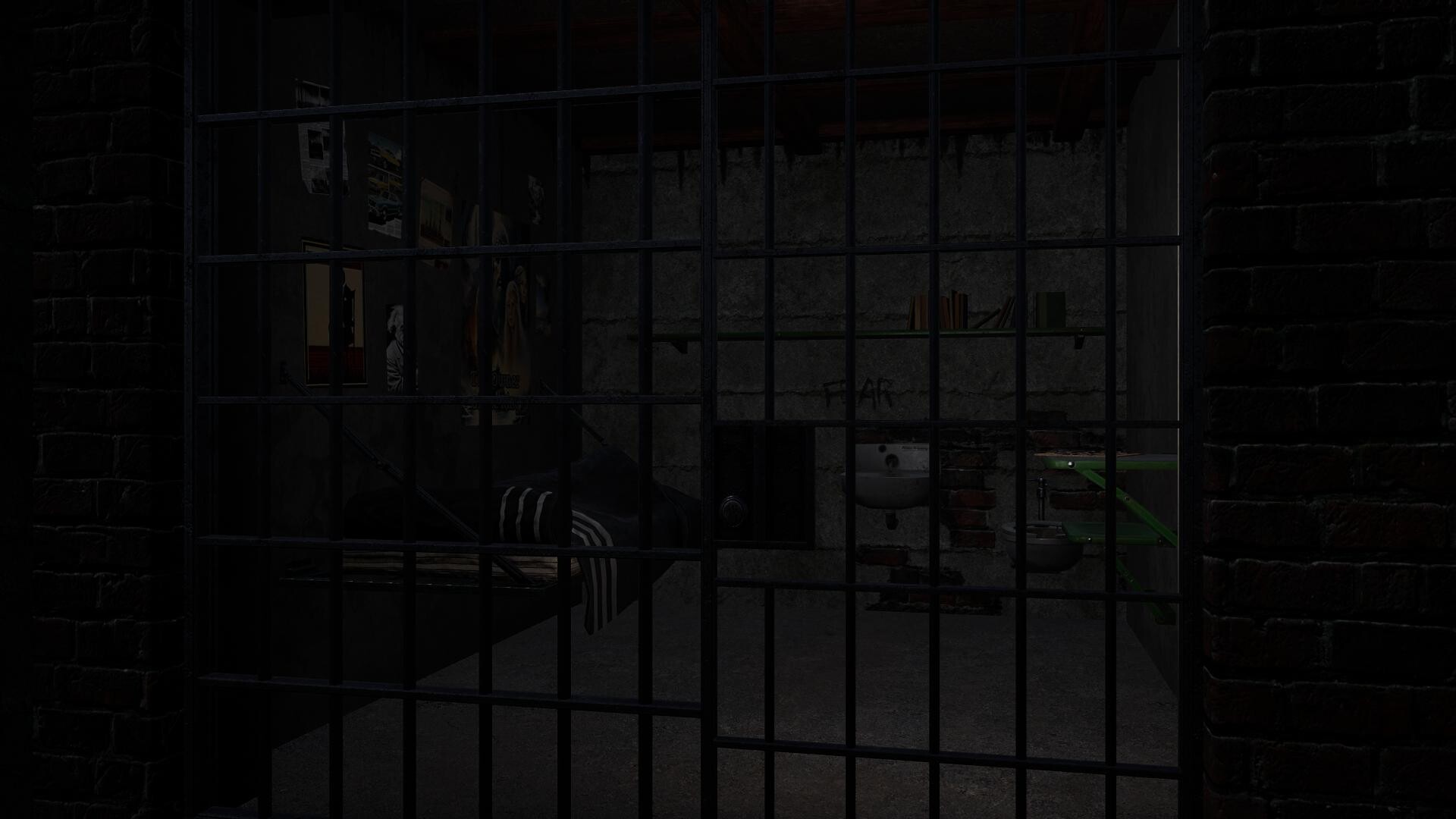
Trace of the Villa is an Action/Adventure/Indie title from Steadyturtle Co., Ltd. that casts you as Jin investigating a decaying, off-grid mansion. The estate appears deliberately forgotten; personal objects remain, but names and photographs are missing, implying identities were removed. Restoring power brings secured systems, hidden compartments, and encrypted documents back into play — each solved puzzle yields another layer of the concealed operation.
When and where?
Release date: 28 May, 2026. Available on Steam for PC: see the official Steam page for system requirements and the full store listing.
Why the theme matters
The missing-person premise makes the investigation personal, not just procedural. The game’s narrative weight comes from the tension between visible domestic traces and deliberate erasure: rooms that feel lived-in yet anonymized suggest human stories deliberately removed, which shapes how players interpret clues and suspect motives.
How you uncover meaning and progress
According to the official description, progression is clue-driven rather than combat-first. Restoring estate power reactivates systems, unlocks hidden compartments, and yields fragments — manifests, encrypted documents, suspicious transfer records — that map a timeline of arrivals and departures. Players read evidence, piece together falsified identities and financial trails, and follow hints that Jin hopes will point to his sister’s location. The game emphasizes environmental storytelling and puzzle-solving as the primary tools for uncovering its backstory.
Quick facts
| Title | Trace of the Villa |
|---|---|
| Developer | Steadyturtle Co., Ltd. |
| Publisher | Steadyturtle Co., Ltd. |
| Genres | Action, Adventure, Indie |
| Categories / Features | Single-player, Color Alternatives, Custom Volume Controls, Playable without Timed Input, Subtitle Options, Family Sharing |
| Release Date | 28 May, 2026 |
| Steam AppID | 3483660 |
| Official short description | Jin has spent years searching for his missing sister, pursuing leads that took him to a remote, decaying mansion where he recovered manifests and hints that indicate his sister may still be alive, somewhere at the end of the trail he is about to follow. |
| User reviews (Steam) | No user reviews |
Visual notes

Which players should wishlist it?
- Players who want a story-first mystery built around environmental clues and document fragments rather than explicit exposition.
- Fans of slow-burn, investigative pacing who enjoy decrypting context from manifests, transfer records, and secured systems.
- Those who value accessibility options (no timed input necessary, subtitles, color alternatives) and single-player narrative focus.
Comparison: where Trace of the Villa sits among narrative mysteries
Below is a focused editorial comparison to help decide if Trace of the Villa fits your tastes. This table compares lawful, observable elements: genre, atmosphere, puzzle focus, exploration style, story tone, and pacing.
| Title | Genres / Core feel | Puzzle / Clue focus | Exploration style | Story tone / Pacing |
|---|---|---|---|---|
| Trace of the Villa | Action / Adventure / Indie — mansion mystery, environmental storytelling | Clue-driven (manifests, encrypted docs, locked compartments) | Restricted estate; systematic reactivation of systems unlocks progress | Slow-burn, investigative, personal (search for Jin’s missing sister) |
| Inscryption | Adventure / Indie / Strategy — card-based, psychologically dark | Puzzles embedded in card mechanics and meta-layer secrets | Layered rooms/meta-spaces; a mix of constrained deck and emergent discovery | Bleak, psychological, often cryptic and layered |
| Outer Wilds | Action / Adventure — open-world mystery, time-loop | Puzzle solving across environments and timelines | Open solar-system exploration; discovery-driven navigation | Curious, exploratory, emergent pacing tied to time loop |
| The Medium | Adventure — psychological horror, dual-reality exploration | Puzzles using parallel-realm mechanics and environmental contrast | Linear to semi-open locations with interlinked realms | Atmospheric and introspective, oriented around trauma and echoes |
| The Forgotten City | Adventure / Indie / RPG — narrative-driven mystery with time-loop elements | Puzzles and moral decisions tied to narrative consequences | Exploration of
Steam pageView Trace of the Villa on Steam YouTube discoveryFor trailer and gameplay discovery, use YouTube search rather than relying on unverified embeds: Find Trace of the Villa trailer and gameplay searches on YouTube. CommentsMore posts |
Leave a Reply