
Trace of the Villa — an atmospheric mansion mystery that asks you to read absence as evidence
Trace of the Villa drops players into Jin’s obsessive search for a missing sister, where a decaying, off-the-grid mansion yields manifests, encrypted fragments, and the unnerving impression that identities were deliberately erased. The game promises clue-driven exploration and slow-burn suspense that rewards patient readers of environment and systems alike.

What Trace of the Villa is
Trace of the Villa is an Action/Adventure indie on Steam from Steadyturtle Co., Ltd. (developer and publisher), released 28 May, 2026. Official short copy frames the premise plainly: “Jin has spent years searching for his missing sister, pursuing leads that took him to a remote, decaying mansion where he recovered manifests and hints that indicate his sister may still be alive, somewhere at the end of the trail he is about to follow.”
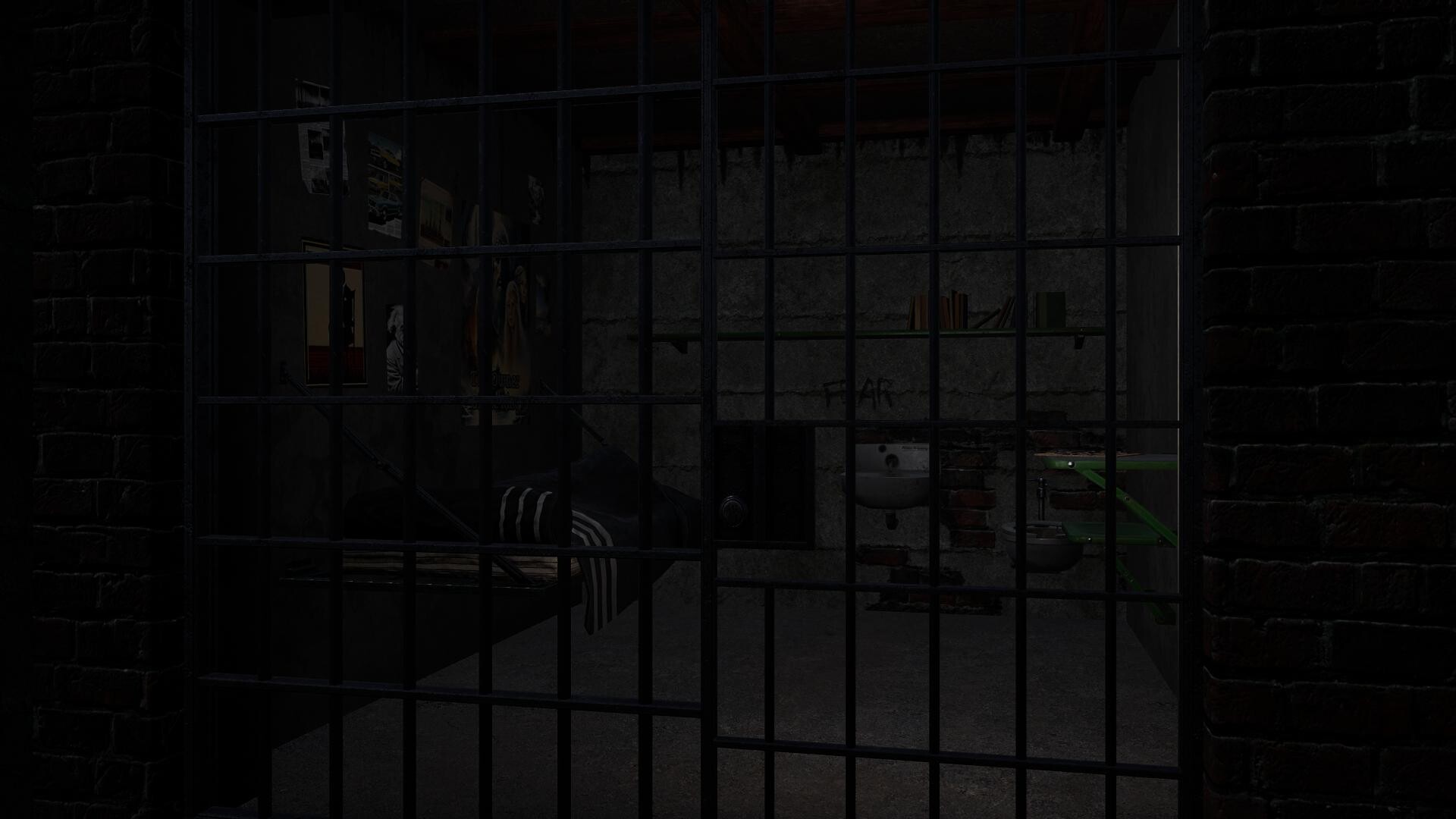
The game’s longer description emphasizes environmental storytelling and investigation: rooms staged as if people vanished mid-routine, secured systems that come back online when power is restored, hidden compartments and safes that yield fragments of encrypted documents, and financial or identity trails that slowly paint a darker, organized picture. Those are the concrete narrative hooks the design asks players to follow.
Quick facts
| Title | Trace of the Villa |
|---|---|
| Release date | 28 May, 2026 |
| Developer | Steadyturtle Co., Ltd. |
| Publisher | Steadyturtle Co., Ltd. |
| Genres | Action, Adventure, Indie |
| Steam categories | Single-player; Color Alternatives; Custom Volume Controls; Playable without Timed Input; Subtitle Options; Family Sharing |
| Steam page | View Trace of the Villa on Steam |
Who should wishlist this
Trace of the Villa will most appeal to players who prize story-first mystery design and environmental evidence over explicit exposition. If you enjoy:
- slow-burn suspense and atmosphere in a single-player setting,
- piecing timelines together from scattered documents and systems that “wake up” as you progress,
- investigations that treat absence and redaction as clues,
—this is a natural fit. The Steam categories also flag accessibility-friendly features (subtitle options, color alternatives, no required timed input), which helps players who prefer deliberate, exploratory pacing.
When and where
Trace of the Villa launched on Steam on 28 May, 2026. The game’s Steam page (link in the facts table and again below) is the canonical place to wishlist or purchase.
Why the theme matters: erasure as a narrative device
The mansion in Trace of the Villa is described as “less abandoned than erased.” That specific phrasing signals the game’s core narrative curiosity: not just who disappeared, but why the record of those people was removed. Erasure-focused mysteries change how you read environmental storytelling — you’re not simply cataloguing artifacts, you’re interrogating their absence and the systems that sanitized them. That makes every recovered manifest or encrypted fragment feel like a small victory and a question at once.
How you uncover meaning
The official description lists several concrete investigative beats that define the gameplay loop and design philosophy:
- Restoring power to the estate reactivates secured systems and triggers new information — a systems-first approach to unlocking narrative layers.
- Hidden compartments and safes yield fragments of encrypted documents and suspicious transfer records — documents act as puzzles and clues, not just flavor text.
- Financial trails, falsified identities, and movements masked behind records emerge as patterns rather than single reveals — the mystery is cumulative and pattern-driven.
Design-wise, that points to a story-first mystery: the puzzles exist to reveal context, and progression is driven by assembling partial signals into a coherent timeline. Players who enjoy reading the margins of documents and treating environmental detail as lead material will get the most out of the experience.

Player scenarios — who will enjoy this and how to approach it
Scenario A — The patient detective
You prefer methodical investigation and reading documents over action reflexes. You’ll appreciate the game’s emphasis on restoring systems, finding fragments, and assembling a timeline. Take notes, re-check rooms after power systems are restored, and treat missing items or blank labels as intentional clues.
Scenario B — The atmosphere-first explorer
You play for mood and slowly accumulating dread. Let rooms speak to you: staged objects, the absence of photographs or names, and locked doors that suddenly yield evidence when power returns will be your primary satisfactions. Pace yourself and prioritize discovery over speed.
Scenario C — The puzzle-minded narrator-builder
You like puzzles that lead to lore. Expect safes and encrypted fragments to function as both cryptic gameplay and story delivery. Solving a safe should feel like assembling a missing chapter, not just opening loot.
How it compares (editorial discovery)
Below is a compact comparison to orient players who enjoy story-rich mystery or environmental puzzle games. This is an editorial map — not a ranking.
| Title | Core focus | Atmosphere | Puzzle/Exploration emphasis | Story tone / Pacing | Good for players who… |
|---|---|---|---|---|---|
| Trace of the Villa | Clue-driven mansion investigation | Slow-burn, suffocating domestic decay | Documents, systems, hidden compartments | Deliberate — narrative layers revealed progressively | Prefer environmental storytelling and pattern-based mysteries |
| Inscryption | Card-based odyssey that folds in puzzles | Bleak, uncanny, psychological | Escape-room puzzles merged with card mechanics | Concentrated, meta-textual reveals | Enjoy psychological layers and experimental puzzle design |
| Outer Wilds | Open-world solar system mystery | Lonely, awe-tinged exploration | Environmental investigation across locations and loops | Expansive, curiosity-driven (named GOTY by several outlets) | Like piecing cosmic timelines from exploration |
| Journey | Abstract, lyrical exploration | Serene, evocative | Traversal and environmental discovery | Quiet, poetic pacing | Prefer atmosphere and nonverbalYouTube discoveryFor trailer and gameplay discovery, use YouTube search rather than relying on unverified embeds: Find Trace of the Villa trailer and gameplay searches on YouTube. CommentsMore posts |
Leave a Reply