
Trace of the Villa — a slow-burn mansion mystery built around recovering what was erased
Trace of the Villa follows Jin, a man who’s searched for his missing sister for years, into a remote, decaying mansion where recovered manifests and other hints imply she may still be alive. The game leans on environmental storytelling and clue-driven exploration: restoring power, unlocking hidden compartments and decrypting documents gradually reveal a concealed operation and the people who passed through this place.

Quick facts
| Title | Trace of the Villa |
|---|---|
| Steam AppID | 3483660 |
| Release date | 28 May, 2026 |
| Developer / Publisher | Steadyturtle Co., Ltd. |
| Genres | Action, Adventure, Indie |
| Steam categories | Single-player; Color Alternatives; Custom Volume Controls; Playable without Timed Input; Subtitle Options; Family Sharing |
| Short premise (official) | “Jin has spent years searching for his missing sister, pursuing leads that took him to a remote, decaying mansion where he recovered manifests and hints that indicate his sister may still be alive, somewhere at the end of the trail he is about to follow.” |
Who should wishlist this
If you prize story-first mystery design, slow-burn suspense and layered environmental storytelling, Trace of the Villa is targeted at you. The Steam tags and official text place it in Action/Adventure/Indie territory, so expect an interplay of exploration and potentially tense moments rather than a purely contemplative walking sim. It’s a fit for players who enjoy carefully reading clues — manifests, encrypted documents, transfer records — and reconstructing timelines from fragments instead of having everything spelled out.
What the game is, and how it reveals its story
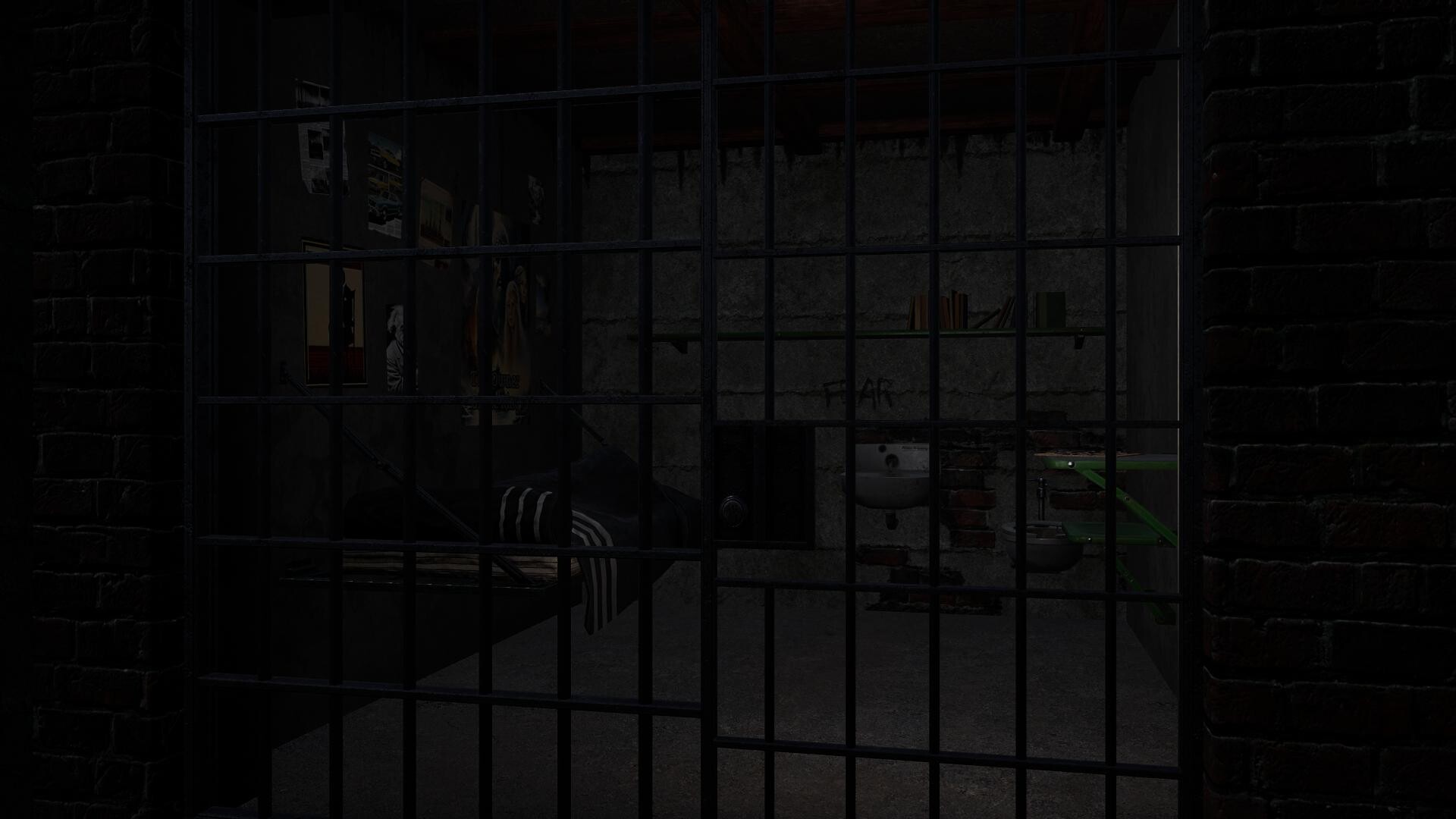
Trace of the Villa opens with a clear personal motive: Jin’s search for his missing sister leads him to a deliberately forgotten estate. The mansion itself is described as “less abandoned than erased” — rooms set as if occupants vanished mid-routine, personal effects without names, locked doors and hastily secured secrets. Progression is investigative and puzzle-adjacent: when Jin restores power, “secured systems come back online,” hidden compartments unlock, and safes yield “fragments of encrypted documents and suspicious transfer records.”
That phrasing signals a design where story is recovered through systems restoration and archival evidence. Players will likely move between environmental cues and small puzzle beats to assemble a timeline and trace the operation that used the mansion as a node for arrivals and departures without records.

When and where
Trace of the Villa released on Steam on 28 May, 2026. It’s published and developed by Steadyturtle Co., Ltd. The Steam store page lists the game under Action, Adventure and Indie, and includes accessibility and UI categories such as Subtitle Options and Custom Volume Controls.
Why the theme matters — identity, erasure, and the archive as gameplay
The central conceit — a house where identities appear to have been removed — turns archival work into emotional labor. Instead of a single told narrative, the mansion’s condition and the recovered documents create a puzzle of personhood: who was here, who handled the transfers, and how did records vanish? For players attuned to psychological investigation and stories about institutions that erase people, that design promise offers layered payoff as you stitch together a human trail from bureaucratic debris.
How you progress and uncover meaning
- Restore systems and power: the official description explicitly ties narrative reveals to restoring power to the estate — doing so makes secured systems come back online and opens new investigative paths.
- Search and decode physical evidence: manifests, encrypted documents and transfer records are mentioned as core artifacts that reveal suspicious operations and falsified identities.
- Piece together timeline beats: the game frames arrivals without records and departures without witnesses; your job is to connect fragments into a coherent pattern and follow where the trail leads.
Those threads suggest a game loop based on exploration, puzzle solving (including decryption or code-based puzzles implied by “encrypted documents”), and assembling a narrative from fragments rather than relying on expository cutscenes.
Player scenarios — which sessions will suit you
Session: Quiet evening, methodical unpacking
You enjoy slow, multi-hour sessions where you read notes, backtrack, and cross-reference files. Bring patience and a notebook; Trace of the Villa rewards methodical attention to detail.
Session: Puzzle-forward run with narrative hooks
If you like a steady stream of small puzzles that unlock the next narrative fragment — restoring a circuit to access a terminal, cracking a safe to recover a ledger — this structure looks tailored to you. The Action/Adventure tag suggests there may be tense sequences, but the core is investigative.
Session: Atmospheric short bursts
For players who prefer to play in short bursts, the game’s room-scale mysteries and discrete evidence items should let you make tangible progress in a single sitting by solving one or two local puzzles to reveal new documents or systems.
How Trace of the Villa compares to related story-driven mysteries
Below is a focused editorial comparison across tone, narrative focus, exploration and puzzle style to help you decide how Trace of the Villa fits with other narrative mysteries you might consider.
| Title | Tone / Atmosphere | Narrative focus | Exploration / puzzle style | Player fit |
|---|---|---|---|---|
| Trace of the Villa | Atmospheric, claustrophobic mansion mystery | Recovering erased identities and following a personal trail (Jin searching for his sister) | Clue-driven exploration, systems restoration, document fragments and safes | Players who like environmental storytelling and piecing timelines from artifacts |
| Inscryption | Dark, surreal, and meta-textured |
Leave a Reply