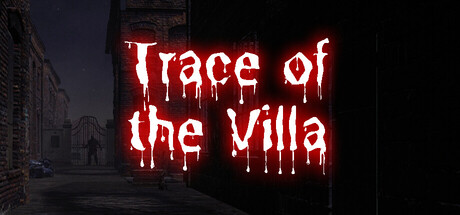
Trace of the Villa — a slow-burn mansion mystery built around clue-driven exploration
Trace of the Villa casts you as Jin, a determined searcher whose long hunt for a missing sister leads to a remote, decaying mansion where manifests and hints suggest she may still be alive. The game foregrounds narrative curiosity: restoring power and following forensic breadcrumbs reveals encrypted documents, suspicious transfers, and a carefully concealed operation that stripped the house of ordinary identity.

Quick facts
| Title | Trace of the Villa |
|---|---|
| Steam appid | 3483660 |
| Release date | 28 May, 2026 |
| Developer / Publisher | Steadyturtle Co., Ltd. |
| Genres | Action, Adventure, Indie |
| Steam categories | Single-player, Color Alternatives, Custom Volume Controls, Playable without Timed Input, Subtitle Options, Family Sharing |
| Short premise | Jin searches for his missing sister, following leads to a remote mansion where recovered manifests and hints suggest she may still be alive. |
| Steam reviews | No user reviews (as of the referenced Steam data) |
Who should wishlist Trace of the Villa?
If you prioritize story-first mystery design — environmental storytelling over loud scares, puzzles that reveal backstory, and careful, clue-driven progression — this is aimed at you. Players who enjoy following physical traces (manifests, transfer records, encrypted fragments) and who prefer investigation and deduction to twitch reflexes will likely find the pacing rewarding. The Steam categories also highlight accessibility options: subtitle support, color alternatives, and the ability to play without timed input suggest a design that favors reading and thought over split-second reactions.
What the game is
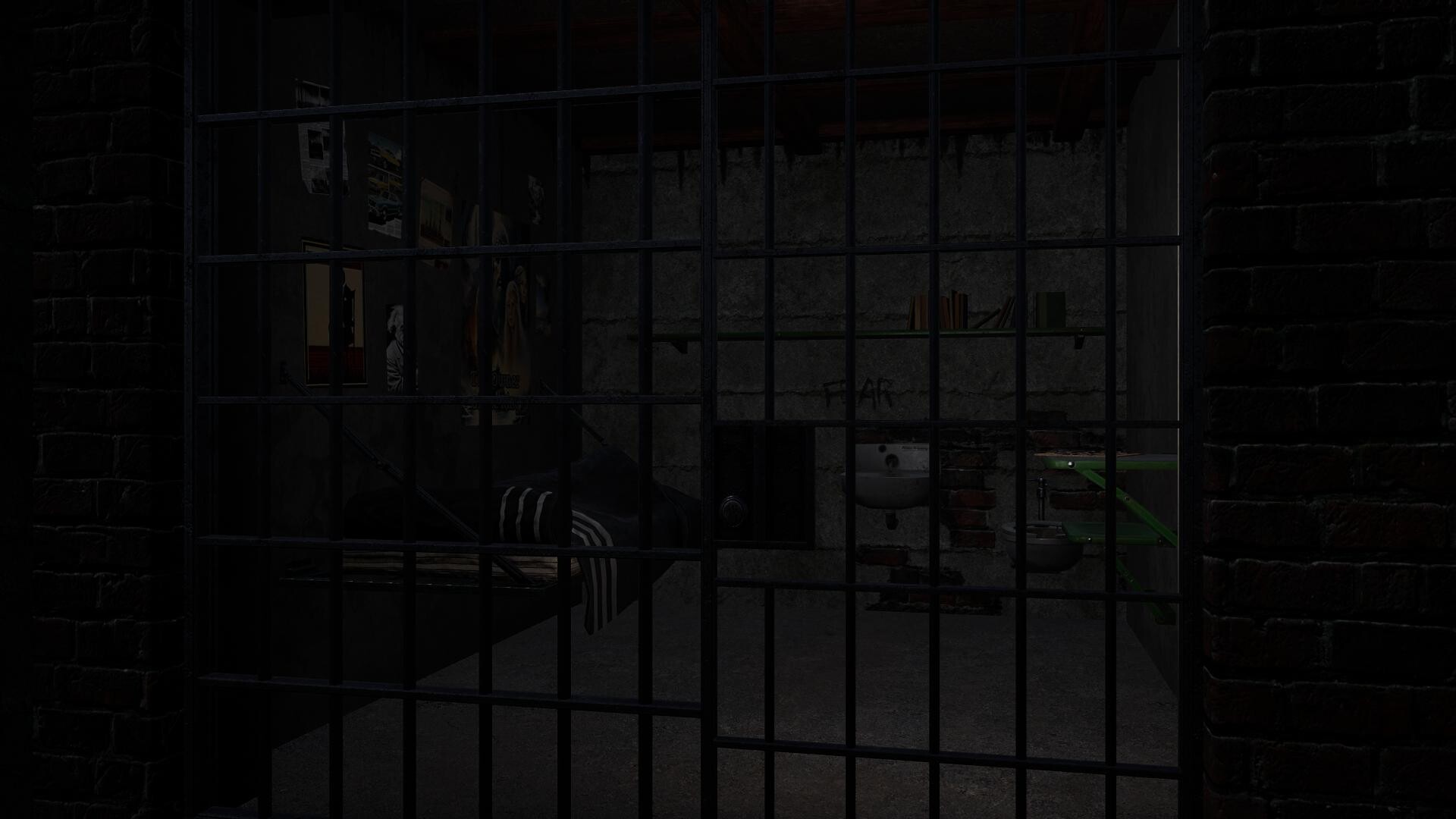
Trace of the Villa is a narrative-focused action/adventure indie on PC where Jin’s investigation of a deliberately forgotten estate unfolds as a series of discoveries. According to the official Steam description, the mansion feels “less abandoned than erased”: furnished rooms, locked doors, personal effects with names and photographs removed. When Jin restores power to the estate, secured systems reactivate, hidden compartments open, and safes yield fragments that point at an organized and concealed operation. The player pieces together a timeline from these artifacts.

When and where — Steam specifics
Trace of the Villa launched on Steam on 28 May, 2026. The official Steam page lists Steadyturtle Co., Ltd. as both developer and publisher and categorizes the experience as Action / Adventure / Indie with single-player and accessibility options. As of the referenced Steam data, there are no user reviews posted yet. For readers in the United States and other English-speaking markets, the Steam store page is the primary place to preview assets and wishlist the title.
Why the theme matters — what the mansion conceals
The core draw is narrative curiosity: instead of direct exposition, Trace of the Villa offers investigative payoff. The house’s erasures — missing photos, anonymized possessions, falsified identities — make the detective work less about solving a single locked-room puzzle and more about reconstructing identity and intent from logistics: encrypted documents, suspicious transfer records, and manifest fragments. That approach makes the story feel like forensic archaeology: slow, methodical, and cumulative.
How you uncover meaning and progress
The official description outlines the player loop: power restoration brings systems back online; hidden compartments and safes become accessible; decrypting fragments and following financial trails reveals a larger operation. Progress comes from interpreting physical clues and connecting dots between falsified records and the arrivals/departures logged in the mansion’s history. Expect environmental storytelling, locked-storage puzzles, and puzzle outcomes that produce new documents and leads rather than immediate cinematic revelations.
Player scenarios — who will enjoy specific aspects
- Story-driven investigators: If you like reading every note and following faint threads that gradually reshape your understanding, you’ll appreciate the slow, forensic reveal.
- Atmosphere-first players: Responds well to someone who prizes mood, deserted interiors, and an unsettling sense of erased identity.
- Puzzle-motivated explorers: If puzzles are meaningful because they unlock narrative fragments (documents, manifests, transfer records), this design will satisfy the itch for clue-based advancement.
- Accessibility-conscious players: With subtitle options, color alternatives, and the ability to play without timed input, it’s approachable for players who want narrative without frenetic timing pressures.
How Trace of the Villa sits beside similar story-mystery games
Use this to decide if the game’s investigative pace is a match: the table below compares Trace of the Villa to selected narrative-mystery and exploration titles based on genre, mystery focus, exploration, puzzle style, pacing, and tone.
| Title | Genre / Focus | Mystery & Story Style | Exploration | Puzzle Style | Pacing / Tone |
|---|---|---|---|---|---|
| Trace of the Villa | Action / Adventure / Indie | Clue-driven forensic mystery; manifests, encrypted fragments, falsified identities | Mansion-bound, environmental storytelling | Unlock compartments, restore systems, decrypt documents | Slow-burn, unsettling, investigative |
| Inscryption | Adventure / Indie / Strategy | Meta, card-based secrets with escape-room elements (inky, atmospheric) | Primarily card-table / confined spaces | Puzzle + deckbuilding hybrid, emergent revelation | Dark, psychological, often surprising |
| Outer Wilds | Action / Adventure | Open-world cosmic mystery about timelines and cause | Solar-system scale exploration | Observation-based environmental puzzles, physics-driven | Curious, contemplative, exploratory |
| Journey | Adventure / Indie | Mystical, minimalist story told through space and motion | Open, sweeping environments | Traversal and visual language rather than explicit puzzles | Poetic, emotional, meditative |
| The Forgotten City | Adventure / Indie / RPG | Narrative time-loop mystery focused on dialogue and consequence | Ancient city with multi-branch exploration | Logic and consequence puzzles tied to time-loop mechanics | Thoughtful, moral, puzzle-focused |
Leave a Reply