
Trace of the Villa — a mansion that remembers everything except the people who lived there
Jin arrives at a decaying, off-the-grid estate following a lead about his missing sister; inside, rooms look inhabited but identities appear stripped away. When he restores power, locked systems and hidden compartments begin to return fragments of encrypted documents and suspicious records, forcing players to read clues and reconstruct what was deliberately erased.

Who is this for?
Trace of the Villa is aimed at players who prize narrative curiosity and methodical discovery over twitch reflexes. If you enjoy atmospheric mystery adventure and story-first mystery design — where the primary fun is assembling a hidden backstory from environmental clues, locked safes, and restored systems — this title fits that appetite. The Steam metadata lists the game as Action / Adventure / Indie and flags accessibility-friendly categories like Playable without Timed Input, Subtitle Options, Color Alternatives, and Custom Volume Controls, which makes it approachable for players who prefer a slower, more deliberate investigative pace.
What the game actually is
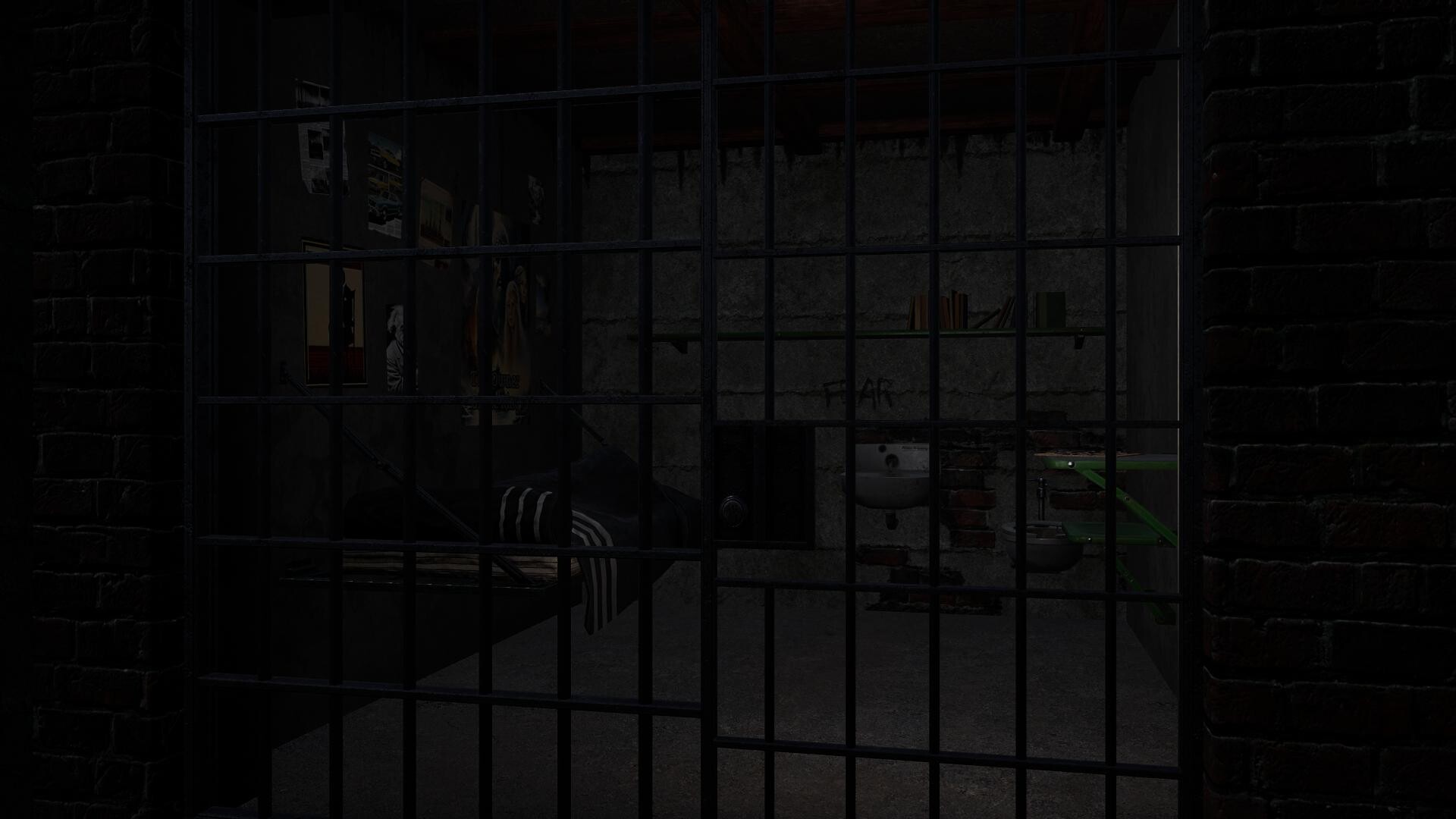
Officially described on Steam, Trace of the Villa follows Jin, who has spent years searching for his missing sister. A lead points him to a remote mansion that appears deliberately forgotten: rooms remain as if the occupants vanished mid-routine, but photographic traces, names, and obvious identity cues are absent. When Jin restores power to the estate, previously secured systems come back online, hidden compartments unlock, and safes yield fragments of encrypted documents and suspicious transfer records. Each solved puzzle reveals another layer of a concealed operation — financial trails that go nowhere, falsified identities, and evidence of people moving through the property under strict control.

When and where
Trace of the Villa released on 28 May, 2026 on Steam. It is developed and published by Steadyturtle Co., Ltd. The Steam store lists it under Action, Adventure, and Indie with Single-player and multiple accessibility/comfort categories enabled.
Why the theme of “erased identity” matters
Games that trade in erased histories and missing records turn the act of reading objects into a mechanical reward. In Trace of the Villa, the emotional weight comes from piecing together what people once were through systems and documents rather than portraits or names. That design choice puts interpretive work in the player’s hands: meaning is not handed over in big expository beats, it is coaxed out of machines, safes, and manifest fragments. For players who find tension in inference, the mansion’s quiet absence is the fuel for sustained curiosity.
How you progress: reading systems, not just rooms
The Steam description explains the core loop clearly: restore estate systems, unlock hidden compartments, decode fragments, and follow a trail of suspicious transfers and falsified identities. Expect investigations that blend environmental storytelling with puzzle-driven progress — solving one locked system tends to reveal documents or logs that point to the next area or lead. That means progression is clue-driven and cumulative: pieces you uncover earlier may change how you interpret data discovered later.
Practical reading tips for players
- Treat restored electronics and safes as narrative nodes — they return documents that reframe rooms rather than simply opening new space.
- Pay attention to omissions as much as inclusions: the Steam blurb stresses missing photographs, names, and histories — absence is a designed clue.
- Expect slow-burn reveals that reward patience and careful note-taking; the game’s categories (Playable without Timed Input, Subtitle Options) support a contemplative playstyle.
Quick facts
| Title | Trace of the Villa |
|---|---|
| Steam AppID | 3483660 |
| Release Date | 28 May, 2026 |
| Developer / Publisher | Steadyturtle Co., Ltd. |
| Genres | Action · Adventure · Indie |
| Key Categories | Single-player, Color Alternatives, Custom Volume Controls, Playable without Timed Input, Subtitle Options, Family Sharing |
How it compares — editorial discovery table
Below is a concise editorial comparison to other story-rich mystery/adventure titles. This is to help you decide if the game’s emphasis on environmental clues and slow narrative revelation matches your tastes.
| Title | Primary genres | Atmosphere / tone | Puzzle / investigation focus | Exploration style | Pacing |
|---|---|---|---|---|---|
| Trace of the Villa | Action, Adventure, Indie | Decaying mansion; erased identities; personal investigation | Clue-driven: restored systems, safes, encrypted documents | Indoor, room-by-room reconstruction of a hidden operation | Slow-burn, investigative |
| Inscryption | Adventure, Indie, Strategy | Dark, uncanny, psychological | Puzzles layered into card mechanics and meta-narrative | Card-room escape structure; meta puzzles | Variable; tense, often compressed |
| Outer Wilds | Action, Adventure | Wonder mixed with melancholy; cosmic mystery | Environmental puzzles tied to discovery and time-loop mechanics | Open, solar-system exploration; player-led curiosity | Explorative and exploratory; gradual reveals |
| The Forgotten City | Adventure, Indie, RPG | Philosophical mystery with moral stakes | Puzzle and narrative mechanics centered on time-loop and choice | Contained city/
Steam pageView Trace of the Villa on Steam YouTube discoveryFor trailer and gameplay discovery, use YouTube search rather than relying on unverified embeds: Find Trace of the Villa trailer and gameplay searches on YouTube. CommentsMore posts |
Leave a Reply