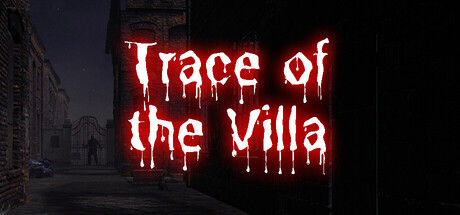
Trace of the Villa — an investigation in slow-burn, clue-driven mansion mystery
Trace of the Villa puts you in Jin’s shoes: a long, personal search for a missing sister leads to a remote, decaying mansion full of manifests, locked systems, and erasures of identity. From the first flicker of power to safes that yield encrypted fragments, the game promises story-first mystery design where meaning is discovered by reading environments and following financial and identity traces.

| Title | Trace of the Villa |
|---|---|
| Release date | 28 May, 2026 |
| Developer / Publisher | Steadyturtle Co., Ltd. |
| Genres | Action, Adventure, Indie |
| Steam categories | Single-player; Color Alternatives; Custom Volume Controls; Playable without Timed Input; Subtitle Options; Family Sharing |
| Official short description | Jin has spent years searching for his missing sister, pursuing leads that took him to a remote, decaying mansion where he recovered manifests and hints that indicate his sister may still be alive, somewhere at the end of the trail he is about to follow. |
| Steam page | View Trace of the Villa on Steam |
Who this is for
Trace of the Villa targets players who prioritize narrative curiosity over instant thrills: folks who enjoy atmospheric mystery adventure, environmental storytelling, and slow-burn suspense. If you value piecing together a timeline from objects, manifests, and encrypted fragments — rather than exposition dumps — this is designed for you. Accessibility-minded players will appreciate that the Steam listing includes Playable without Timed Input, Subtitle Options, and Color Alternatives.
What the game is
At its core, Trace of the Villa is a story-first mystery wrapped in adventure and light action elements. The protagonist, Jin, arrives at an off-grid mansion where signs of occupancy remain but identifying traces have been removed. When power is restored, secured systems come back online, hidden compartments unlock, and safes reveal fragments of encrypted documents and irregular transfer records. The description makes clear the design intent: puzzles and discoveries are arranged to reveal an operation that masked arrivals, departures, and identities.
When & where
Trace of the Villa released on Steam on 28 May, 2026. It’s published and developed by Steadyturtle Co., Ltd. — find it on its Steam store page (link above) for the trailer, screenshots, and platform details.
Why the theme matters
Mansion mysteries trade on absence as much as presence. Trace of the Villa leans into erasure — rooms left mid-routine, personal items without photos or names — creating a psychological claustrophobia that rewards close reading. Thematically, the game connects personal stakes (a missing sister) to broader systems of control hinted at by falsified identities and suspicious transfers, so the mystery has both an intimate and institutional scale.
How players uncover meaning
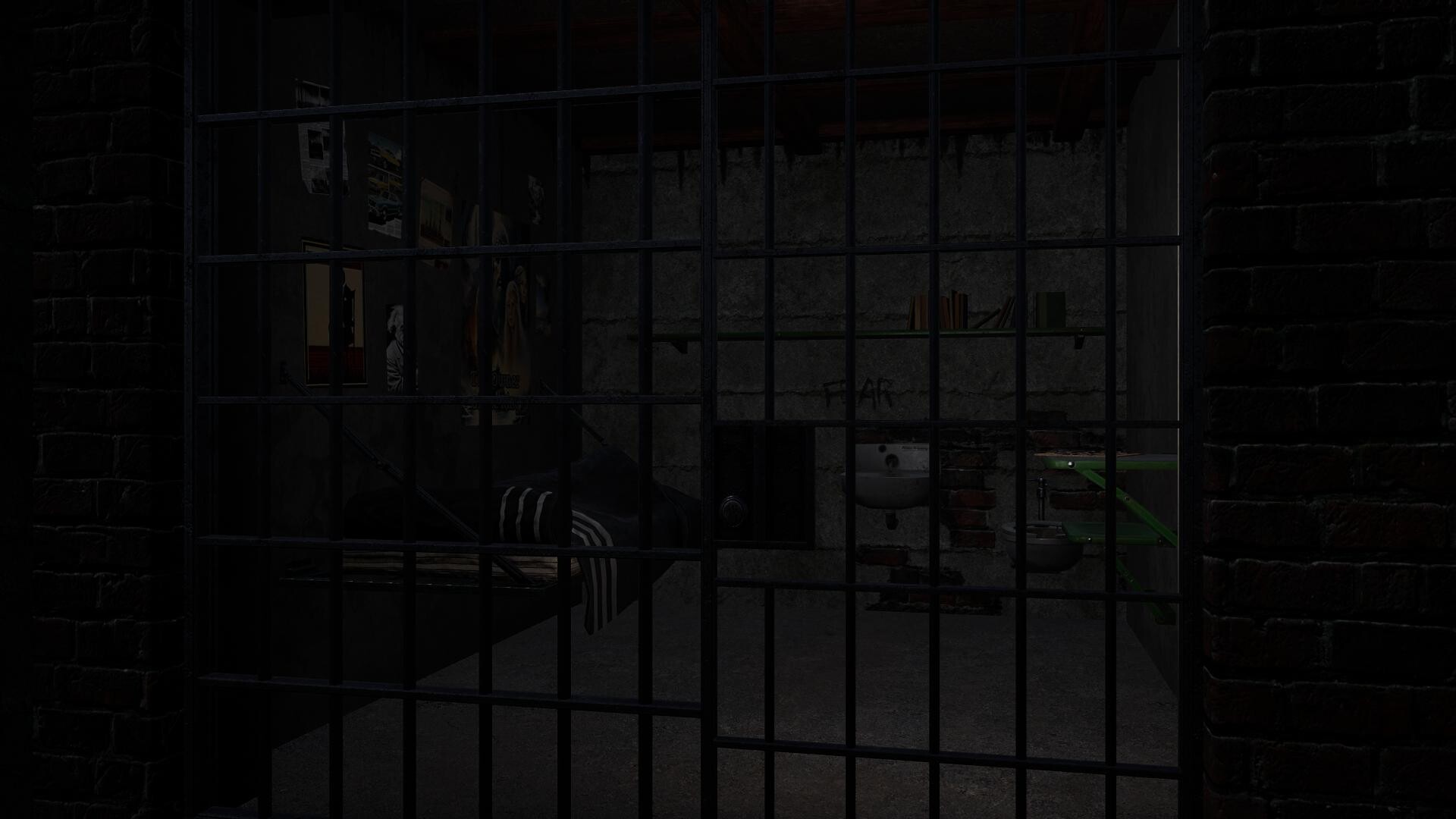
The Steam description outlines the primary investigative loop: restore power, reactivate secured systems, and follow the paper and digital trail. Puzzles are explicit narrative devices — each puzzle solved reveals another layer: encrypted documents, transfer records, and falsified identities. Environmental storytelling is key: furnished rooms with deliberate absences, locked doors that hide hurriedly secured secrets, and networked systems whose reactivation changes what the player can access. Progress is driven by reading fragments, assembling timelines, and making connections between physical and electronic evidence rather than pure combat or platforming skill.

Player scenarios — who should wishlist it
- You’re drawn to slow-burn mansion mysteries where every object could be a clue and the tone is psychological rather than jump-scare horror.
- You prefer story-led puzzles that unlock narrative beats (restoring systems, opening safes, decrypting records) instead of arbitrary fetch quests.
- You care about accessibility options like Playable without Timed Input, subtitles, and color alternatives while still wanting atmospheric exploration on PC.
- You enjoy detective rhythms: assemble fragments, build timelines, and follow institutional breadcrumbs as much as personal ones.
- You want an indie experience that emphasizes environmental storytelling and the slow revelation of a concealed operation rather than action-heavy spectacle.
How it compares — editorial snapshot
| Title | Shared traits | How Trace of the Villa differs |
|---|---|---|
| Inscryption | Inky atmosphere, puzzle-driven reveals, meta-horror elements | Inscryption blends card mechanics and metafiction; Trace focuses on environmental investigation and reactivating systems rather than card-based puzzles or meta-narrative tricks. |
| Outer Wilds | Exploration-led mystery, player-driven discovery, piecing timelines | Outer Wilds is an open-world time-loop about cosmic mystery; Trace is a contained mansion investigation centered on personal stakes, documents, and concealed identities. |
| Journey | Atmospheric pacing, contemplative exploration, emotional undercurrent | Journey is nonverbal and meditative; Trace uses documents, manifests, and locked systems to drive a detective narrative with explicit investigative goals. |
| The Forgotten City | Narrative puzzles, moral stakes, time/sequence-based revelations | The Forgotten City uses temporal mechanics to solve a communal mystery; Trace uses restoration of infrastructure and forensic clues to reveal an opaque operation tied to a personal disappearance. |
| The Medium | Psychological tone, dual-realm exploration, uncovering trauma | The Medium uses spirit-realm mechanics and dual-reality traversal; Trace stays grounded in physical and digital traces within a single location and emphasizes identity erasure over supernatural framing. |
YouTube discovery
If you want a visual sense of tone and pacing, search for trailer and gameplay footage on YouTube: Trace of the Villa trailer & gameplay (YouTube search). This is a search path for available videos; check the Steam store page for the official trailer and first-party assets.
Disclaimer: Referenced titles and trademarks belong to their respective
Leave a Reply