Trace of the Villa and the Quiet Power of an Empty Mansion
Trace of the Villa (Steadyturtle Co., Ltd.) opens like a locked photograph: rooms left mid-routine, systems to be restarted, and a trail of paperwork that refuses to answer. The game—released on 28 May, 2026 on Steam—uses an abandoned manor as its primary instrument of dread, making uncertainty and slow revelation the real antagonists.

Quick facts
| Title | Trace of the Villa |
|---|---|
| Developer / Publisher | Steadyturtle Co., Ltd. |
| Release Date | 28 May, 2026 |
| Genres | Action, Adventure, Indie |
| Steam Categories | Single-player; Color Alternatives; Custom Volume Controls; Playable without Timed Input; Subtitle Options; Family Sharing |
| Steam page | Trace of the Villa on Steam |
Who this is for
Trace of the Villa will appeal to players who prefer slow-burn suspense and investigative pacing over jump scares and constant action. If you enjoy atmospheric mystery adventure, environmental storytelling, and clue-driven exploration—players who like to piece together a narrative by reading manifests, restoring systems, and following evidence—this title aligns with that preference.
What the game is
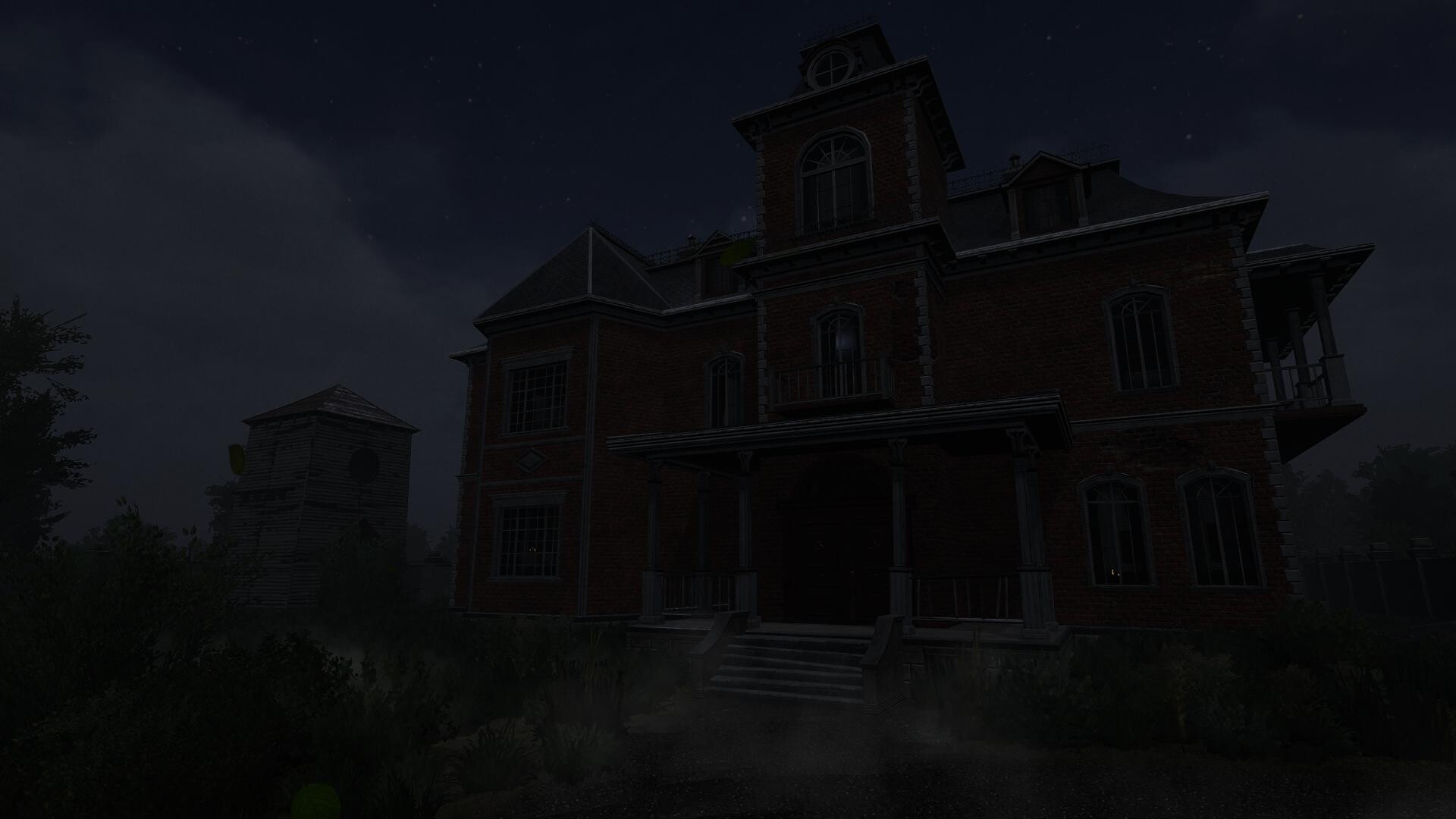
According to its Steam page, the protagonist Jin has spent years searching for his missing sister and follows a lead to a remote, decaying mansion where manifests and hints suggest she may still be alive. Inside the estate, rooms are furnished as if their occupants vanished mid-routine; there are locked doors, undisturbed personal belongings, and missing identifiers that make the place feel erased rather than simply empty. When Jin restores power, secured systems come back online, hidden compartments unlock, and safes yield fragments of encrypted documents and suspicious transfer records—evidence of an operation that treated people as transients rather than residents.
When and where: Steam context
Trace of the Villa released on 28 May, 2026 and is listed on Steam as an Action / Adventure / Indie title. The Steam page includes accessibility categories such as subtitles, custom volume controls and options for players who prefer no timed inputs. The developer and publisher are Steadyturtle Co., Ltd.
Why quiet dread and uncertainty matter more than shock claims
Psychological horror that leans on silence and implication trades in anticipation rather than adrenaline. An empty mansion that feels “erased” forces the mind to fill gaps: Why were identities removed? What do those encrypted transfers conceal? Unlike mechanics that rely on loud cues, an environment that resists explanation produces a sustained tension—your curiosity becomes the engine of fear. That sustained tension is where Trace of the Villa seems to situate itself: not in a parade of scares, but in slow revelation and creeping context that reframes every new discovery.
How you progress: reading clues and restoring the place
Progress is driven by investigation. Official materials show Jin recovering manifests and restoring power to the estate; doing so brings systems and sealed spaces back into play. Hidden compartments, safes and secured systems produce fragments—documents, transfer records, and encrypted material—that form the puzzle loop. Solving environmental puzzles and following financial and logistical traces appears to be the principal way the narrative unfolds, turning exploration into a psychological investigation rather than a combat loop.

Player scenarios — who should wishlist it
- Slow-burn investigators: You prefer games where discovery and paperwork tell most of the story; you don’t need constant threats to stay engaged.
- Atmosphere-first explorers: You value mise-en-scène, lighting and sound design that reward careful observation and patience.
- Puzzle narrativists: You like clue-driven progression—restoring systems, unlocking compartments, decoding documents—as the primary gameplay loop.
- Not ideal for players who want nonstop action: If you want non-stop combat or fast-paced horror set-pieces, the mansion’s hush and methodical reveal may feel slow.
How it compares (editorial discovery)
Below is a focused comparison on lawful editorial criteria—tone, puzzle/exploration focus and pacing—using titles often mentioned in psychological horror discussions. This is discovery, not endorsement.
| Title | Release | Tone / Atmosphere | Puzzle / Exploration | Pacing |
|---|---|---|---|---|
| Trace of the Villa | 28 May, 2026 | Decaying mansion; erased identities; quiet dread | Clue-driven: manifests, encrypted documents, restored systems | Slow, investigative |
| Amnesia: The Dark Descent | 8 Sep, 2010 | Immersion and dread in a gothic environment | Exploration and environmental puzzles anchored to survival | Slow to medium; long builds with tense peaks |
| SOMA | 21 Sep, 2015 | Sci‑fi existential dread beneath the ocean | Exploration, narrative puzzles and philosophical discoveries | Steady, story-first pacing |
| Layers of Fear (2016) | 15 Feb, 2016 | Shifting Victorian mansion; psychological unraveling | Environmental storytelling and room-based puzzles | Variable; can be surreal and disorienting |
| Poppy Playtime | 12 Oct, 2021 | Abandoned factory with tense, toy-focused encounters | Puzzle adventure with gadget mechanics and threat encounters | More action-adjacent, faster beats than slow-burn mystery |
YouTube discovery
If you want trailers or gameplay footage, search resources such as YouTube; a useful search path is: Trace of the Villa trailer &
Leave a Reply