
Trace of the Villa: The case for quiet dread in a mansion mystery
Trace of the Villa places you in a decaying, deliberately forgotten estate where the most unsettling thing is the absence of explanation — an emptiness that presses on the player more than any sudden jump. Released on 28 May, 2026 by Steadyturtle Co., Ltd., it’s a story-rich, slow-burn psychological investigation that trusts silence, missing identities, and small revelations to ratchet tension.

Who, what, when, where, why, and how
Who is this for?
Trace of the Villa is aimed at players who prefer psychological investigation and atmospheric mystery adventure on PC over twitch-based scares. If you enjoy reading environmental cues, methodical puzzle-solving, and a narrative that unfolds through recovered documents and restored systems rather than loud set-pieces, this is the kind of Steam indie horror to keep an eye on.
What is the game?
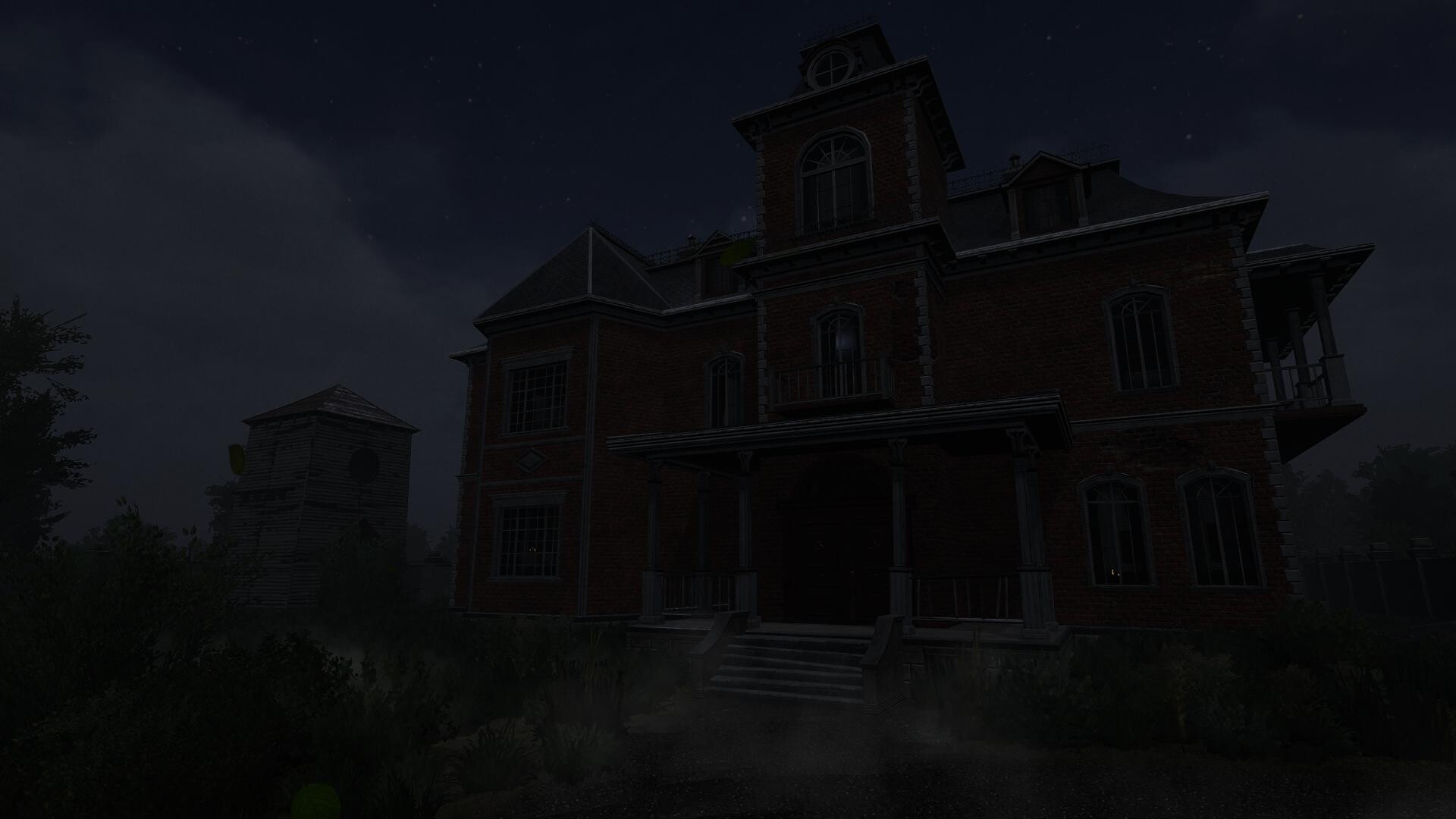
Officially described on Steam, Trace of the Villa follows Jin, who has been searching for his missing sister for years. A lead points him to a remote, decaying mansion where manifests, encrypted documents, and traces of controlled occupancy hint at a larger operation. The mansion reads as if occupants vanished mid-routine: furnished rooms, locked doors, personal items but no photographs or names — an emptiness that drives the psychological tension.
When and where is it available?
Trace of the Villa launched on Steam on 28 May, 2026. It appears on the PC Steam storefront as a single-player title developed and published by Steadyturtle Co., Ltd.
Why the quiet tension matters
Quiet dread works by leaving cognitive gaps for the player to fill. The mansion’s erased identities and carefully concealed systems create persistent uncertainty: who lived here, what was this place used for, and where did the people go? That sustained ambiguity forces players to anticipate explanations and to project their own fears into empty rooms, a much more lasting psychological effect than a brief shock.
How you progress
According to the game’s description, progress comes from restoring power and systems to the estate, unlocking compartments and safes, and piecing together manifests and suspicious transfer records. Each solved puzzle yields fragments of a broader timeline: falsified identities, undocumented arrivals, and departures without witnesses. The approach prioritizes clue-driven exploration and environmental storytelling over combat or horror set-pieces.
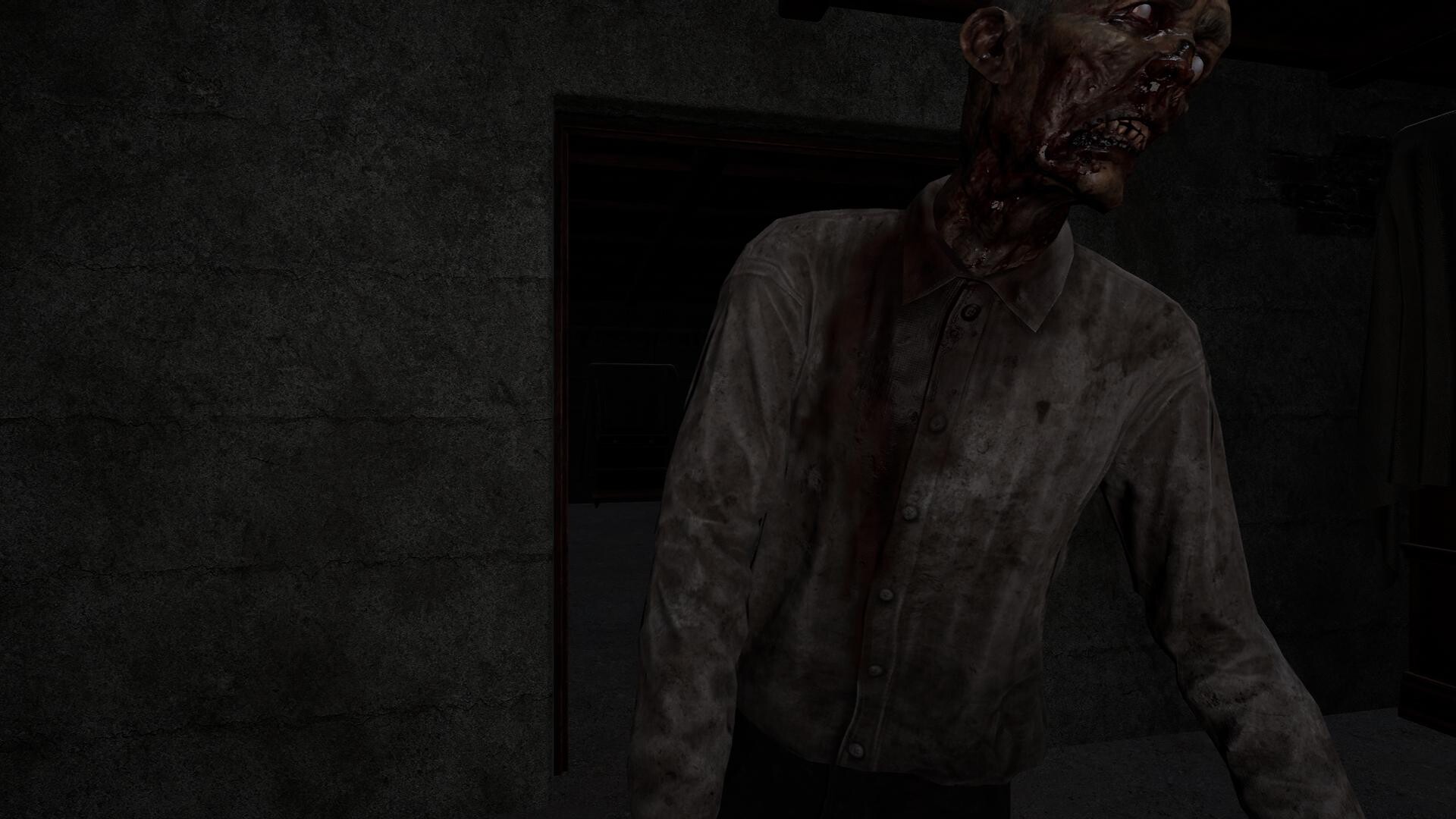
Visuals from the estate
Quick facts
| Title | Trace of the Villa |
|---|---|
| Steam AppID | 3483660 |
| Release date | 28 May, 2026 |
| Developer / Publisher | Steadyturtle Co., Ltd. |
| Genres | Action, Adventure, Indie |
| Categories | Single-player; Color Alternatives; Custom Volume Controls; Playable without Timed Input; Subtitle Options; Family Sharing |
| Short description | Jin searches a remote, decaying mansion and recovers manifests and hints that his missing sister may still be alive at the end of the trail. |
How Trace of the Villa compares to similar atmospheric titles
Below is a focused, editorial comparison on tone, design emphasis, and the type of player likely to enjoy each experience. This is an editorial discovery — not an endorsement — using lawful descriptive criteria.
| Game | Tone / Setting | Design focus | Pacing | Player fit |
|---|---|---|---|---|
| Trace of the Villa | Decaying mansion, erased identities, quiet dread | Clue-driven exploration, restoring systems, narrative puzzles | Slow-burn, investigative | Players who prefer environmental storytelling and psychological uncertainty |
| Amnesia: The Dark Descent | Claustrophobic, gothic castle atmosphere | Immersion and survival mechanics tied to sanity and hiding | Tense, intermittent spikes of threat | Players who accept survival mechanics and high-tension encounters |
| SOMA | Underwater sci-fi, existential unease | Philosophical storytelling, environmental puzzles, narrative weight | Slow and reflective with occasional threats | Players who want story-heavy, existential horror with puzzle moments |
| Layers of Fear (2016) | Shifting Victorian mansion, personal madness | Psychological storytelling through changing environments | Unsettling, often surreal pacing | Players who enjoy unreliable reality and atmosphere-led scares |
| Poppy Playtime | Abandoned factory with uncanny toys | Puzzle-platformer elements with tension and set-piece threats | Faster, encounter-driven | Players who prefer puzzle action and more explicit threats |
Player scenarios — is this for you?
- If you like slow-burn puzzles: You’ll appreciate how restoring power and unlocking safes turns discovery into a reward loop rather than a single scare.
- If you favor environmental storytelling: The mansion’s staged emptiness — furnished rooms with missing identities — is designed to provoke inference and hypothesis rather than hand-hold the plot.
- If you want steady tension, not jump scares: Trace of the Villa builds unease through implication, documents, and systems that suggest human control and erasure.
- If you prefer combat or frequent threat encounters: The game’s emphasis on investigation and narrative puzzle design may feel too quiet; consider other titles that foreground survival mechanics.
Where to watch trailers and more
Search YouTube for trailers and gameplay footage to see how the mansion and systems look in motion: Trace of the Villa — YouTube search. Note: this is a discovery path; specific videos should be verified individually for official status.
Wishlist / Steam CTA
If the idea of an erased household and methodical uncovering of a hidden operation appeals to you, add Trace of the Villa to your Steam wishlist:
Disclaimer: Referenced titles and trademarks belong to their respective owners. Comparisons above are editorial discovery only.
Leave a Reply