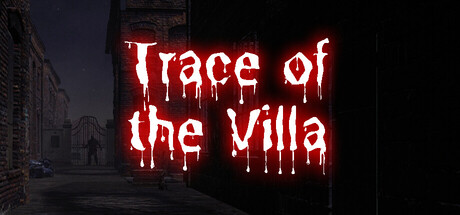
Trace of the Villa: why quiet dread and the empty mansion matter more than cheap shocks
Trace of the Villa positions you inside a decaying, deliberately forgotten mansion where every powered light and unlocked safe teases a missing piece of a larger conspiracy. Its slow unraveling — restoring power, finding manifests and encrypted documents, and following Jin’s trail for his missing sister — trades jump scares for a sustained, psychological pressure that stays with you after you close the game.

Who this is for
If you prefer slow-burn suspense and environmental storytelling over non-stop action, Trace of the Villa is aimed at you. Players who like methodical clue-driven exploration, narrative puzzle design, and a tension that accumulates through absence and implication — rather than loud, frequent shocks — should consider wishlisting it on Steam.
What the game is
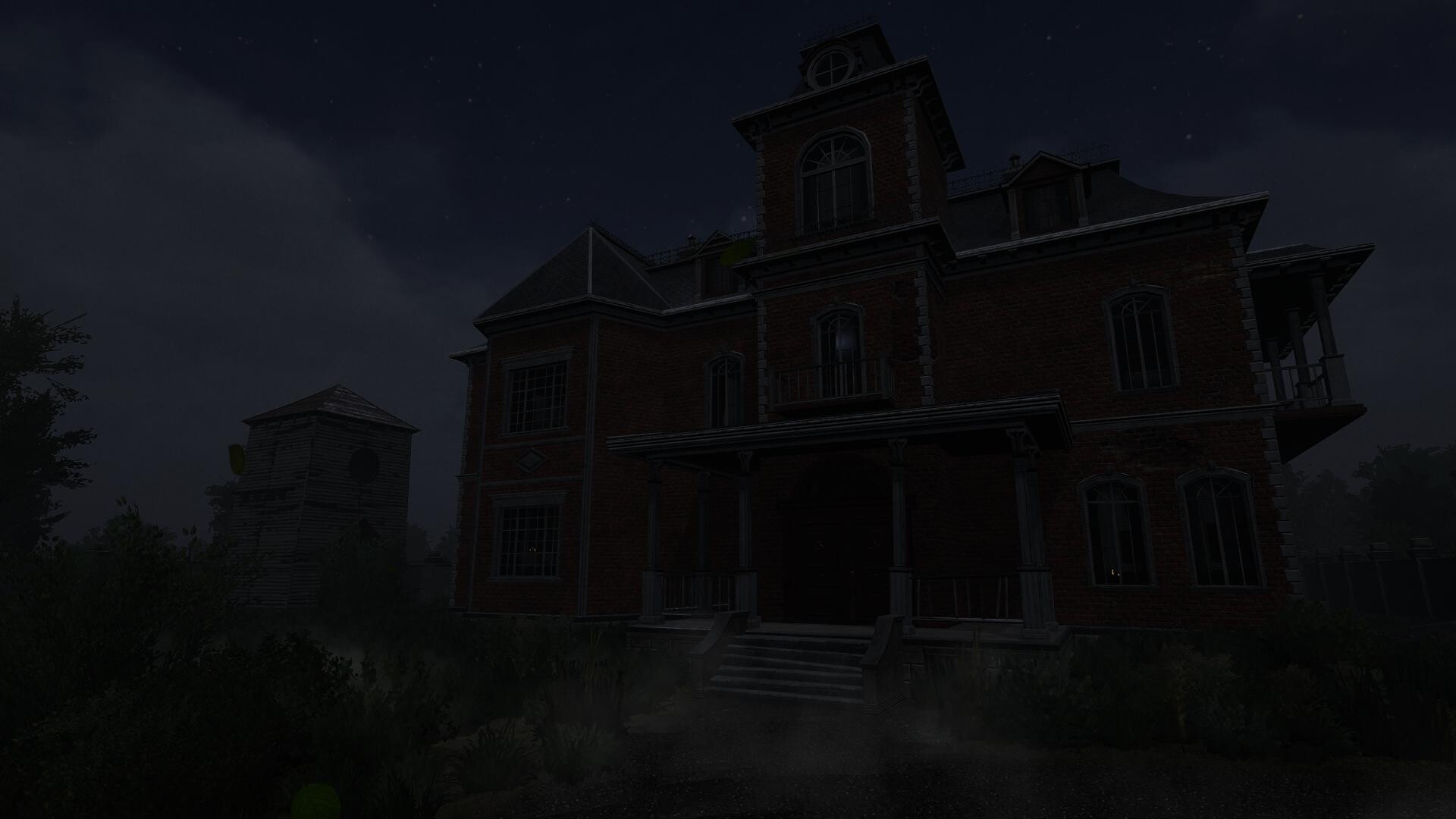
Trace of the Villa is an action-adventure indie on Steam in which the protagonist Jin investigates a remote, decaying mansion after years of searching for his missing sister. The official Steam description makes the premise and approach clear: rooms appear “erased,” personal identifiers are missing, and restoring the estate’s systems reveals encrypted fragments, safes, and financial trails that suggest a larger, concealed operation. The experience foregrounds exploration and discovery within a mansion that feels less abandoned than deliberately emptied.
When and where
Trace of the Villa released on 28 May, 2026 and is available on Steam for PC. Developer and publisher credit on the store page goes to Steadyturtle Co., Ltd.
Why quiet tension and uncertainty matter here
Psychological horror works on two registers: what it shows, and what it refuses to show. Trace of the Villa leans hard on refusal — missing photographs, scrubbed records, and rooms frozen mid-routine are not only set-dressing but psychological tools. When a game design removes confirmation (no names, no clear ownership, partial records), players supply the missing pieces themselves. That cognitive filling-in produces dread that is harder to extinguish than a sudden jump: uncertainty creates a horizon of possible threats rather than a single revealed enemy.
How you progress — the investigation loop
The store copy outlines a clear investigation loop: restore power to the mansion’s systems, open previously sealed compartments, decrypt fragments, and follow financial and logistical clues. Puzzles and locked safes yield narrative fragments that change your understanding of who passed through the estate and why. Mechanically, this is less about reaction-based chases and more about interpretation — reading the environment, assembling timelines, and letting each unlocked item refocus your suspicion.
Compact facts — Trace of the Villa
| Title | Trace of the Villa |
|---|---|
| Steam AppID | 3483660 |
| Release date | 28 May, 2026 |
| Developer / Publisher | Steadyturtle Co., Ltd. |
| Genres | Action, Adventure, Indie |
| Key categories | Single-player; Color Alternatives; Custom Volume Controls; Playable without Timed Input; Subtitle Options; Family Sharing |
| Premise (short) | Jin follows a lead to a remote mansion where manifests and hints suggest his sister may still be alive. |
Screenshot glimpses

Who should wishlist it — specific player scenarios
- If you like slow-burn mysteries: You’ll appreciate a mansion that reveals its story in fragments and forces you to connect dots rather than hand them to you.
- If you prefer puzzle-driven narrative: The game’s emphasis on encrypted documents, safes, and restored systems suggests meaningful puzzle rewards tied to story beats.
- If you want tense exploration without constant combat: The official description frames the estate as erased rather than actively hostile — a setting that cultivates paranoia through absence.
- If you want immediate, action-led horror: This is likely not targeted at players seeking nonstop chases or frequent jump scares; the mood here is reflective and cumulative.
How it compares — short editorial table
| Title | Primary focus | Setting / tone | Puzzle & exploration style | Pacing / player fit |
|---|---|---|---|---|
| Trace of the Villa | Psychological investigation, environmental storytelling | Decaying, remote mansion; erased identities | Clue-driven: restore systems, open safes, decrypt documents | Slow-burn; for players who prefer inference over shocks |
| Amnesia: The Dark Descent | Immersion and survival horror | Gothic, claustrophobic castle; immediate existential dread | Exploration with mechanics that punish exposure and encourage stealth | High tension; sustained dread and active threat (first-person survival) |
| SOMA | Sci-fi horror that questions existence | Underwater research facility; philosophical and oppressive | Story-driven exploration with puzzle and survival elements | Slow-to-moderate pacing; heavy on narrative and atmosphere |
| Layers of Fear (2016) | Psychological, story-first mansion horror | Victorian mansion, surreal and ever-shifting | Exploration tied to changing environments and storytelling | Slow-burn, art-focused descent into madness |
| Poppy Playtime | Horror/puzzle with tense set pieces | Abandoned toy factory; colorful but uncanny | Puzzle tools combined with timed threats and platform elements | Faster tempo; more set-piece encounters and threat-driven tension |
YouTube discovery
If you want to see trailers or clip-based playthroughs, search for Trace of the Villa trailers and gameplay on YouTube: Trace of the Villa trailers & gameplay (YouTube search). This link is provided as a discovery path — individual videos should be verified for official status.
View Trace of the Villa on Steam
Referenced titles and trademarks are the property of their respective owners. Comparisons in this article are editorial discovery and not endorsements or claims of superiority.
Leave a Reply