Trace of the Villa: why quiet dread and an empty mansion matter more than shock claims
Trace of the Villa leans on slow-burn tension: a protagonist named Jin walks into a decaying, deliberately forgotten mansion and uncovers manifests, encrypted records, and rooms frozen mid‑routine. The game’s strength is the uncertainty that grows with each restored circuit and opened safe, not a parade of jump scares.

Quick facts
| Title | Trace of the Villa |
|---|---|
| Steam appid | 3483660 |
| Release date | 28 May, 2026 |
| Developer / Publisher | Steadyturtle Co., Ltd. |
| Genres | Action, Adventure, Indie |
| Categories | Single-player; Color Alternatives; Custom Volume Controls; Playable without Timed Input; Subtitle Options; Family Sharing |
| Short premise | Jin searches a remote, decaying mansion for clues that his missing sister may still be alive. |
Who this is for
Players who prefer atmospheric mystery adventure and psychological investigation over loud, reflex-based scares. If you enjoy environmental storytelling, clue-driven exploration, and unspooling a timeline bit by bit, Trace of the Villa is aimed at that audience. The Steam categories show it as a single-player indie adventure with accessibility options like subtitle support and customizable controls—useful if you want to sink into narrative detail without gimmicks.
What the game is
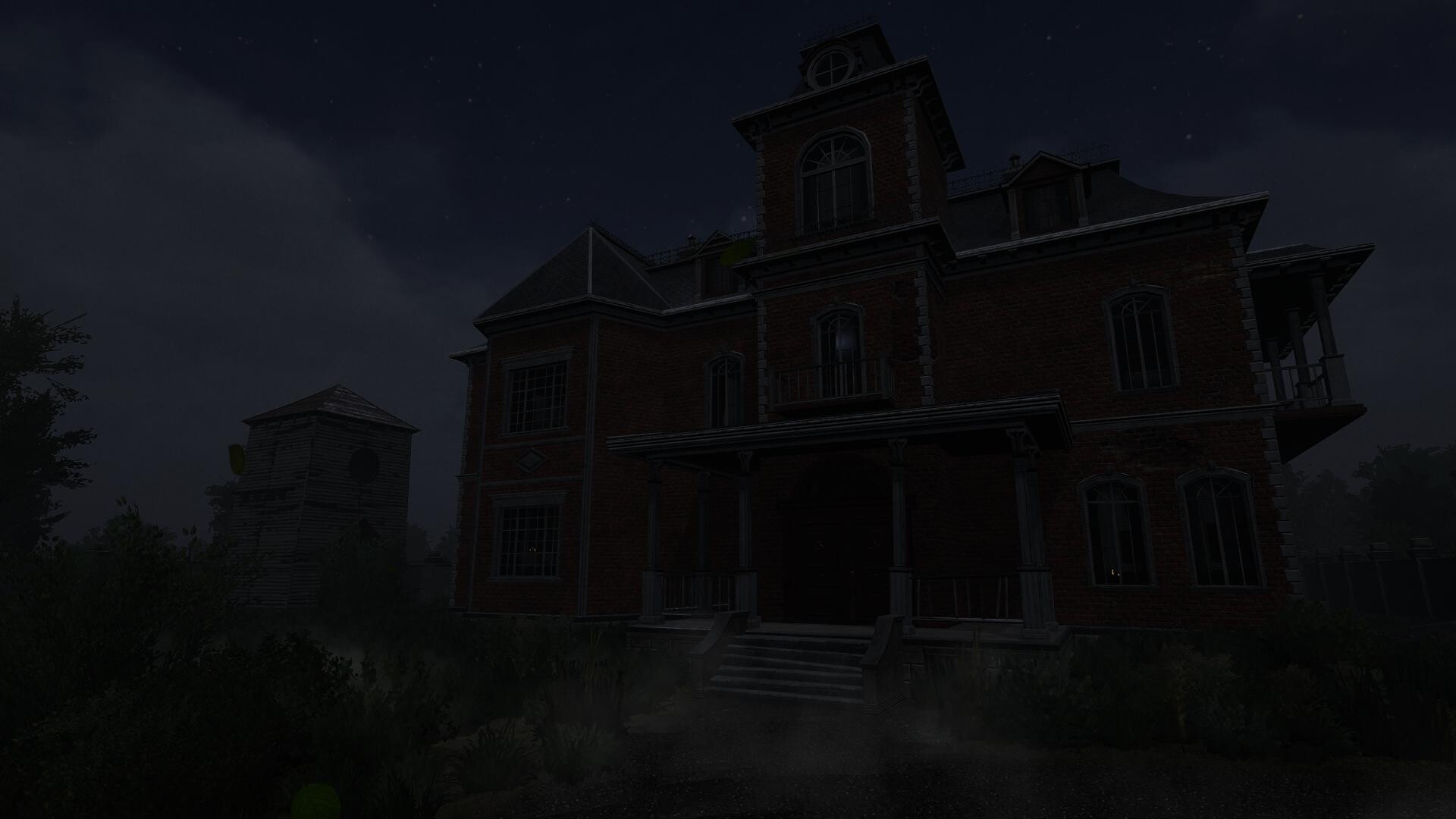
According to the official Steam page, Jin follows leads to a remote mansion cut off from the grid. The house appears “erased”: furnished rooms with no names or photographs, locked doors, hastily secured secrets. When Jin restores power, secured systems come back online, hidden compartments unlock, and safes yield fragments of encrypted documents and suspicious transfer records. The narrative threads point to falsified identities and people moved through the estate under strict control—elements that shape a psychological, investigative tone rather than pure survival horror spectacle.

When and where
Trace of the Villa released on Steam on 28 May, 2026. It is published and developed by Steadyturtle Co., Ltd., and listed on Steam as an Action / Adventure / Indie single-player title with accessibility options noted on the store page.
Why quiet tension and uncertainty matter
Psychological dread thrives on missing pieces. An empty mansion that looks lived-in but denies identity creates a chronic, low-level unease: the player supplies motives for the absence, and that cognitive work is more lasting than the transient spike of a jump scare. Trace of the Villa’s premise—erased identities, encrypted documents, movements that leave no witnesses—positions uncertainty as the central mechanic. Each revealed ledger or restored lightbulb shifts the player’s expectations and invites reinterpretation, so tension becomes an evolving state rather than a series of shocks.
How you progress: reading clues and pacing
The official description makes clear that progression is investigative: restoring power brings systems back online, unlocking new areas and information; safes and encrypted documents provide puzzle fragments that link to a wider pattern. That suggests a loop of observation → restoration → document/puzzle → reinterpretation. From a design perspective, this favors slow pacing and layered reveals—players who enjoy cataloguing evidence and letting the narrative cohere over hours will get the most from the experience.
Player scenarios — who should wishlist this
- Scenario A: You like slow-burn psychological titles where atmosphere and discovery matter more than combat. You’ll appreciate an estate that feels like a sealed case file.
- Scenario B: You enjoy narrative puzzle design—piecing together a timeline from manifests, encrypted fragments, and financial oddities.
- Scenario C: You want an exploration-first experience with accessibility options (subtitles, custom volume controls) and single-player pacing.
- Scenario D: You prefer jump-scare driven horror and chase sequences—this may not scratch that itch as strongly, given the investigative framing.
How it compares (editorial discovery)
Below is a compact comparison with nearby titles chosen for shared themes: psychological tension, exploration, and investigative pacing. This is a lawful editorial comparison based on genre, atmosphere, puzzle focus, exploration style, story tone, and pacing as described on each game’s Steam page or official descriptions.
| Game | Genre(s) | Atmosphere / Tone | Puzzle vs Survival | Exploration style | Notable release |
|---|---|---|---|---|---|
| Trace of the Villa | Action, Adventure, Indie | Slow-burn, investigative, emptiness and erased identities | Puzzle and clue-driven (restoring systems, encrypted records) | Indoor mansion, environmental storytelling | 28 May, 2026 |
| Amnesia: The Dark Descent | Action, Adventure, Indie | Immersive, terror through helplessness and discovery | Survival-horror with puzzle elements | First-person, labyrinthine spaces | 8 Sep, 2010 |
| SOMA | Action, Adventure, Indie | Sci‑fi existential dread, questioning identity | Survival-suspense with narrative puzzles | Structured levels with investigative beats | 21 Sep, 2015 |
| Layers of Fear (2016) | Adventure, Indie | Psychological, hallucinatory mansion-based story | Narrative puzzles, environment-based reveals | Walking-sim
Steam pageView Trace of the Villa on Steam YouTube discoveryFor trailer and gameplay discovery, use YouTube search rather than relying on unverified embeds: Find Trace of the Villa trailer and gameplay searches on YouTube. CommentsMore posts |
Leave a Reply