
Trace of the Villa — why quiet dread and the unknown matter more than cheap shocks
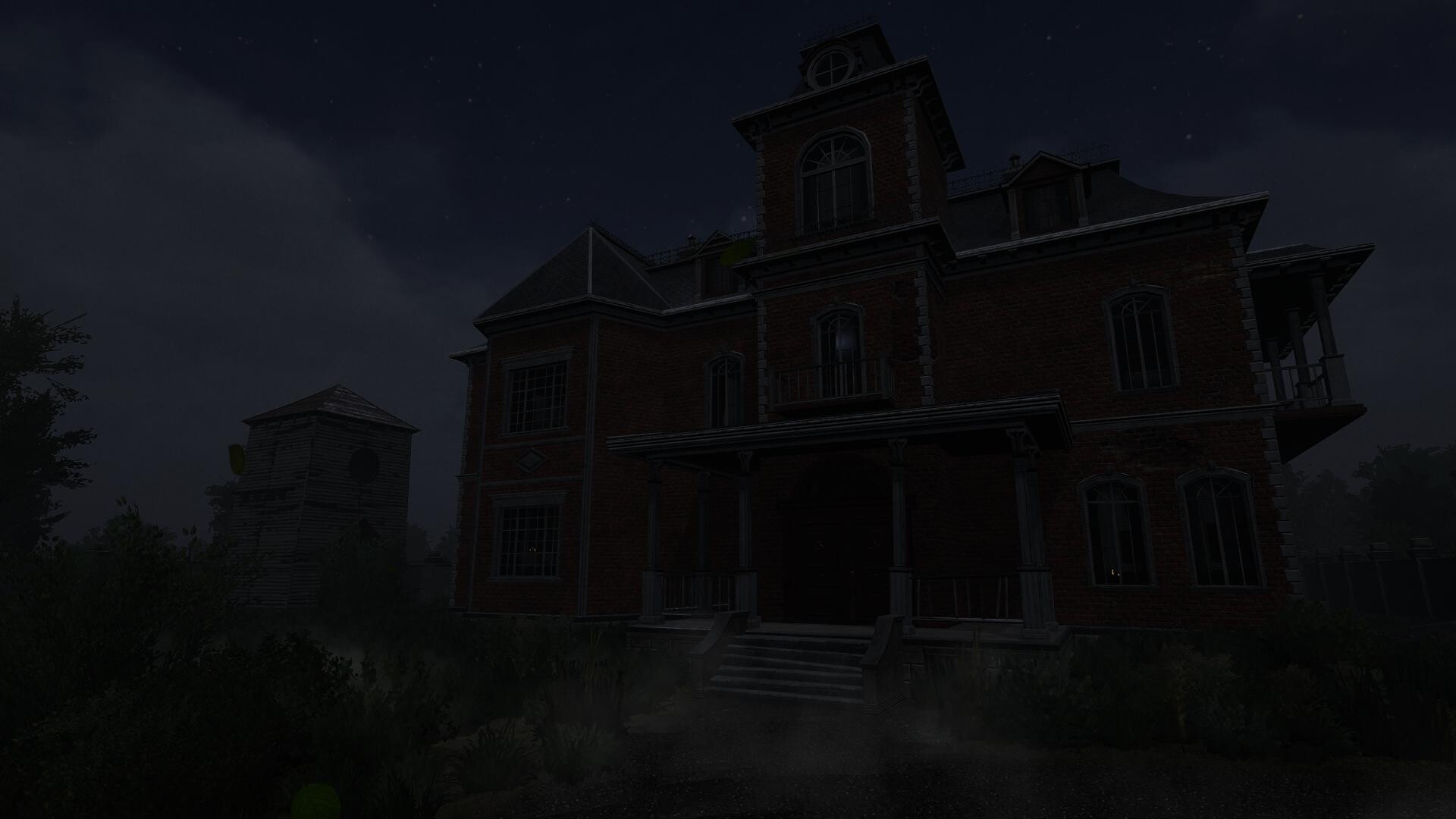
Trace of the Villa arrives on Steam on 28 May, 2026 as a slow-burning, clue-driven mystery set inside a remote, decaying mansion. Developed and published by Steadyturtle Co., Ltd., it trades jump scares for an atmosphere of erasure — the kind of silence that asks more questions than it answers.

Who: who should wishlist Trace of the Villa?
This is for players who prefer slow-burn suspense and environmental storytelling over relentless action. If you like atmospheric mystery adventure, methodical exploration, or story-rich puzzle design — and you enjoy being unsettled by absence and implication rather than constant loud shocks — Trace of the Villa is aimed at you. It also fits single-player PC players who value subtitle options, custom volume controls, and the ability to play without timed input.
What: what the game is (in plain terms)
Officially, Trace of the Villa follows Jin, who has spent years searching for his missing sister. A lead takes him to a remote, deliberately forgotten mansion where manifests and other hints suggest his sister might still be alive. Inside, rooms sit as if their occupants vanished mid-routine; identities feel removed. When Jin restores power, secured systems come back online, hidden compartments open, and safes yield fragments of encrypted documents — financial traces, falsified identities, and a pattern of arrivals and departures masked under strict control. The game positions exploration and investigation at the heart of its tension.
When and where: availability and context
Trace of the Villa released on Steam on 28 May, 2026. It appears on the Steam storefront as an Action/Adventure/Indie title and is presented for PC discovery alongside single-player and accessibility-oriented categories such as Color Alternatives, Custom Volume Controls, and Subtitle Options.
Why the psychology of an empty mansion matters
Many horror experiences default to loud cues that force an immediate reaction. Trace of the Villa instead exploits a quieter, more insidious brand of dread: uncertainty created by absence. A furnished room with no photographs or names becomes a psychological puzzle in itself — the missing personal markers force your brain to invent possibilities. Restoring power to a house and watching systems incrementally reveal secrets taps into investigative curiosity, but also into an alienation that feels more lasting than a single jump scare. That lingering uncertainty sustains tension between moments of discovery, making each small reveal register more profoundly.
How you progress: clues, puzzles and revealed systems
Progress in Trace of the Villa is clue-driven. You recover manifests and hints, restore estate power, unlock compartments and safes, and piece together encrypted records. The game’s pacing is built around restoring systems and gradually exposing a concealed operation — a layered approach that uses environmental detail and recovered documents to change your perception of previously empty spaces.
Specific player scenarios — will it suit you?
- If you like patient, investigative play: Expect to spend time reading manifests, following financial traces and rotating between rooms as new systems come back online. The payoff is cumulative rather than instant.
- If you want a high-tempo chase or combat: Trace of the Villa emphasizes atmosphere and puzzles; it is not positioned as an action-heavy survival romp.
- If you value environmental storytelling: The mansion’s staged absence of identity — no photos, no names — turns furniture and objects into clues. Players who enjoy piecing narrative from fragments will find this rewarding.
- If you dislike timed quick-input sequences: The Steam categories list Playable without Timed Input, which supports a more measured approach to exploration.
Compact facts: Trace of the Villa
| Title | Trace of the Villa |
|---|---|
| Developer / Publisher | Steadyturtle Co., Ltd. |
| Release date | 28 May, 2026 |
| Genres | Action, Adventure, Indie |
| Key categories | Single-player; Color Alternatives; Custom Volume Controls; Playable without Timed Input; Subtitle Options; Family Sharing |
| Short premise | Jin searches a remote, decaying mansion for signs of his missing sister, recovering manifests and encrypted records as he restores the estate’s systems. |
| Steam page | View Trace of the Villa on Steam |

Comparison: where Trace of the Villa sits among slow-burn horror and mystery
Below is an editorial comparison on atmosphere, exploration style, puzzle focus and pacing. This is not a ranking; it’s meant to help you decide which tone and structure fit your tastes.
| Title | Tone / Atmosphere | Exploration / Pacing | Puzzle Focus | Story Style | Best for |
|---|---|---|---|---|---|
| Trace of the Villa | Quiet dread, erased identities, investigative hush | Clue-driven, methodical restoration of systems | Environmental puzzles, document-based decryptions, unlocking compartments | Slow-reveal conspiracy through manifests and records | Players who prefer slow-burn mystery and atmosphere over jump scares |
| Amnesia: The Dark Descent | Relentless dread and helplessness | First-person immersion with tense pacing | Light environmental puzzles mixed with stealth/survival elements | Personal horror and psychological immersion | Players looking for immersive terror and vulnerability |
| SOMA | Philosophical, claustrophobic sci-fi dread | Exploration-heavy with atmospheric pacing | Puzzle and survival elements integrated into narrative | Existential narrative that questions identity | Players who want story-driven sci-fi horror with moral questions |
| Layers of Fear (2016) | Surreal, ever-shifting Victorian mansion atmosphere | Fragmented, director-driven pacing with room-based reveals | Environmental puzzles tied to narrative progression | Psychological unraveling and artistic obsession | Players who enjoy unstable environments and surreal narrative twists |
| Poppy Playtime | Tense, toy-factory menace with sharper spikes | Puzzle-adventure with episodic set-pieces | Mechanic-driven puzzles (YouTube discoveryFor trailer and gameplay discovery, use YouTube search rather than relying on unverified embeds: Find Trace of the Villa trailer and gameplay searches on YouTube. CommentsMore posts |
Leave a Reply