Trace of the Villa: The psychology of an empty mansion
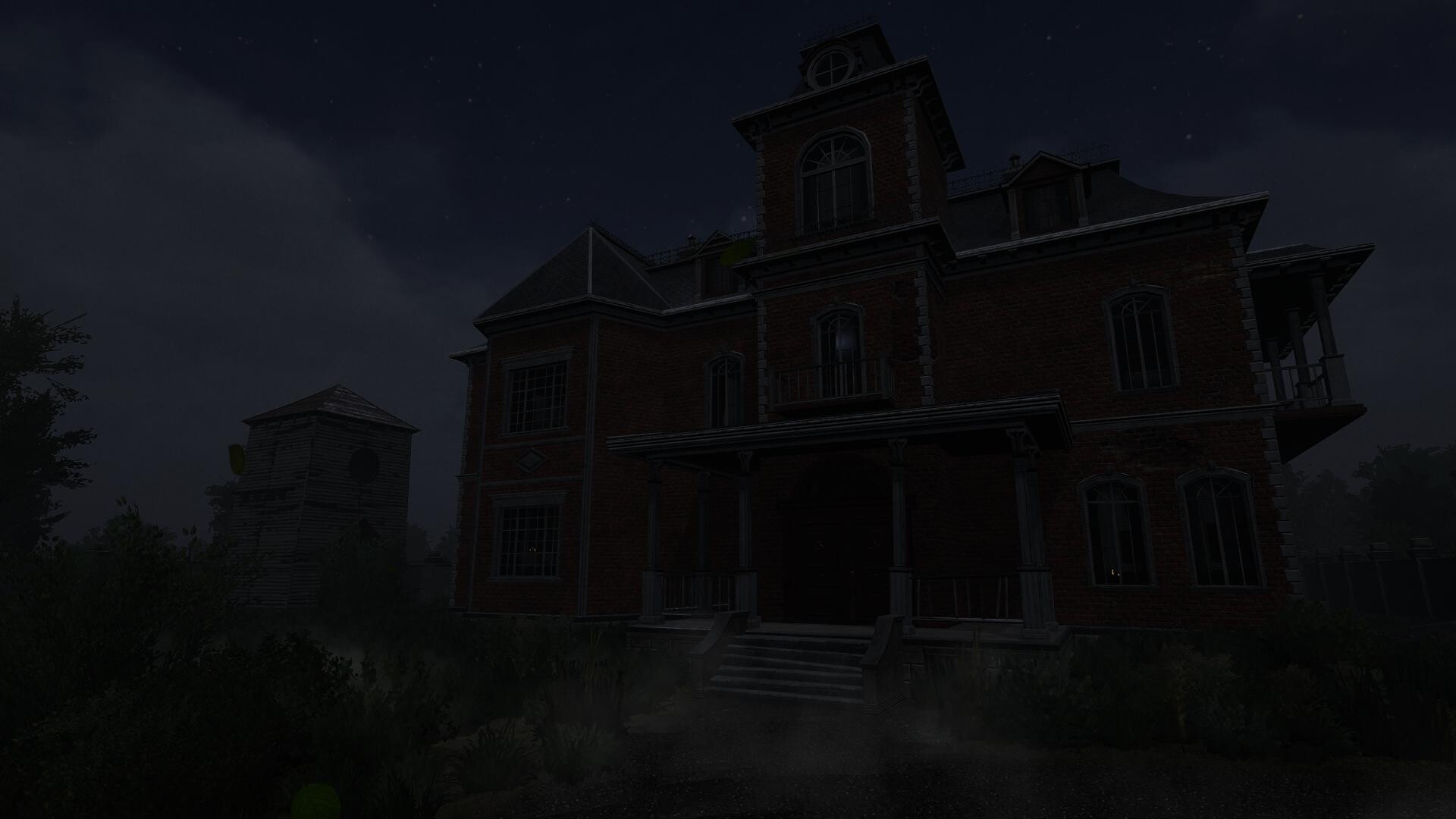
Trace of the Villa places you inside a remote, decaying mansion where the silence is the point: Jin’s search for a missing sister leads to rooms that feel erased of identity and systems that only reveal themselves when power is restored. The game’s slow, clue-driven investigation trades jump scares for accumulating dread—every unlocked safe and recovered manifest tightens the mystery rather than resolves it outright.

Quick facts
| Title | Trace of the Villa |
|---|---|
| Release date | 28 May, 2026 |
| Developer / Publisher | Steadyturtle Co., Ltd. |
| Steam app ID | 3483660 |
| Genres | Action, Adventure, Indie |
| Categories / accessibility | Single-player; Color Alternatives; Custom Volume Controls; Playable without Timed Input; Subtitle Options; Family Sharing |
| Platform | Steam / PC |
Who should wishlist this
If you favour slow-burn suspense and environmental storytelling over twitch reflexes, Trace of the Villa is aimed at you: players who enjoy methodical clue-gathering, narrative puzzle design, and a mood that builds tension via absence rather than spectacle. The presence of subtitle options, custom volume controls and “playable without timed input” in the Steam categories signals the team has considered accessibility for investigative players who prefer deliberate pacing.
What the game is — atmosphere and premise
Officially described on Steam as a story about Jin searching for his missing sister, the game starts with a lead that brings him to “a property cut off from the grid and deliberately forgotten.” Rooms are furnished as if their occupants vanished mid-routine; identities seem stripped away. When Jin restores power to the estate, secured systems come back online, hidden compartments unlock, and safes yield fragments of encrypted documents and suspicious transfer records. The effect is less a series of shocks and more an unfolding portrait of a concealed operation.
When and where
Trace of the Villa released on 28 May, 2026 on Steam. The store page lists Steadyturtle Co., Ltd. as both developer and publisher.
Why quiet tension and uncertainty matter
Psychological horror that leans on absence—empty photographs, missing names, rooms left mid-task—creates a different mental workload for players than constant jump-scare design. Uncertainty forces interpretation: small, ambiguous details become evidence you must weigh. That cognitive engagement sustains dread between beats, so the horror becomes a slow accumulation of meaning rather than a sequence of spikes. Trace of the Villa uses this approach by turning technical systems (power, safes, encrypted manifests) into narrative levers—restoring power is not just a gameplay event but a signal that the house will start to reveal what it had been concealing.
How you progress — reading the house
The Steam description frames progression as clue-driven: recover manifests and hints, restore systems, and piece together encrypted fragments. Expect exploration that rewards attention to environment and inventory-focused puzzle solving rather than timed combat. The game’s categories (Single-player, Subtitle Options, Playable without Timed Input) support a contemplative playstyle where solving puzzles and following financial and identity trails is the main engine of discovery.
Player scenarios
- The puzzle-driven investigator: You like following forensic trails—manifests, encrypted fragments, and safes—and interpreting what partial records imply.
- The atmosphere-first player: You prefer games where mood is constructed by negative space: missing photos, quiet corridors, and a slow unpeeling of context.
- The accessibility-conscious explorer: You value subtitle options and non-time-pressured mechanics; the game’s Steam categories suggest a measured pace.
- The narrative completionist: You’re motivated by assembling timelines and motives from documents rather than combat or jump-scare sequences.
How it compares to nearby psychological horror
Below is a focused editorial comparison on lawful criteria—genre, atmosphere, puzzle emphasis, exploration style, and pacing—to help decide if Trace of the Villa fits your tastes.
| Title | Release | Genre / Tone | Atmosphere & Pacing | Puzzle / Exploration |
|---|---|---|---|---|
| Trace of the Villa | 28 May, 2026 | Action / Adventure / Indie — mansion mystery, psychological investigation | Slow-burn, empty-house dread; tension built by absence and restored systems | Clue-driven: manifests, encrypted fragments, unlocking safes and systems |
| Amnesia: The Dark Descent | 8 Sep, 2010 | Action / Adventure / Indie — immersive survival horror | Immersion-first, oppressive and claustrophobic; pacing that alternates quiet dread with tense sequences | Exploration and survival mechanics that emphasize vulnerability and immersion |
| SOMA | 21 Sep, 2015 | Action / Adventure / Indie — sci-fi existential horror | Atmospheric and melancholic; pacing that foregrounds narrative and philosophical unease | Exploration and narrative puzzle design with a focus on story-driven discovery |
| Layers of Fear (2016) | 15 Feb, 2016 | Adventure / Indie — first-person psychological horror | Surreal, ever-shifting mansion set-piece; storytelling through changing environments | Environmental puzzles that fold into a character-driven descent into madness |
| Poppy Playtime | 12 Oct, 2021 | Action / Adventure / Indie — horror/puzzle adventure | High-concept toy-factory horror with a mixture of tense set pieces and exploration | Puzzle-focused sections that use devices (GrabPack) to manipulate the environment |
YouTube and trailer discovery
If you want to see footage or trailers, search YouTube for Trace of the Villa gameplay and trailers: Trace
Leave a Reply