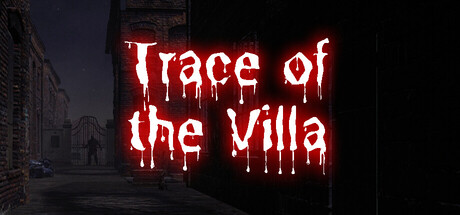
Trace of the Villa and the Power of Quiet Dread
Trace of the Villa trusts silence more than sudden scares: a decaying mansion, a missing sister, and a slow, nerve-tightening unraveling of secrets. Rather than trading in jump scares, the game leans on environmental storytelling, clipped paperwork, and the unnerving sensation that someone — or something — has been erased from a place that still looks lived-in.

| Title | Trace of the Villa |
|---|---|
| Developer / Publisher | Steadyturtle Co., Ltd. |
| Release date | 28 May, 2026 |
| Genres | Action · Adventure · Indie |
| Key categories | Single-player; Color Alternatives; Custom Volume Controls; Playable without Timed Input; Subtitle Options; Family Sharing |
| Steam app | https://store.steampowered.com/app/3483660/Trace_of_the_Villa/ |
Who should wishlist this
- Players who prefer slow-burn suspense and environmental mystery over twitch reflex scares.
- Fans of clue-driven exploration and narrative puzzle design — people who like reading manifests, restoring systems, and following financial or identity traces to assemble a story.
- Story-first adventurers who enjoy atmospheric mystery adventure on PC and want a mansion mystery that emphasizes erasure, secrecy, and quiet dread.
What the game actually is
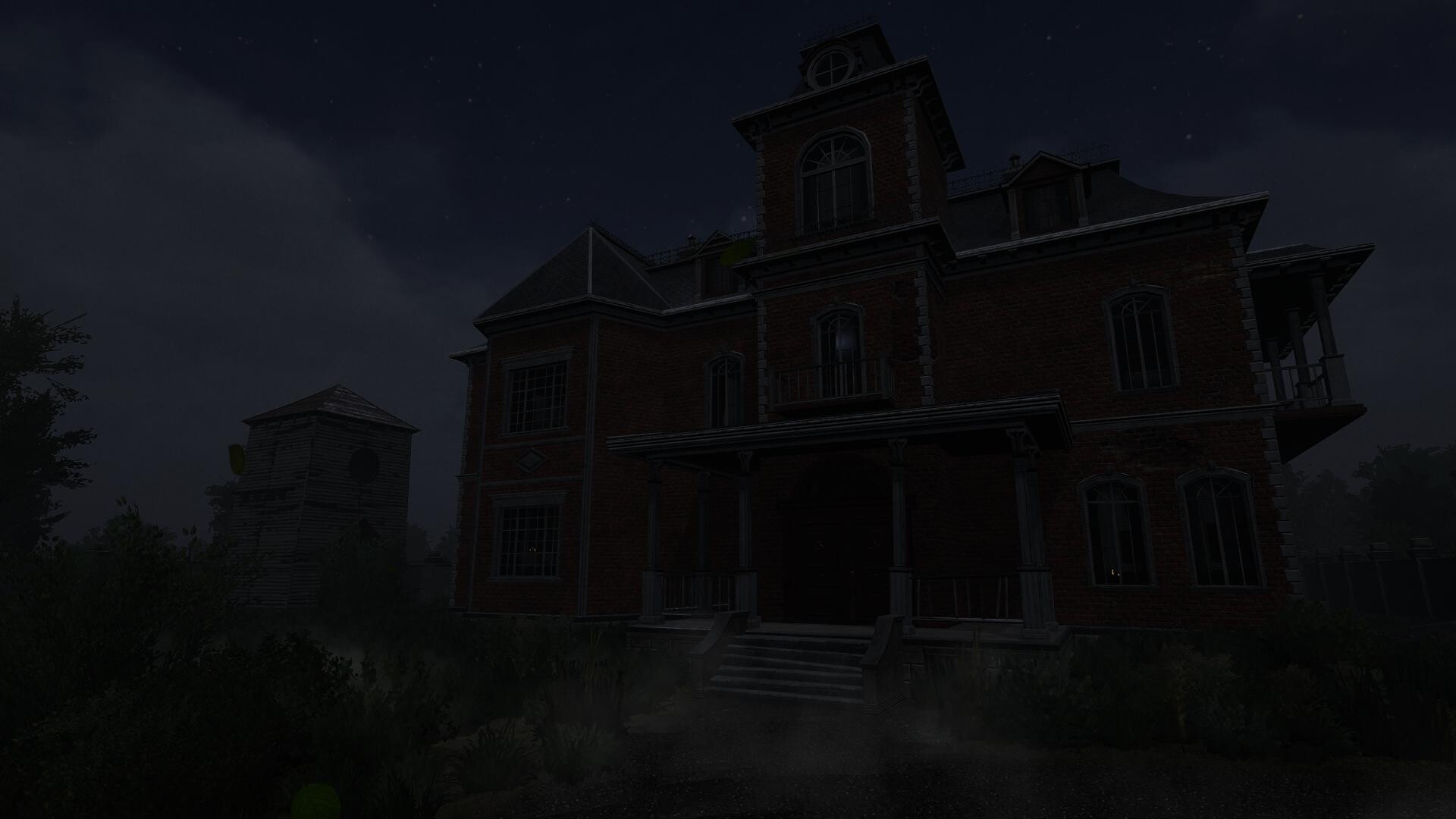
Official Steam text frames Trace of the Villa as a psychological investigation: Jin, searching for his missing sister, follows a lead to a remote, decaying mansion where manifests and hints suggest she may still be alive. Inside, rooms look as if their occupants vanished mid-routine, with personal effects present but identities and photographs conspicuously absent. Restoring estate power unlocks secured systems, hidden compartments, safes and fragments of encrypted documents that point to falsified identities and suspicious transfer records.
When and where
Trace of the Villa launched on Steam on 28 May, 2026. The Steam page lists the developer and publisher as Steadyturtle Co., Ltd., and the store entry shows the title classified under Action, Adventure, Indie with the single-player and accessibility-friendly categories noted above.
Why quiet tension and uncertainty matter
Psychological horror that favors uncertainty works differently than games built around set-piece shocks. When a mansion feels “erased” — furniture in place, doors locked, no names — players fill the gaps. That mental work is the engine of dread: the mind predicts and punishes itself, every quiet corridor becomes a hypothesis to be tested. Trace of the Villa makes this its design currency: manifests, encrypted documents, falsified transfers and empty rooms invite interpretation rather than delivering a single scripted reveal.
How you progress: reading the house
Progress in Trace of the Villa is investigation-first. The Steam description emphasizes recovering manifests, restoring power, unlocking hidden compartments, and decrypting fragments that reveal operational traces. Expect methodical exploration, environmental clues (objects left as if mid-use), puzzles tied to estate systems and safes, and a narrative built from documents and systems you reactivate. The sensation should be less about fleeing instant danger and more about the steady accumulation of evidence that reframes what “abandoned” actually meant.

Player scenarios — who will get the most from this
- The slow-suspense player: You enjoy lingering in spaces, reading documents, and letting tension build. You’re comfortable with pacing that rewards patience and attention to detail.
- The investigative completionist: You want to piece timelines together from manifests, encrypted notes, and transfer records — you treat a mansion like an evidence locker to be catalogued.
- The atmosphere-first storyteller: You play for tone and memory: spaces that imply absence and the mechanics that make the house “speak” to you by switching systems back on.
- Not ideal if: you prefer constant action, instant jump-scare density, or arcade-style combat; Trace of the Villa’s selling point is slow-burn atmosphere and document-driven revelation, per the Steam description.
How it compares (editorial discovery)
| Title | Core vibe | Puzzle / exploration focus | Setting | Pacing |
|---|---|---|---|---|
| Trace of the Villa | Mansion mystery, erased identities, quiet dread | Document-driven clues, restoring systems, safes | Remote decaying mansion | Slow-burn, investigative |
| Amnesia: The Dark Descent | Immersion and survival horror; living through a nightmare | Environmental puzzles and stealth elements | Castle and subterranean spaces | Gradual dread with tense encounters |
| SOMA | Sci‑fi existential horror that questions identity | Exploration and narrative puzzles tied to systems | Undersea research facility | Slow, philosophical tension |
| Layers of Fear (2016) | Psychological house of shifting reality focused on a painter | Exploration with changing level design and story beats | Victorian mansion with surreal shifts | Atmospheric, art-driven pacing |
| Poppy Playtime | Horror/puzzle adventure with adversarial encounters | Puzzle tools and more overt antagonist threats | Abandoned toy factory | Faster beats, more direct threats |
YouTube discovery
Looking for trailers or gameplay footage? Search for Trace of the Villa on YouTube: Trace of the Villa — YouTube search. This is provided as a discovery path; check publisher channels for verified trailers.
View Trace of the Villa on Steam
Disclaimer: Referenced titles and trademarks belong to their respective owners. Comparisons above are editorial discovery only and do not imply endorsement or official connection.
Leave a Reply