
Trace of the Villa and the Power of Quiet Dread: Why an Empty Mansion Can Be Scarier Than a Jump Scare
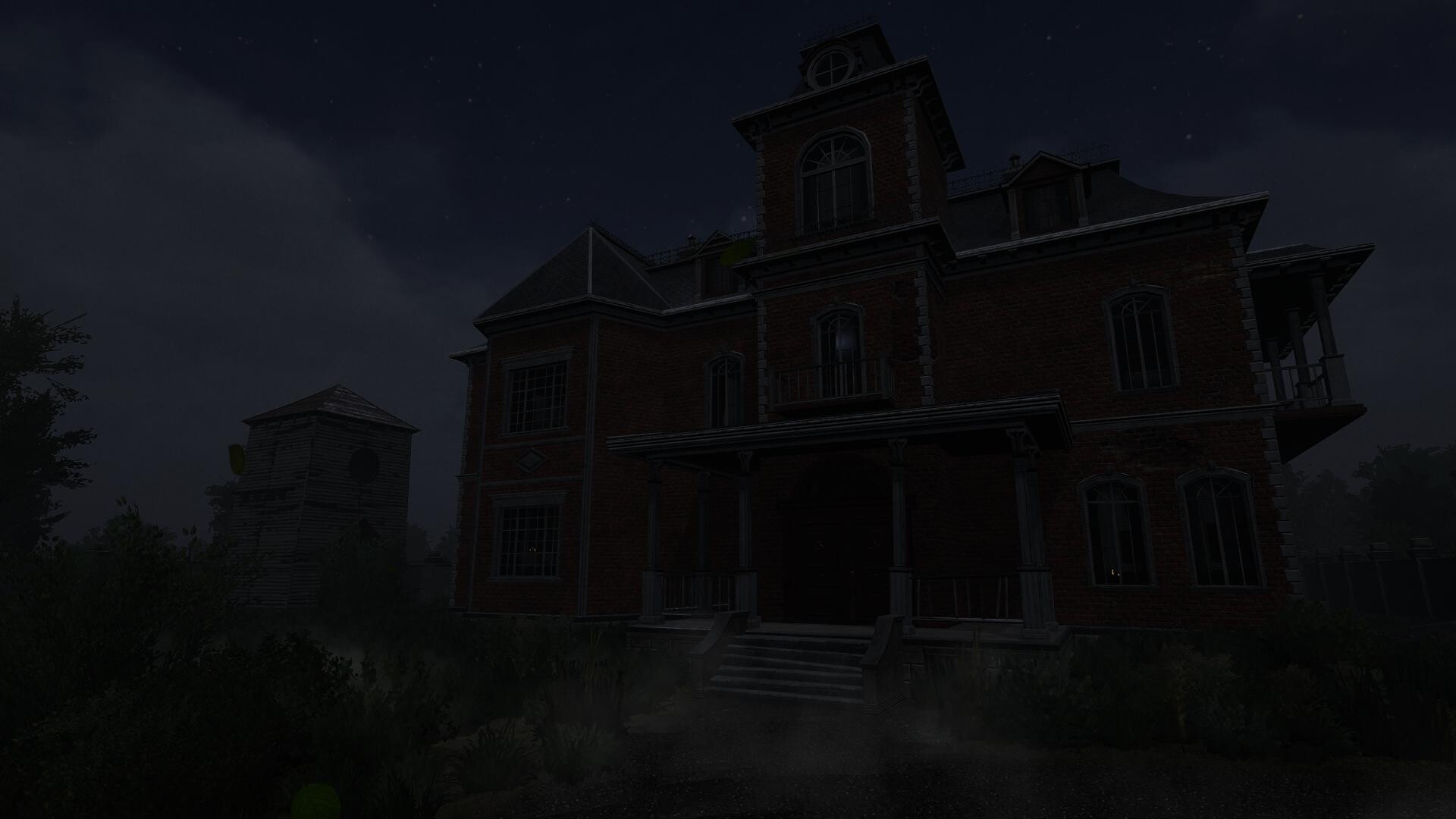
Trace of the Villa (Steadyturtle Co., Ltd.) asks players to move slowly through a decaying, remote mansion, piecing together a missing-person trail that reads like an unmade bed of evidence and omission. Released on 28 May, 2026 on Steam, the game leans on environmental storytelling—restoring power, unlocking hidden compartments and reading encrypted fragments—to make uncertainty itself feel oppressive.

| Title | Trace of the Villa |
|---|---|
| Developer / Publisher | Steadyturtle Co., Ltd. |
| Release date | 28 May, 2026 |
| Genres | Action, Adventure, Indie |
| Categories / Features | Single-player; Color Alternatives; Custom Volume Controls; Playable without Timed Input; Subtitle Options; Family Sharing |
| Premise (official) | Jin searches for his missing sister after following leads to a remote, decaying mansion where manifests and hints suggest she may still be alive. |
Who this is for
Trace of the Villa suits players who prefer slow-burn suspense, investigative pacing, and environmental puzzle design over frequent, loud shocks. If you enjoy story-rich adventure experiences where each discovery shifts context—rather than a steady stream of scripted scares—this is aimed at you.
What the game actually is
The official short description frames the core loop: Jin has spent years searching for his missing sister and follows a lead to a decaying, off-grid mansion. The fuller Steam description emphasizes that the estate feels “erased” rather than simply abandoned—rooms still furnished, locked doors protecting hastily secured secrets, personal belongings present but no names or photographs. Mechanically the game foregrounds investigation: restoring power makes systems come online, hidden compartments open, and safes yield fragments of encrypted documents and suspicious transfer records.
When and where to find it
Trace of the Villa launched on 28 May, 2026 and is listed on Steam. The developer and publisher listed on the Steam page are Steadyturtle Co., Ltd.
Why quiet tension and uncertainty matter more than shock claims
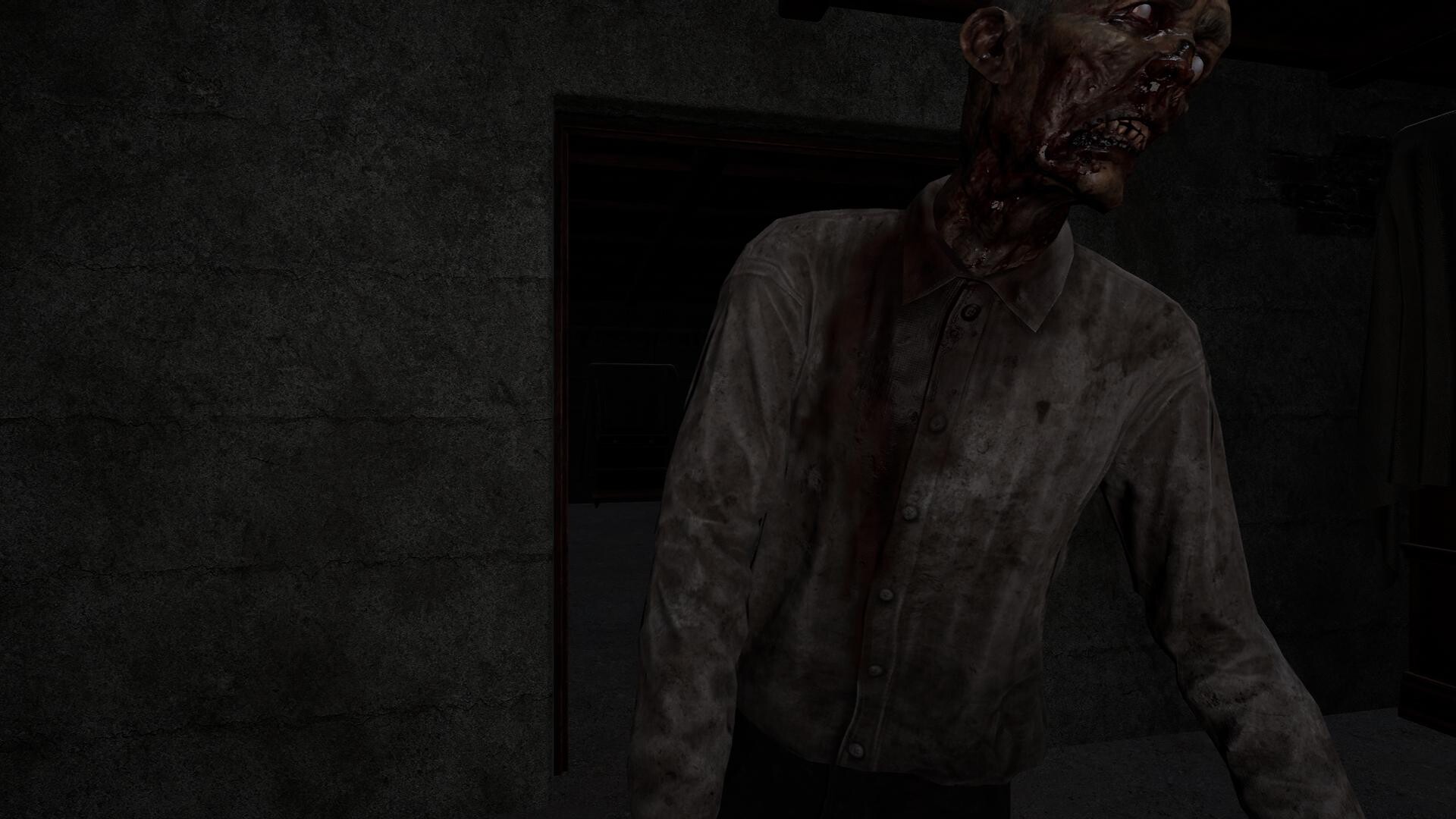
Psychologically, an empty or “erased” mansion leverages expectations against the player. When the environment implies past occupants but strips away names and photographs, uncertainty becomes a feature: you do not just fear what will jump out, you fear the meaning of absence. Restoring power and watching systems reveal fragments of a hidden operation converts exploration into a slow unraveling of context—each small datapoint amplifies dread because it reframes earlier, ordinary details. In that sense, Trace of the Villa uses uncertainty to create a prolonged emotional state rather than a sequence of discrete jolts.
How you progress: clues, systems, and reconstruction
The Steam page makes progression concrete: Jin restores power, secured systems come back online, hidden compartments unlock, and safes yield encrypted fragments and suspicious transfer records. Players move forward by reading those fragments, matching manifests and hints, and building a timeline. The gameplay is therefore clue-driven exploration—puzzle-solving and information recovery are the instruments by which narrative clarity arrives.
Player scenarios — who should wishlist it
- Slow-burn investigators: You enjoy reading logs, turning over clues, and letting narrative context accumulate before it becomes explicit.
- Puzzle-minded explorers: You prefer exploration tied to unlocking systems and solving environmental or inventory puzzles rather than reflex-based combat or timed escape sequences (the game is listed as playable without timed input).
- Atmosphere-first players: If mansion mystery, muted dread, and the feeling of an erased past appeal more than jump scares, this matches your tastes.
- Accessibility-conscious players: The Steam page lists custom volume controls, subtitle options, and color alternatives—small features that help tailor the sensory experience.
How it compares to nearby titles
Below is a compact comparison on lawful editorial criteria—genre, atmosphere, puzzle focus, exploration style, story tone, and pacing—to help readers locate Trace of the Villa relative to familiar psychological horror and mystery-adventure experiences.
| Title | Genre / Release | Atmosphere & Tone | Exploration / Puzzle Focus | Pacing / Player Fit |
|---|---|---|---|---|
| Trace of the Villa | Action, Adventure, Indie — 28 May, 2026 | Quiet dread from an “erased” mansion and missing-person investigation | Clue-driven: restore systems, unlock compartments, read fragments | Slow-burn; suits investigative, atmosphere-first players |
| Amnesia: The Dark Descent | Action, Adventure, Indie — 8 Sep, 2010 | Immersive, existential terror; horror from helplessness | Exploration with resource and sanity management elements | Tense, survival-leaning; fits players who accept vulnerability mechanics |
| SOMA | Action, Adventure, Indie — 21 Sep, 2015 | Philosophical, claustrophobic sci-fi; identity and existence themes | Exploration with narrative puzzles and audio/visual logs | Slow, story-focused; best for players who want existential horror with
Steam pageView Trace of the Villa on Steam YouTube discoveryFor trailer and gameplay discovery, use YouTube search rather than relying on unverified embeds: Find Trace of the Villa trailer and gameplay searches on YouTube. CommentsMore posts |
Leave a Reply