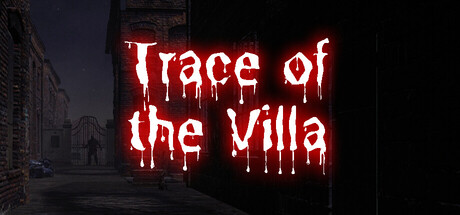
Trace of the Villa and the Power of Quiet Dread
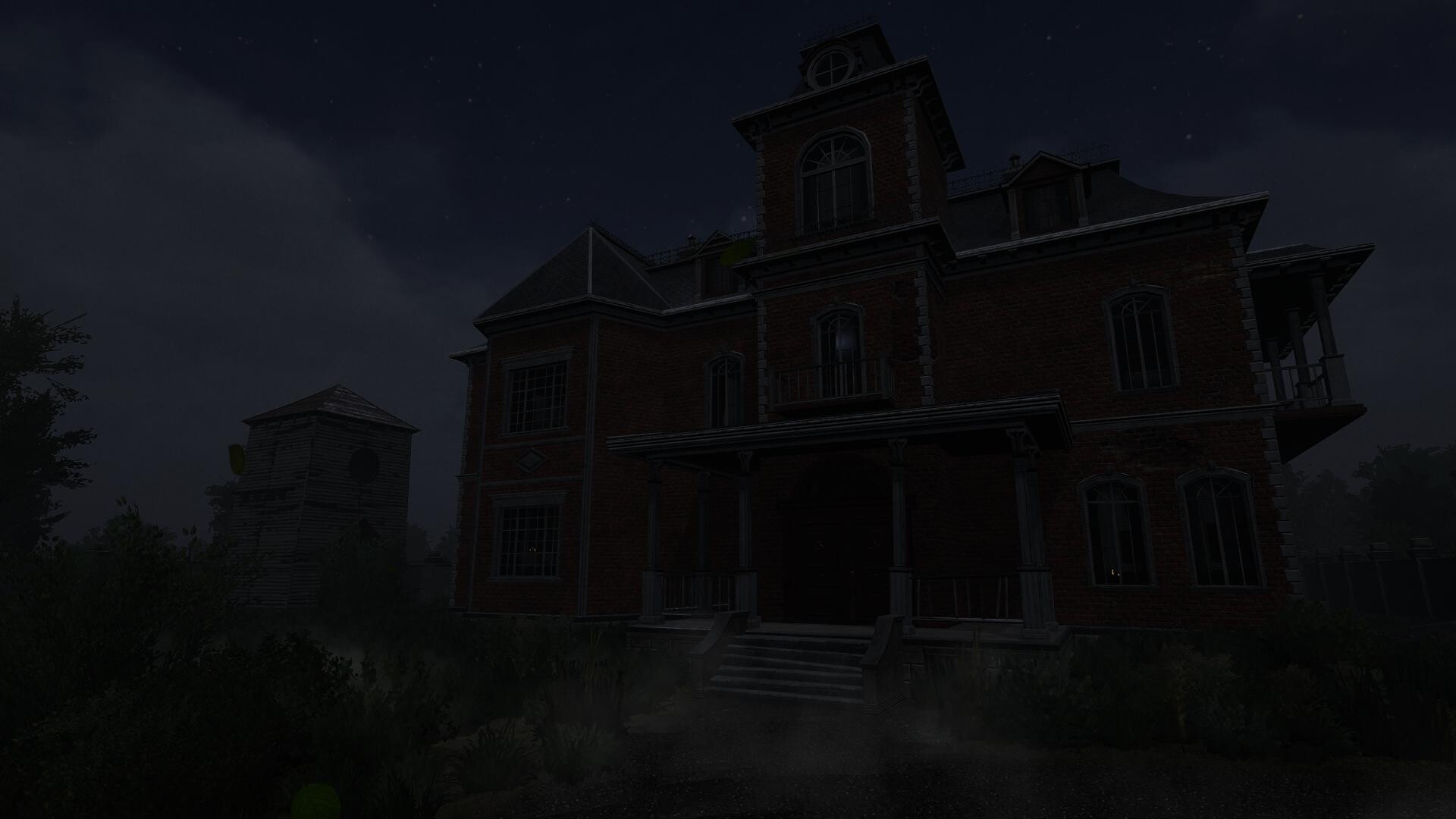
Trace of the Villa trades jump scares for an atmosphere of erasure: a decaying, off-the-grid mansion that feels less abandoned than deliberately emptied of identity. The game’s slow puzzle work—restoring power, uncovering locked compartments, and tracing falsified records—turns uncertainty into the primary engine of tension.

What Trace of the Villa is
Trace of the Villa (Steam appid 3483660) is an action-adventure indie on PC where you play Jin, a man who has spent years searching for his missing sister. According to the official short description, Jin’s leads bring him to a remote, decaying mansion where manifests and hints suggest his sister may still be alive at the end of the trail he follows. The developer and publisher are Steadyturtle Co., Ltd., and the game released on 28 May, 2026.
Compact facts
| Title | Trace of the Villa |
|---|---|
| Developer / Publisher | Steadyturtle Co., Ltd. |
| Release date | 28 May, 2026 |
| Genres | Action; Adventure; Indie |
| Key Steam categories | Single-player; Color Alternatives; Custom Volume Controls; Playable without Timed Input; Subtitle Options; Family Sharing |
| Official premise | Jin investigates a decaying, off-the-grid mansion, restoring power and following manifests and encrypted fragments that hint at a larger, concealed operation. |
Where and when to play
Trace of the Villa is available on Steam; it released on 28 May, 2026. If you want to follow the store page directly, use the Steam link below before the widget.
View Trace of the Villa on Steam
Why quiet tension and uncertainty matter here
The game’s official description emphasises a mansion that seems “erased”—furnished yet lacking photographs, names, or conventional histories—creating a psychological vacancy. That sense of missing context does more than unsettle; it changes how you look for answers. Instead of expecting overt threats, players are trained to expect absence: locked doors that imply something hidden, safes that yield fragments, systems that only reveal themselves once power is restored. That slow accrual of partial information pushes players to fill gaps with hypothesis and dread, which is a different, often more lasting, emotional register than reflexive fright.

How you progress — reading clues and piecing the story
The official text describes a progression loop built around restoration and discovery: restore power to the estate, watch secured systems come back online, unlock hidden compartments, and open safes containing encrypted documents and suspicious transfer records. Each solved puzzle exposes more of a “carefully concealed operation” — falsified identities and financial trails that lead to more questions than answers. Mechanically, this suggests a puzzle + exploration rhythm where environmental storytelling and recovered documents are the primary engines of narrative momentum.
Who this is for
- Players who favour slow-burn suspense and story-rich adventure over twitch reflex horror.
- Fans of environmental storytelling who enjoy piecing together narrative from fragments, manifests, and system logs.
- Those who prefer exploration with puzzle beats—restoring systems and unlocking secrets—rather than timed button challenges (the Steam listing notes “Playable without Timed Input”).
- Players who require accessibility and customization: Trace of the Villa lists color alternatives, custom volume controls, subtitle options, and family sharing among its categories.
Player scenarios — specific examples
Scenario A: You favour methodical investigation. You enjoy searching rooms for small inconsistencies, reading manifests, and reconstructing a timeline from receipts and encrypted files. Trace of the Villa is designed around that investigative patience.
Scenario B: You want tense atmosphere without quick-time stress. The listing explicitly offers “Playable without Timed Input” and subtitle options—good fit if you find fast reflex sequences more frustrating than fun.
Scenario C: You like mystery games that slowly reveal organizational or societal rot. The official description points to falsified identities, suspicious transfers, and movements masked behind falsified records—elements that reward forensic curiosity.
How it compares to nearby titles
To place Trace of the Villa in context, here are lawful editorial comparisons focused on tone, puzzle focus, exploration style, and pacing.
| Title | Primary focus | Atmosphere & pacing | Puzzle / exploration | Best for players who… |
|---|---|---|---|---|
| Trace of the Villa | Story-rich mystery; investigation in a decaying mansion | Slow-burn, quiet dread; uncertainty as tension | Document recovery, restoring systems, unlocking compartments and safes | Prefer clue-driven exploration and environmental storytelling |
| Amnesia: The Dark Descent (2010) | First-person survival horror | Immersion-focused dread; often visceral and immediate | Exploration with survival mechanics and atmospherics | Players who want immersive, fear-driven encounters |
| SOMA (2015) | Sci-fi psychological horror | Slow, existential tone set underwater; contemplative pacing | Narrative puzzles and exploration tied to philosophical themes | Fans of atmosphere and story that questions identity |
| Layers of Fear (2016) | Psychological horror in a Victorian mansion | Shifting, surreal environment; artist-obsessed narrative; variable pacing | Environmental puzzles with changing spaces | Players who like haunted-house surrealism and narrative fragmentation |
| Poppy Playtime (2021) | Horror/puzzle adventure in an abandoned factory | More overtly antagonistic and toy-horror tone; higher-action beats | Puzzle devices like the GrabPack, more gadget-driven | Those who want puzzle toys plus tense chases |
Practical notes from the Steam listing
- The game is categorised as Action, Adventure, Indie and lists Single-player among its Steam categories.
- Accessibility and options include Color Alternatives, Custom Volume Controls, Playable without Timed Input, and Subtitle Options.
- Developer and publisher are Steadyturtle Co., Ltd.
YouTube discovery
If you want trailer or gameplay footage, use this YouTube search path to find videos related to Trace of the Villa (search results may include trailers or gameplay uploads; this is a discovery link, not a verified official channel): YouTube: Trace of the Villa trailer & gameplay
Final decision guide — should you wishlist it?
Wishlist Trace of the Villa if you value slow-burn atmosphere, piecing asynchronous clues together, and exploration that turns absence and erased identity into its primary tension. If you prefer horror that relies on immediate fright, chase sequences, or frequent combat, this game’s emphasis on investigative dread may not be the right fit.
Referenced titles and trademarks belong to their respective owners; comparisons here are editorial discovery only and not endorsements.
Leave a Reply