
Trace of the Villa: why quiet dread and uncertainty matter more than loud shocks
Trace of the Villa places you in a decaying, off-grid mansion where Jin — haunted by a missing sister — follows fragmentary manifests and encrypted traces toward a truth that never feels fully present. Released on 28 May, 2026 by Steadyturtle Co., Ltd., the game trades jump scares for slow-burn psychological investigation and the oppressive silence of rooms that look lived-in but intentionally anonymized.

Who, what, when, where, why, how
Who is this for?
Players who prefer atmospheric mystery adventure and story-rich exploration over constant combat or loud shock design. If you value environmental storytelling, puzzle-driven progression and a quiet, unsettling tone — especially single-player PC players on Steam — this is aimed at you.
What is the game?
Trace of the Villa is an Action / Adventure / Indie title on Steam where protagonist Jin follows leads to a remote, decaying mansion and recovers manifests and hints that his missing sister may still be alive. The official Steam materials frame it as a narrative investigation into a place where identities and records have been deliberately erased.
When and where is it available?
Trace of the Villa released on 28 May, 2026 and is offered on Steam for PC. The Steam page lists Steadyturtle Co., Ltd. as both developer and publisher and includes typical accessibility and settings categories like Subtitle Options and Custom Volume Controls.
Why the theme matters: the psychology of an empty mansion
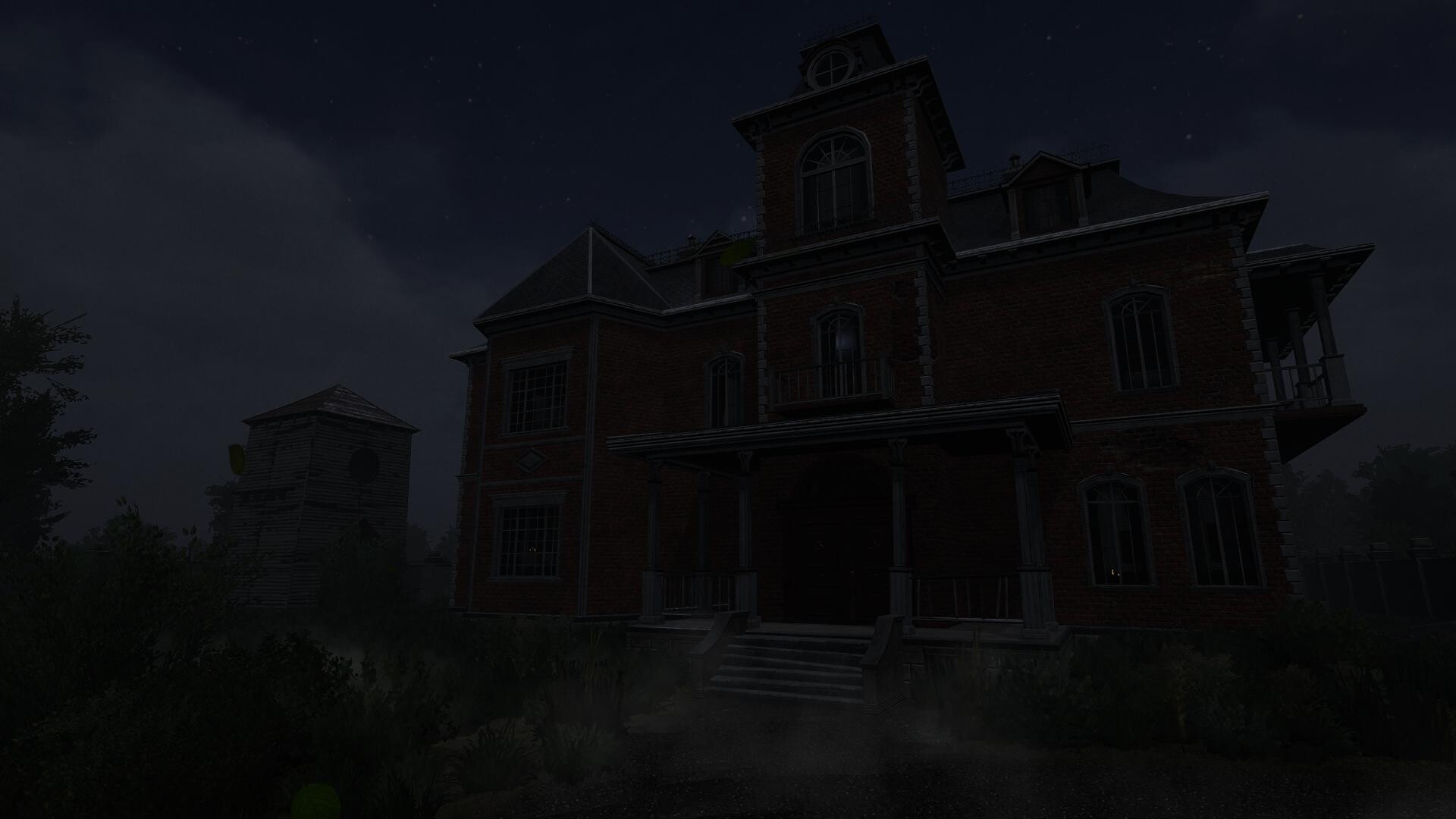
The mansion in Trace of the Villa isn’t just a spooky shell — the game’s premise (from the Steam description) describes rooms left mid-routine, personal items without names or photographs, and systems that, when restored, serially reveal a concealed operation. That precise removal of identity and context creates uncertainty: not only what happened, but whether the world you explore is reliable. Quiet dread leverages absence and implication — the mind supplies threats the game never needs to show.
How you play and progress
Progress is clue-driven. Official text describes restoring power to the estate as a turning point: secured systems come back online, hidden compartments unlock, and safes yield fragments of encrypted documents and suspicious transfer records. Players read manifests, piece together timelines, and follow financial and identity traces to reconstruct what the mansion was used for. The game’s categories (Single-player, Playable without Timed Input, Subtitle Options) suggest a paced exploration experience rather than twitch-heavy mechanics.
Visuals from the Steam page

Quick facts
| Title | Trace of the Villa |
|---|---|
| Steam AppID | 3483660 |
| Release date | 28 May, 2026 |
| Developer | Steadyturtle Co., Ltd. |
| Publisher | Steadyturtle Co., Ltd. |
| Genres | Action, Adventure, Indie |
| Notable categories | Single-player; Color Alternatives; Custom Volume Controls; Playable without Timed Input; Subtitle Options; Family Sharing |
| Official short description | Jin searches a remote, decaying mansion and recovers manifests and hints indicating his sister may still be alive. |
How it compares (editorial)
Below is a concise editorial comparison that concentrates on tone, exploration style and puzzle emphasis rather than quality claims.
| Game | Core focus | Atmosphere / tone | Puzzle & exploration | Pacing / player fit |
|---|---|---|---|---|
| Trace of the Villa | Clue-driven investigation in a decaying mansion | Quiet dread, erasure of identity, slow unease | Environmental puzzles, restoring systems, decoding manifests | Slow-burn; for players who prefer methodical reconstruction |
| Amnesia: The Dark Descent (2010) | Immersive first-person survival horror | Relentless dread and helplessness | Exploration mixed with survival mechanics and environmental puzzles | High tension; suited to players who tolerate constant anxiety |
| SOMA (2015) | Sci‑fi horror that foregrounds existential questions | Claustrophobic, melancholic, philosophical | Exploration and puzzle sequences woven into narrative | Measured pacing with emphasis on story and atmosphere |
| Layers of Fear (2016) | First-person psychological horror in a shifting mansion | Surreal, unstable, artistic madness | Puzzle and exploration with a focus on narrative revelations | Atmospheric, variable pacing; leans into psychological disorientation |
| Poppy Playtime (2021) | Horror/puzzle adventure with mechanical tools | Toy-factory dread and sudden encounters | Puzzle mechanics tied to specific gadgets and traversal | Paced around episodic encounters; appeals to puzzle-horror players who want intermittent set-pieces |
Player scenarios — should you wishlist it?
- You want a mystery that unfolds by reading manifests, restoring systems and following redacted trails rather than by combat or frequent jump scares.
- You prefer single-player experiences with subtitle options and accessibility controls (the Steam page lists Subtitle Options and Custom Volume Controls) to tailor pacing and sensory input.
- You enjoy slow, psychological tension created by absence and implication — rooms furnished but anonymized, and a narrative that emphasizes erased identities.
- You’re less interested if you need constant high-intensity horror or competitive multiplayer; Trace of the Villa presents a solitary, investigative pace.
Where to find trailers and gameplay
You can search for trailers and gameplay footage (useful for judging pacing and how puzzles present themselves) via this YouTube discovery path: search Trace of the Villa on YouTube. This link is provided as a discovery route; do not assume videos found there are official unless clearly marked.
Leave a Reply