
Trace of the Villa and the Quiet Work of Dread
Trace of the Villa leans on silence and slow revelation: a decaying mansion, a brother named Jin, and the methodical unspooling of missing histories rather than loud shocks. Released 28 May, 2026 by Steadyturtle Co., Ltd., it presents investigation as a psychological tension exercise—power restoration, locked safes, and fragments of falsified identities that add up to a house that feels erased.

Who, What, When, Where, Why, How
Who it is for
Players who prefer slow-burn suspense, environmental storytelling, and clue-driven exploration over jump-scare spectacle. If you gravitate toward psychological investigation and piecing together meaning from fragmented documents and restored systems, this will likely fit your taste.
What the game is
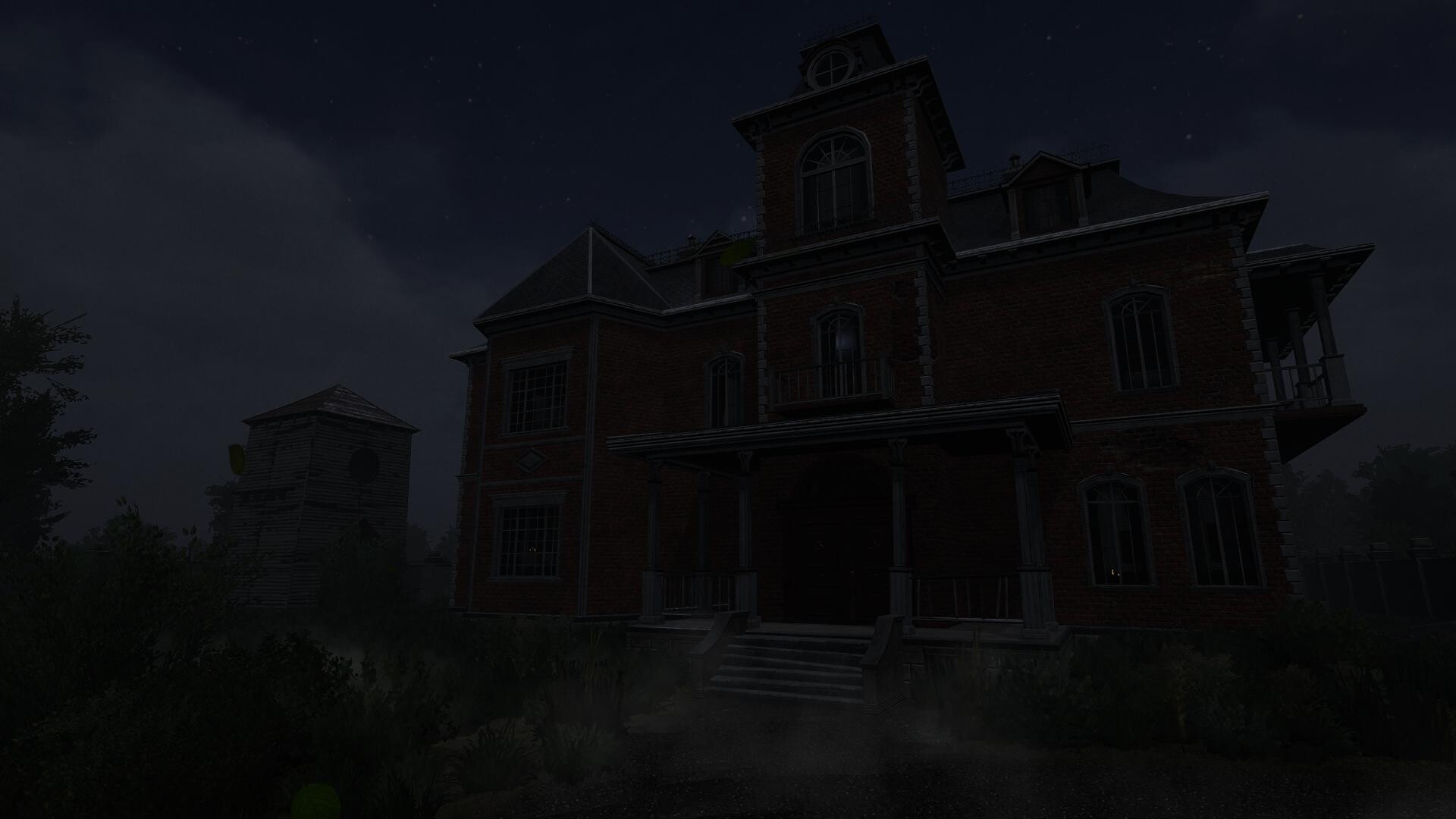
Trace of the Villa is an Action / Adventure / Indie title on Steam that centers on Jin, who has spent years searching for his missing sister. The protagonist follows a lead to a remote, decaying mansion where manifests and hints suggest the sister may still be alive. The official Steam description frames the mansion as “less abandoned than erased”: rooms frozen mid-routine, missing names and photographs, and evidence of controlled movements.
When and where
Trace of the Villa released on 28 May, 2026 and is available on Steam for PC. (Steam appid: 3483660.)
Why the theme matters
The psychological weight of an empty mansion is not just a setting trick; it changes the player’s relationship to fear. When a house looks lived-in but intentionally anonymized—no photographs, falsified records, encrypted fragments—the dread becomes cognitive. Players fill gaps with suspicion, and every restored system or opened safe shifts the balance from “what if” to “what was done.” That slow accretion of meaning is where Trace of the Villa aims to make its impact.
How you progress
The game foregrounds investigation mechanics described on Steam: restoring power to the estate brings secured systems back online, hidden compartments unlock, and safes yield fragments of encrypted documents and suspicious transfer records. Solving puzzles, decrypting fragments, and tracing financial or identity anomalies appears to be the primary loop for advancing Jin’s timeline through the mansion.

Quick facts
| Title | Trace of the Villa |
|---|---|
| Steam AppID | 3483660 |
| Release Date | 28 May, 2026 |
| Developer | Steadyturtle Co., Ltd. |
| Publisher | Steadyturtle Co., Ltd. |
| Genres | Action, Adventure, Indie |
| Categories | Single-player; Color Alternatives; Custom Volume Controls; Playable without Timed Input; Subtitle Options; Family Sharing |
| Short premise | Jin searches a remote, decaying mansion for clues about his missing sister; manifests and fragments suggest she may still be alive. |
How this compares to nearby mystery and horror titles
Below is an editorial comparison focused on atmosphere, puzzle emphasis, exploration style, and pacing to help you decide fit—not to claim superiority.
| Game | Genre / Release | Atmosphere | Puzzle & Exploration Focus | Pacing / Tone |
|---|---|---|---|---|
| Trace of the Villa | Action · Adventure · Indie · (Released 28 May, 2026) | Decaying mansion, anonymized lives, creeping unease | Clue-driven: restore systems, unlock compartments, decrypt documents | Slow-burn, investigative, psychological |
| Amnesia: The Dark Descent | Action · Adventure · Indie · (2010) | Immersive, claustrophobic, survival horror | Exploration and survival; immersion and fear management | Relentlessly tense, immediate dread |
| SOMA | Action · Adventure · Indie · (2015) | Sci‑fi, oppressive, existential | Exploration with narrative puzzles and environmental storytelling | Slow, philosophical, unsettling |
| Layers of Fear (2016) | Adventure · Indie · (2016) | Victorian, surreal, painterly madness | Environmental puzzles woven with changing architecture | Psychological, disorienting, atmospheric |
| Poppy Playtime | Action · Adventure · Indie · (2021) | Industrial, toy-factory horror with tense encounters | Puzzle-adventure with tools (GrabPack) and stealth/escape elements | Faster-paced, encounter-driven |
Player scenarios — who should wishlist Trace of the Villa
- Investigative players: you enjoy reconstructing timelines from documents, logs, and restored systems.
- Atmosphere-first players: you prefer slow unease rooted in setting and implication rather than constant jump scares.
- Puzzle solvers who like story weight: you want puzzles that reveal narrative layers (safes, encrypted fragments, hidden compartments).
- Explorers of tone: you care about how a game stages omission—what’s missing can be as important as what’s present.
YouTube discovery
If you want a look at trailers or gameplay videos, use this YouTube search path (search results may include trailers and player captures):
Reader decision checklist
Use this checklist before deciding whether Trace of the Villa belongs on your Steam wishlist. The game is most relevant if you enjoy reading environmental evidence, following document trails, inspecting rooms for small inconsistencies, and letting a mystery unfold through objects rather than exposition. It is less about instant spectacle and more about the slow pressure of a place that seems to have been deliberately erased.
SEO note for discovery-minded players
Players searching for atmospheric mystery adventure, clue-driven exploration, mansion mystery game, story-rich indie adventure, psychological investigation game, or narrative puzzle design are likely looking for the same core appeal: a PC game where the setting is not just a backdrop but the main source of evidence. Trace of the Villa fits that search intent because its official Steam premise centers on Jin, his missing sister, a remote mansion, restored systems, hidden compartments, safes, encrypted documents, and a trail of suspicious records.
Final player-fit summary
Wishlist Trace of the Villa if you want a slow investigation built around official Steam store elements: a 28 May, 2026 release from Steadyturtle Co., Ltd., a single-player PC/Steam mystery structure, official screenshots showing the mansion atmosphere, and a premise that uses the house itself as a puzzle box. The strongest fit is for players who prefer patience, observation, and narrative reconstruction over fast combat or loud horror beats.
Leave a Reply