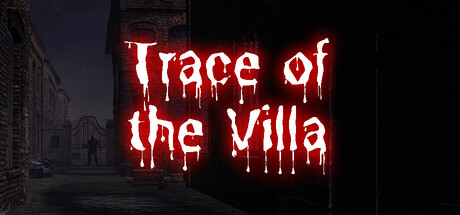
Trace of the Villa: why quiet dread and an empty mansion beat cheap shocks
Trace of the Villa (Steadyturtle Co., Ltd.) is a slow-burn, clue-driven atmospheric mystery adventure that places you in a decaying, deliberately forgotten mansion where silence and absence are the real antagonists. Released on 28 May, 2026 on Steam, the game leans on environmental storytelling, puzzle-led investigation, and the psychological weight of an erased household rather than jump scares.

Who, what, when, where, why, how
Who is this for?
Players who prefer slow-burn suspense, investigative pacing, and environmental storytelling over reactive survival mechanics. If you like narrative puzzle design, reading manifests and encrypted fragments, and letting the setting do the heavy lifting of dread, this is for you. If your preference is non-stop action or frequent jump-scares, this title may not match your expectations.
What is the game?
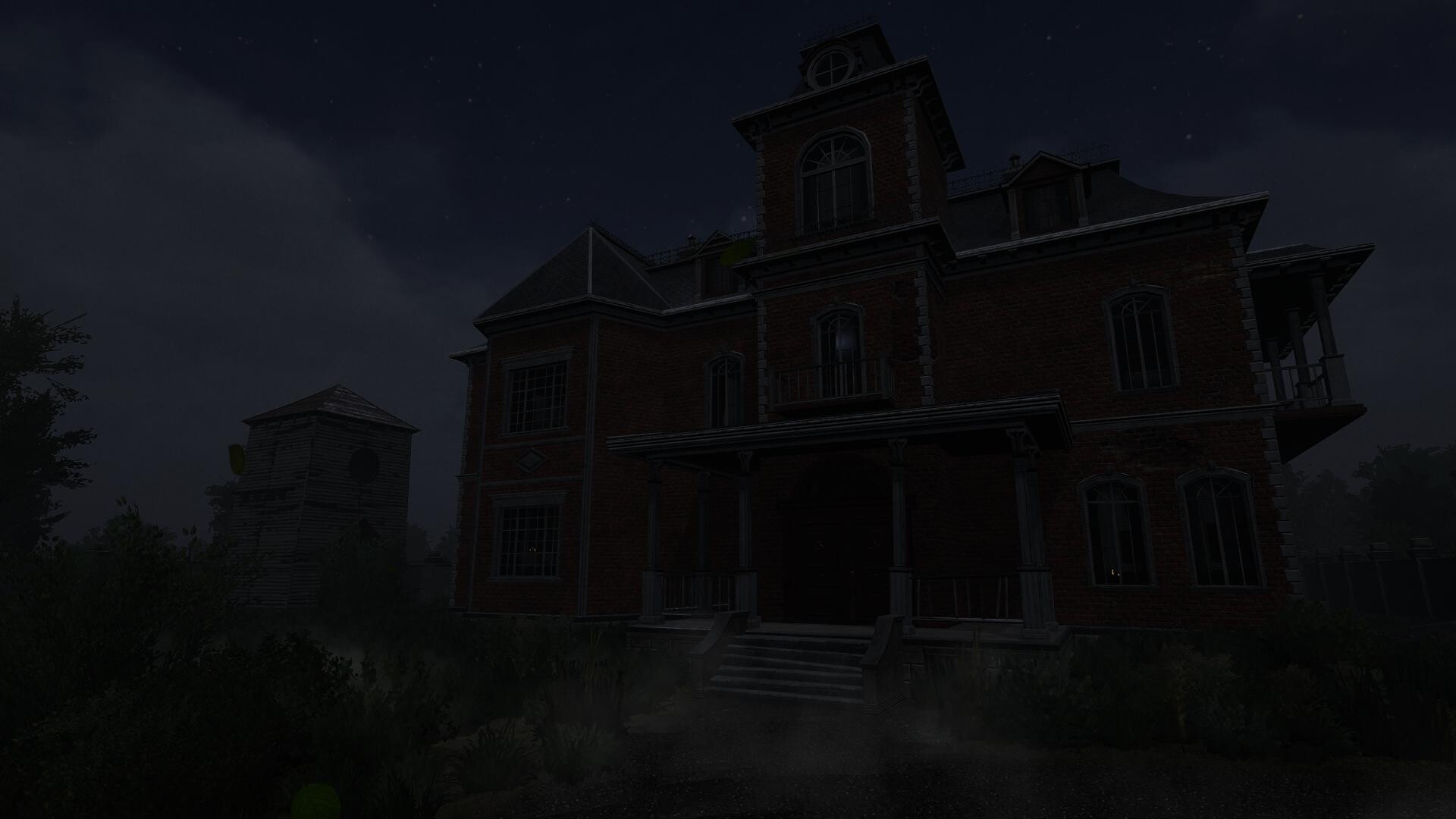
Trace of the Villa is an action/adventure indie on Steam about Jin, a protagonist searching for his missing sister. The premise centers on a remote, decaying mansion where manifests, locked rooms, and falsified records hint at a larger, secretive operation. The experience emphasizes exploration, reconstruction of timelines, and the psychological pressure of absence.
When and where is it available?
Trace of the Villa released on Steam on 28 May, 2026. It is published and developed by Steadyturtle Co., Ltd., and listed under Action, Adventure, Indie on the Steam store for PC players.
Why does the quiet tension matter?
Quiet tension trades immediate shock for sustained uncertainty—an emotional economy that deepens dread. In an empty mansion that feels “less abandoned than erased,” the player fills the narrative gaps; every untouched object, every missing photograph, and every locked door becomes a psychological prompt. That slow accrual of meaning makes discoveries feel consequential: restoring power, unlocking a safe, or finding a manifest doesn’t just advance gameplay, it shifts what the house implies about identity, control, and who was permitted to exist there.
How do you progress?
Progress in Trace of the Villa is clue-driven. Jin restores estate power, reactivates secured systems, and opens hidden compartments to recover manifests and fragments of encrypted documents. Each puzzle solved reveals additional financial trails, falsified identities, or movements masked behind deliberate obfuscation—layering a timeline the player must read and interpret rather than being spoon-fed answers.
Official screenshots

Quick facts
| Title | Trace of the Villa |
|---|---|
| Steam AppID | 3483660 |
| Release date | 28 May, 2026 |
| Developer / Publisher | Steadyturtle Co., Ltd. |
| Genres | Action, Adventure, Indie |
| Key categories | Single-player, Color Alternatives, Custom Volume Controls, Playable without Timed Input, Subtitle Options, Family Sharing |
| Official short description | Jin has spent years searching for his missing sister, pursuing leads that took him to a remote, decaying mansion where he recovered manifests and hints that indicate his sister may still be alive, somewhere at the end of the trail he is about to follow. |
How it compares — atmospheric, investigative, and pacing
Below is a focused editorial comparison highlighting tone, exploration and puzzle emphasis, and pacing. This is an editorial discovery exercise, not a claim of superiority or endorsement.
| Title | Release date | Tone / Focus | Exploration & Puzzle Style | Pacing |
|---|---|---|---|---|
| Amnesia: The Dark Descent | 8 Sep, 2010 | Immersive first-person survival horror, dread through helplessness | Environment-driven puzzles, physics and stealth mechanics | Slow build with tense peaks |
| SOMA | 21 Sep, 2015 | Sci‑fi psychological horror with philosophical questioning | Exploration-heavy, narrative puzzles and context clues | Measured, contemplative pace |
| Layers of Fear (2016) | 15 Feb, 2016 | Psychological mansion horror focused on atmosphere and story | Surreal shifting spaces, story-revealing puzzles | Variable — deliberate disorientation |
| Poppy Playtime | 12 Oct, 2021 | Horror/puzzle with toy-themed antagonists and reactive encounters | Puzzle devices and tools (GrabPack), more gameplay-driven | Faster, more tension defined by encounters |
Player scenarios — who should wishlist or skip
If you should wishlist it
- You like story-rich adventure where atmosphere and small details carry the plot.
- You enjoy detective-style reading of manifests, encrypted fragments, and piecing timelines together.
- You prefer exploration and puzzle design over combat or reflex-based mechanics.
If you might skip it
- You want continuous action, frequent jump-scares, or high-intensity encounters.
- You prefer multiplayer or sandbox-style progression rather than a single-player narrative.
Trailer and YouTube discovery
If you want trailer or gameplay videos, search YouTube for Trace of the Villa using this discovery path (use as a search/discovery link only): Trace of the Villa trailer & gameplay search.
Final take
Trace of the Villa stakes its atmosphere on absence and uncertainty. The mansion’s silence is not an empty design choice; it’s the primary vehicle for psychological tension. For players who savor slow, clue-driven mysteries and the slow burn of an erased history, the game’s focus on recovered manifests, restored systems, and layered puzzle reveals will be its main appeal.
View Trace of the Villa on Steam
Referenced titles and trademarks belong to their respective owners. Comparisons are editorial discovery only, using publicly available Steam data and publisher-provided descriptions.
Leave a Reply