Trace of the Villa — the quiet dread of an empty mansion
Trace of the Villa drops you into a remote, decaying mansion where Jin — a man who has spent years searching for his missing sister — follows manifests and hints that suggest she may still be alive. The game leans on slow-burn suspense, environmental storytelling and clue-driven exploration rather than cheap shocks; its fear comes from what’s missing as much as what’s revealed.

Who: who should wishlist or play this?
If you prize atmospheric mystery adventure and psychological investigation over repeated jump scares, Trace of the Villa is aimed at you. Players who enjoy piecing together a narrative from manifests, encrypted fragments and locked rooms — and who prefer measured tension and interpretive space — will find the pacing and tone rewarding. It also suits those who like story-rich adventures with puzzle elements rather than pure survival horror or fast-paced action.
What: what the game is
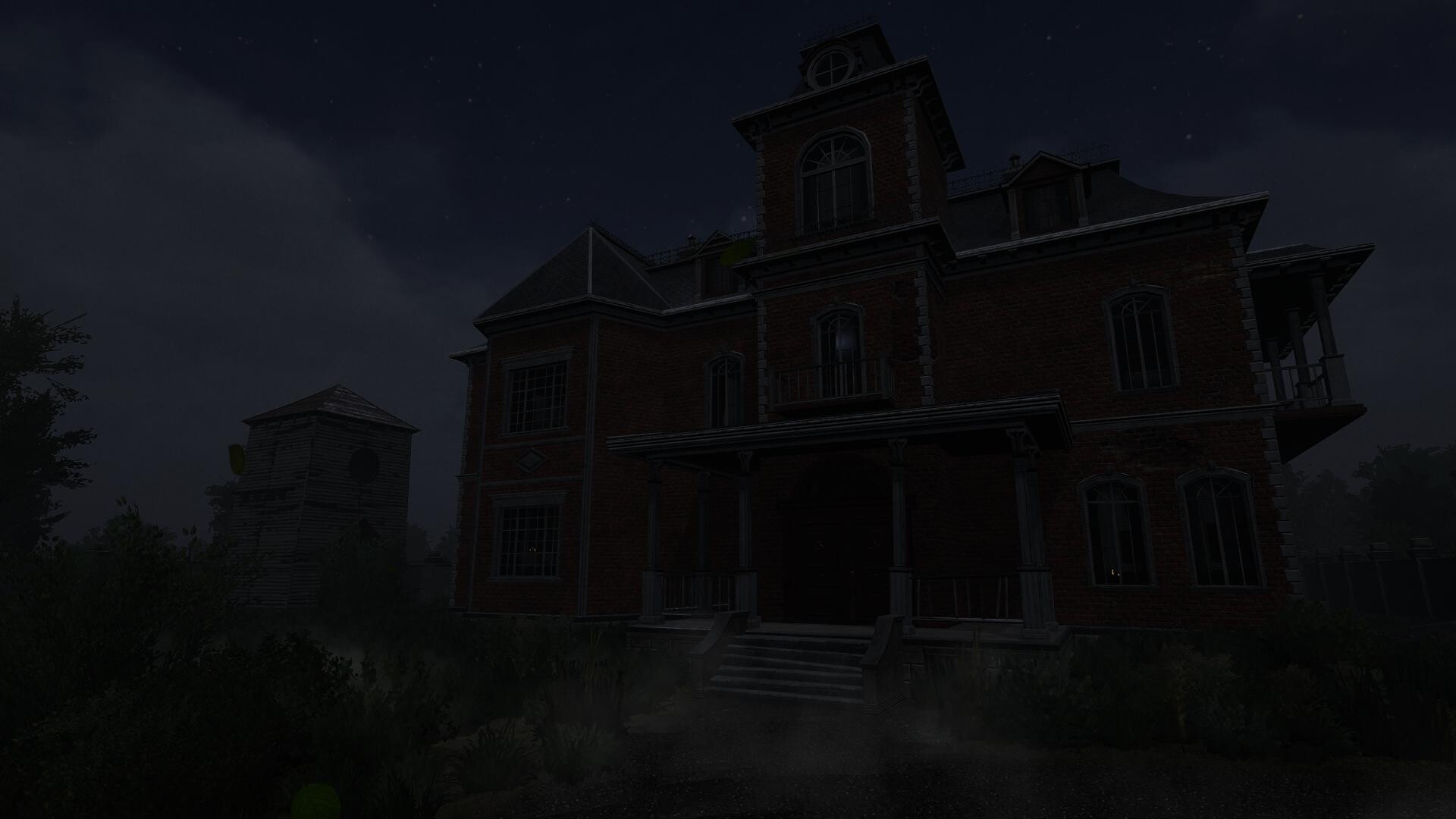
Trace of the Villa (Steam AppID 3483660) is an Action / Adventure / Indie title from developer and publisher Steadyturtle Co., Ltd. The official short description: “Jin has spent years searching for his missing sister, pursuing leads that took him to a remote, decaying mansion where he recovered manifests and hints that indicate his sister may still be alive, somewhere at the end of the trail he is about to follow.” In-play, the mansion feels less abandoned than erased — furnished rooms, locked doors, and personal effects that point to deliberate concealment rather than a sudden departure.
When & where: Steam availability
Trace of the Villa released on 28 May, 2026 on Steam for PC. See the Steam store page for system requirements and platform details.
Why the theme matters: quiet dread and uncertainty
Psychological horror built around omission and uncertainty works because the player supplies the missing pieces. In Trace of the Villa the core unease comes from a house that looks lived-in but whose occupants have been stripped of identity: personal items without names, rooms frozen mid-routine, and records that lead to dead ends. Restoring power and unlocking security systems reveal financial puzzles, falsified identities and encrypted fragments — an investigation that makes the player feel like an active archaeologist of wrongdoing. That slow accumulation of detail breeds unease; the mind fills small gaps with increasingly ominous possibilities.
How you play: clues, progression and puzzle tone
Progression in Trace of the Villa is clue-driven. Jin recovers manifests and encrypted documents, brings systems back online, and opens secured compartments that reveal further threads. Expect environmental puzzles, investigation of locked safes and systems restoration rather than twitch reflex mechanics. The game’s categories list features Single-player, Color Alternatives, Custom Volume Controls, Playable without Timed Input and Subtitle Options — useful accessibility signals for players who prefer deliberate, readable pacing.

Compact facts: Trace of the Villa
| Title | Trace of the Villa |
|---|---|
| Steam AppID | 3483660 |
| Release Date | 28 May, 2026 |
| Developer | Steadyturtle Co., Ltd. |
| Publisher | Steadyturtle Co., Ltd. |
| Genres | Action, Adventure, Indie |
| Key Categories | Single-player; Color Alternatives; Custom Volume Controls; Playable without Timed Input; Subtitle Options; Family Sharing |
| Official short description | Jin has spent years searching for his missing sister, pursuing leads that took him to a remote, decaying mansion where he recovered manifests and hints that indicate his sister may still be alive, somewhere at the end of the trail he is about to follow. |
Who will like this — specific player scenarios
- Slow-burn puzzle solvers: You enjoy unhurried exploration, reading logs and assembling timelines from small clues.
- Environmental storytelling fans: You prefer games where the setting narrates as much as dialog or scripted scenes.
- Accessibility-minded players: You need options like custom volume controls, color alternatives and untimed input; Trace of the Villa lists these categories explicitly.
- Players seeking psychological tension over jump scares: If you find dread produced by uncertain evidence more disturbing than run-and-hide moments, this will fit your tastes.
- Those who want a stronger mechanic-driven focus: If you prefer continuous action or frequent mechanical combat, the game’s clue-driven, investigation emphasis may feel slower than you expect.
How it compares — lawful editorial comparison
Below is a concise editorial comparison with nearby psychological/mansion mystery titles. These comparisons use publicly available genre and description signals to help you decide which tone and pacing suit you.
| Title (Year) | Core Focus | Atmosphere & Pacing | Exploration & Puzzles | Recommended if you… |
|---|---|---|---|---|
| Trace of the Villa (2026) | Clue-driven investigation in a decaying mansion | Slow-burn, quiet dread; tension from omissions | Environmental puzzles, document fragments, restoring systems | Prefer narrative puzzle design and atmospheric mystery over shock tactics |
| Amnesia: The Dark Descent (2010) | Immersive survival horror | Claustrophobic, relentless dread with pacing that builds terror | Exploration-focused with sanity mechanics and stealth elements | Want a more survival-horror tension and immersion-driven fear |
| SOMA (2015) | Sci‑fi psychological horror | Philosophical, unsettling, slower build with existential themes | Exploration and narrative puzzles, emphasis on story questions | Enjoy thoughtful, concept-driven horror in a confined setting |
| Layers of Fear (2016) | First-person psychological horror in a Victorian mansion | Unpredictable, art-driven atmosphere with shifting environments | Puzzle-adjacent exploration with surreal changes to spaces | Want a painterly, reality-bending mansion mystery with psychological twists |
| Poppy Playtime (2021) | Horror-puzzle adventure in an abandoned toy factory | Higher emphasis on scripted encounters and set-piece scares | Puzzle devices (GrabPack) and timed sequences | Prefer more overt threats and mechanical puzzle tools over slow-burning ambiguity |
Leave a Reply