Trace of the Villa — why quiet dread and an empty mansion matter more than jump scares
Trace of the Villa arrives as a slow-burn, clue-driven investigation set in a remote, decaying mansion; its atmosphere trades loud shocks for a steady, tightening uncertainty that rewards patient players. If you prefer psychological tension built from absence, erasure, and the careful reconstruction of a vanished life, this is the kind of Steam indie mystery that asks you to look at what isn’t there.

Quick facts
| Title | Trace of the Villa |
|---|---|
| Steam AppID | 3483660 |
| Release date | 28 May, 2026 |
| Developer / Publisher | Steadyturtle Co., Ltd. |
| Genres | Action, Adventure, Indie |
| Steam categories | Single-player; Color Alternatives; Custom Volume Controls; Playable without Timed Input; Subtitle Options; Family Sharing |
Who, what, when, where, why, how
Who it’s for
Players who prefer atmospheric mystery adventures over reflex-driven horror. If you like methodical puzzle-solving, environmental storytelling, and the tension of unanswered questions—rather than repeated jump scares—Trace of the Villa is aimed at you.
What the game is
Trace of the Villa is a story-rich, exploration-focused title in which protagonist Jin follows leads into a decaying mansion to search for his missing sister. The estate is presented not as an immediate combat arena but as a place where absence has been staged—rooms set mid-routine, personal effects without names, and systems that, once restored, begin to reveal a larger conspiracy.
When and where
The game released on Steam on 28 May, 2026. It’s listed on Steam with the AppID 3483660 and the official product assets and screenshots appear on the store page.
Why the quiet tension matters
The official description emphasizes erasure: no photographs, no ownership records, arrivals without records. That kind of absence produces a specific psychological effect—uncertainty that accumulates rather than resolves. The game leverages ordinary domestic details and broken systems to make players imagine what could fill those blanks; the dread comes from a mind filling in omissions, not from sudden audio cues. For many players, that sustained unease is more memorable and more unnerving than a series of scripted shocks.
How you progress
Progression is driven by investigation and restoration. The description makes clear that Jin restores power to the estate and, as secured systems come back online, hidden compartments and safes yield fragments of encrypted documents, manifests, and suspicious transfer records. Each solved puzzle opens another layer of the narrative, revealing falsified identities and financial trails. In short: read the environment, restore systems, unlock secured storage, and piece the timeline together from scattered artifacts.
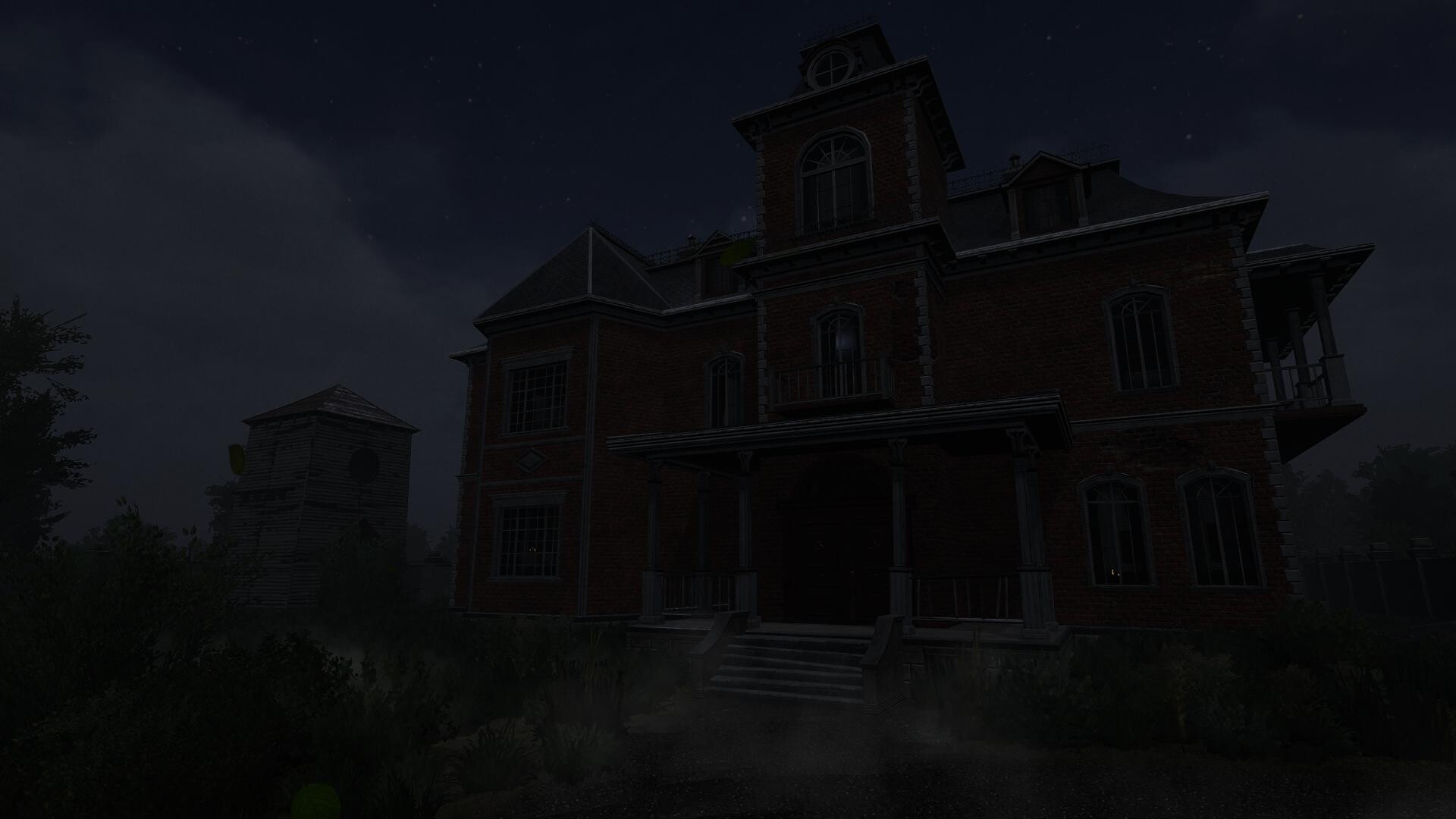

Comparison: where Trace of the Villa sits among psychological horror and tension games
Below is an editorial comparison focused on tone, puzzle emphasis, exploration style, and pacing—intended to help readers decide who should wishlist it.
| Title | Genre / Core setting | Atmosphere | Puzzle focus | Exploration style | Story tone / Pacing | Player fit |
|---|---|---|---|---|---|---|
| Trace of the Villa | Action / Adventure (mansion investigation) | Quiet dread, erasure of identity | Clue-driven, discovery via restored systems and safes | Room-by-room environmental reading | Slow-burn; accumulative revelation | Players who like narrative puzzle design and slow suspense |
| Amnesia: The Dark Descent | Action / Adventure (first-person survival horror) | Immersive dread and helplessness | Puzzle and survival mechanics tied to sanity | Exploration with emphasis on immersion and terror | Tense and oppressive; often immediate threat | Players who want high-tension immersion and survival elements |
| SOMA | Action / Adventure (sci-fi underwater) | Existential dread, atmospheric sci-fi | Environmental puzzles supporting narrative questions | Exploration of confined facilities and systems | Thoughtful, mood-driven; questions of identity | Players who want philosophical horror and slow tension |
| Layers of Fear | Adventure (first-person psychological horror) | Surreal, Victorian-influenced atmosphere | Story-driven puzzles tied to changing spaces | Shifting mansion spaces; psychological maze | Psychological and subjective; variable pacing | Players who prefer narrative-focused, surreal mansion horror |
| Poppy Playtime | Action / Adventure (toy factory horror) | High-concept toy-factory creepiness | Puzzle mechanics with gadget interaction | Facility exploration with set-pieces | More visceral and encounter-driven pacing | Players who like puzzle action and more immediate threats |
Player scenarios — who should wishlist this
- Investigation-focused players: you enjoy cataloging found objects, decrypting fragmented documents, and tracing financial or identity clues across multiple containers and systems.
- Atmosphere-first players: you prefer environments that communicate story by omission and staging—furnished rooms frozen in time are more compelling than scripted monsters.
- Slow-burn fans: you appreciate tension that accumulates through extended uncertainty rather than repeated startle moments.
- Not ideal if you want constant combat or frequent adrenaline spikes; Trace of the Villa centers on reading the space and letting the implications mount.
YouTube discovery
If you want to watch trailers or gameplay clips, search for Trace of the Villa on YouTube: YouTube search: Trace of the Villa trailer & gameplay. This link is a discovery path—check publisher assets and the Steam page for official media.
Leave a Reply