
Trace of the Villa and the Quiet Power of an Empty Mansion
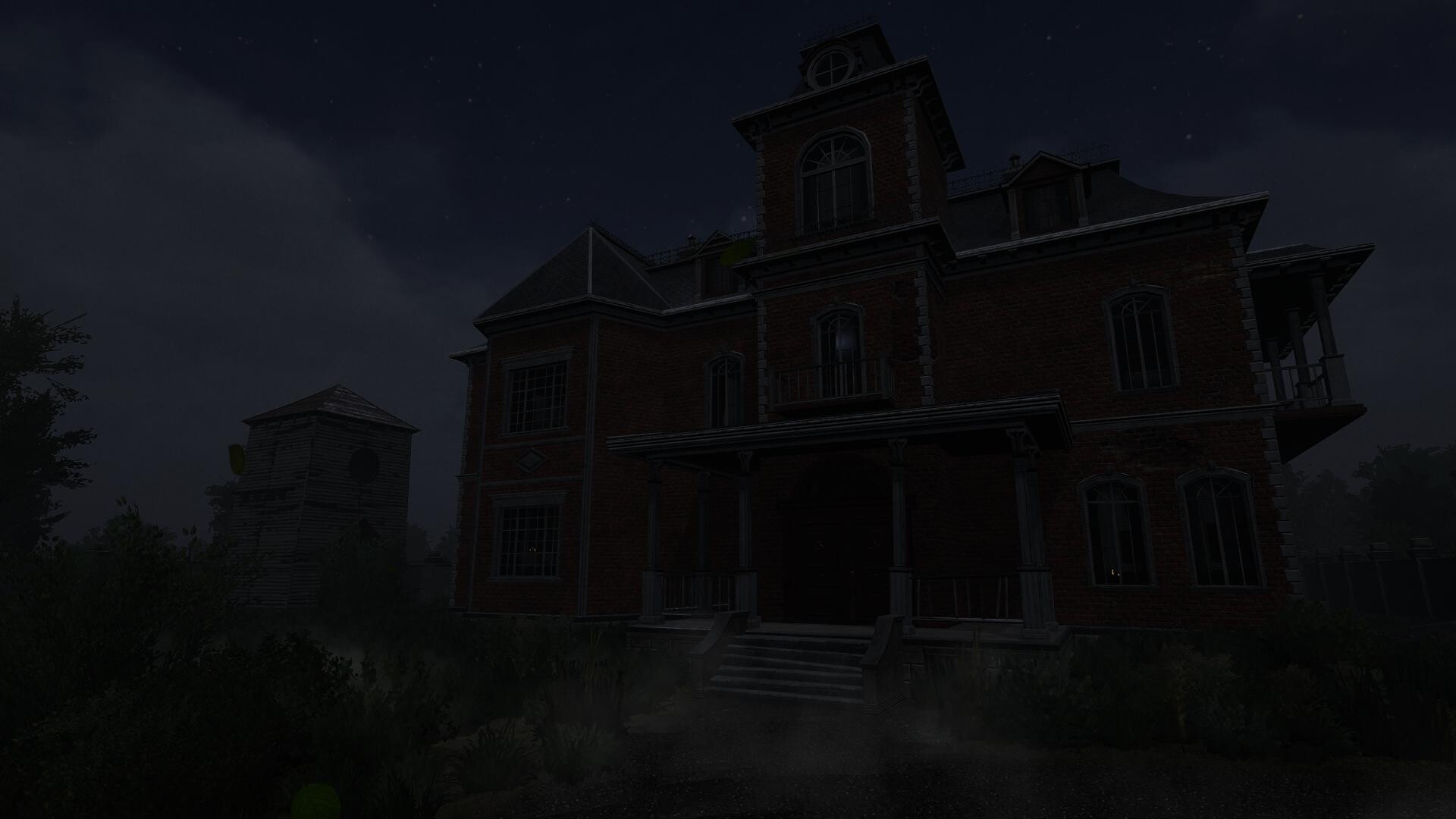
Trace of the Villa trusts silence over spectacle: a slow-burn, clue-driven exploration that makes a decaying mansion feel like a presence in the room. Rather than trading in jump scares, it builds dread through absence — missing photographs, locked doors, and forensic fragments that push a player’s curiosity into unease.

What Trace of the Villa is
Trace of the Villa (Steam appid 3483660) is a narrative, exploration-driven PC title from Steadyturtle Co., Ltd., released on 28 May, 2026. Official Steam materials frame it as an investigation led by Jin, who follows leads about his missing sister into an isolated mansion where manifests and encrypted records hint she may still be alive. The game’s tags and categories list it as Action / Adventure / Indie and include Single-player, Color Alternatives, Custom Volume Controls, Playable without Timed Input, Subtitle Options, and Family Sharing — all signals that the experience emphasizes accessibility and solo pacing rather than twitch reflexes.
Where and when to find it
Trace of the Villa is available on Steam (released 28 May, 2026). If you want to follow the store page, here’s the official Steam landing: Trace of the Villa on Steam.
Who should wishlist this
- Players who prefer slow-burn psychological investigation over constant on-screen threat.
- Fans of environmental storytelling who enjoy reading into objects, power restoration, and document fragments to reconstruct narratives.
- Those who like puzzle-adjacent gameplay — unlocking systems, decrypting clues, and tracing financial or identity anomalies rather than running from monsters.
- Players who value accessibility options (subtitles, custom volume, non-timed input) and a single-player, contemplative session.
Why quiet dread and uncertainty matter here
Trace of the Villa’s official description underlines a core idea: the house feels “less abandoned than erased.” That erasure — missing names, absent photographs, carefully scrubbed records — creates a cognitive itch. The fear is not what pops out at you, but what the space refuses to tell you. Psychological tension works because our brains are compelled to fill gaps; the game weaponizes that impulse. Restoring power and recovering manifests becomes less about mechanics and more about revealing omissions, an approach that transforms a mansion into a slow-acting psychological antagonist.
How progression and clues work
The Steam description emphasizes systems that return as Jin restores power: secured systems coming online, hidden compartments unlocking, and safes yielding fragments of encrypted documents and suspicious transfers. Progress is therefore tied to exploration and puzzle resolution — piece together encrypted notes, examine transfer records, and follow leads across the estate. Mechanically, expect methodical scanning, inventory-driven puzzle solutions and reading the space for what’s deliberately absent as much as what’s present.
Concrete facts
| Title | Trace of the Villa |
|---|---|
| Steam AppID | 3483660 |
| Release date | 28 May, 2026 |
| Developer | Steadyturtle Co., Ltd. |
| Publisher | Steadyturtle Co., Ltd. |
| Genres | Action, Adventure, Indie |
| Categories / Accessibility | Single-player; Color Alternatives; Custom Volume Controls; Playable without Timed Input; Subtitle Options; Family Sharing |
How Trace of the Villa sits beside nearby psychological/mansion games
To help you decide whether this is your pace, here’s a compact editorial comparison against a few other well-known titles that share the mansion/psychological template. These comparisons focus on genre, atmosphere, puzzle focus, exploration style, story tone and pacing — not on sales, awards or user counts.
| Title | Genre / Release | Atmosphere | Puzzle / Exploration Focus | Story Tone & Pacing | Player fit |
|---|---|---|---|---|---|
| Trace of the Villa | Action / Adventure / Indie — 28 May, 2026 | Decaying, erased-identity mansion; quiet, investigative dread | Clue-driven: restoring power, decrypting documents, unlocking compartments | Slow-burn, procedural uncovering of an operation behind disappearances | Players who want environmental storytelling and methodical unraveling |
| Amnesia: The Dark Descent | Action / Adventure / Indie — 8 Sep, 2010 | Claustrophobic, immersive horror | Exploration and survival mechanics with inventory-light puzzles | Intense, fear-focused pacing; keeps players on edge | Players seeking immersion and existential dread with higher immediate tension |
| SOMA | Action / Adventure / Indie — 21 Sep, 2015 | Underwater, isolating, philosophical | Exploration and narrative puzzles with a sci-fi framing | Reflective and unsettling; pacing balances story beats with exploration | Players who prefer narrative questions about identity and survival in a hostile setting |
| Layers of Fear (2016) | Adventure / Indie — 15 Feb, 2016 | Shifting Victorian mansion; surreal and psychologically disorienting | Environmental puzzles tied to a changing world | Psychological, art-obsessed unraveling; deliberately disorienting pacing | Players who like a dreamlike, sanity-focused horror experience |
| Poppy Playtime | Action / Adventure / Indie — 12 Oct, 2021 | Eerie, toy-factory setting with more overt antagonists | Puzzle mechanics that often double as escape/avoidance challenges | Higher-contrast tension: puzzles interleaved with threat encounters | Players who want puzzles with periodic active confrontations |
Player scenarios — would this be your kind of game?
- If you like to read the room: You’ll enjoy following forensic breadcrumbs, piecing together manifests and transfer records. The payoff is intellectual and atmospheric rather than adrenaline-driven.
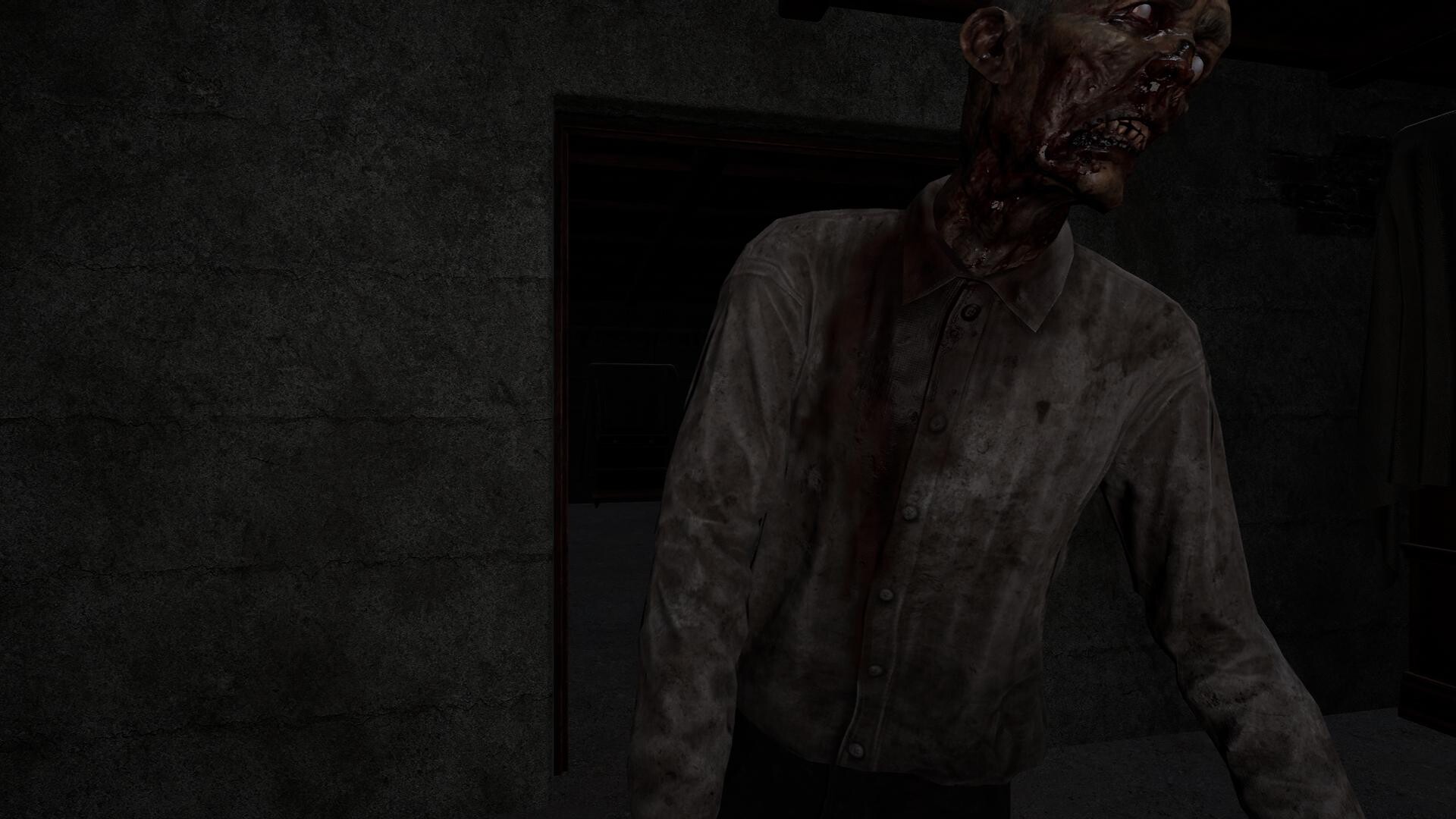
- If you want active scares: This title appears to lean away from monster-chase sequences and toward psychological implication; players wanting repeated jump-scare sequences may find it too restrained.
- If you value accessibility and solo pacing: Steam categories like Playable without Timed Input and Subtitle Options indicate the experience supports deliberate play sessions and clarity for different players.
- If you enjoy investigative puzzles: Restoring systems and unlocking hidden compartments aligns with a player who prefers logic and narrative discovery over reflex tests.
YouTube discovery
If you want to see footage or trailers in search, use this YouTube search path (useful for community trailers or gameplay captures; do not assume any result is an official channel): Trace of the Villa trailer & gameplay on YouTube.
Final take
Trace of the Villa looks aimed at players who prefer their horror in the spaces between events: the missing photograph, the locked safe, the file with a scratched-out name. If you prize atmosphere, narrative puzzle design, and slow-burn suspense in a single-player package, this mansion mystery is worth a look. If you expect constant external threats or frequent high-intensity scares, your mileage may vary.
Referenced titles and trademarks belong to their respective owners; comparisons above are editorial discovery only and not endorsements.
Leave a Reply