
Trace of the Villa — how quiet dread and slow-burn uncertainty make a mansion feel alive
Trace of the Villa is an atmospheric mystery adventure about Jin’s search for his missing sister inside a decaying, deliberately forgotten mansion. Released on 28 May, 2026 by Steadyturtle Co., Ltd., the game leans on environmental storytelling and clue-driven exploration rather than jump scares.

Who, what, when, where, why, how — the facts
Who: The protagonist named in the official Steam description is Jin. The developer and publisher are Steadyturtle Co., Ltd.
What: Trace of the Villa is an Action / Adventure / Indie title that frames a psychological investigation inside a remote, decaying mansion. Steam categories include Single-player, Color Alternatives, Custom Volume Controls, Playable without Timed Input, Subtitle Options, and Family Sharing.
When / Where: The game arrived on Steam on 28 May, 2026 and is listed on the Steam store page for PC.
Why this theme matters: The house in Trace of the Villa is described as “less abandoned than erased”: furnished rooms, removed identities, and sealed systems create an atmosphere where the unknown is the primary antagonist. That sense of persistent uncertainty — not sudden shocks — drives the game’s psychological tension.
How you progress: According to the official description, Jin recovers manifests and hints, restores power to the estate, brings systems back online, unlocks hidden compartments, and uncovers encrypted documents and suspicious records. Progress is clue-driven: solving puzzles and reading fragments of records reveal layers of a concealed operation.
| Title | Trace of the Villa |
|---|---|
| Steam appid | 3483660 |
| Release date | 28 May, 2026 |
| Developer / Publisher | Steadyturtle Co., Ltd. |
| Genres | Action, Adventure, Indie |
| Key Steam categories | Single-player; Color Alternatives; Custom Volume Controls; Playable without Timed Input; Subtitle Options; Family Sharing |
| Official premise (short) | Jin searches a remote, decaying mansion for signs that his missing sister may still be alive. |
| User reviews (Steam) | No user reviews (as listed on Steam) |
Why quiet tension beats cheap shocks in a mansion mystery
Horror that relies on sudden, repeated shocks trains players to expect a single response: flinch, then move on. Trace of the Villa, from its official description, promises a different rhythm. The terror comes from what’s missing — photographs, names, recent records — and the effort of piecing absence into a pattern. That creates a persistent low-level anxiety: every discovery reframes earlier calm, and the mansion’s silence starts to feel intentional rather than empty.
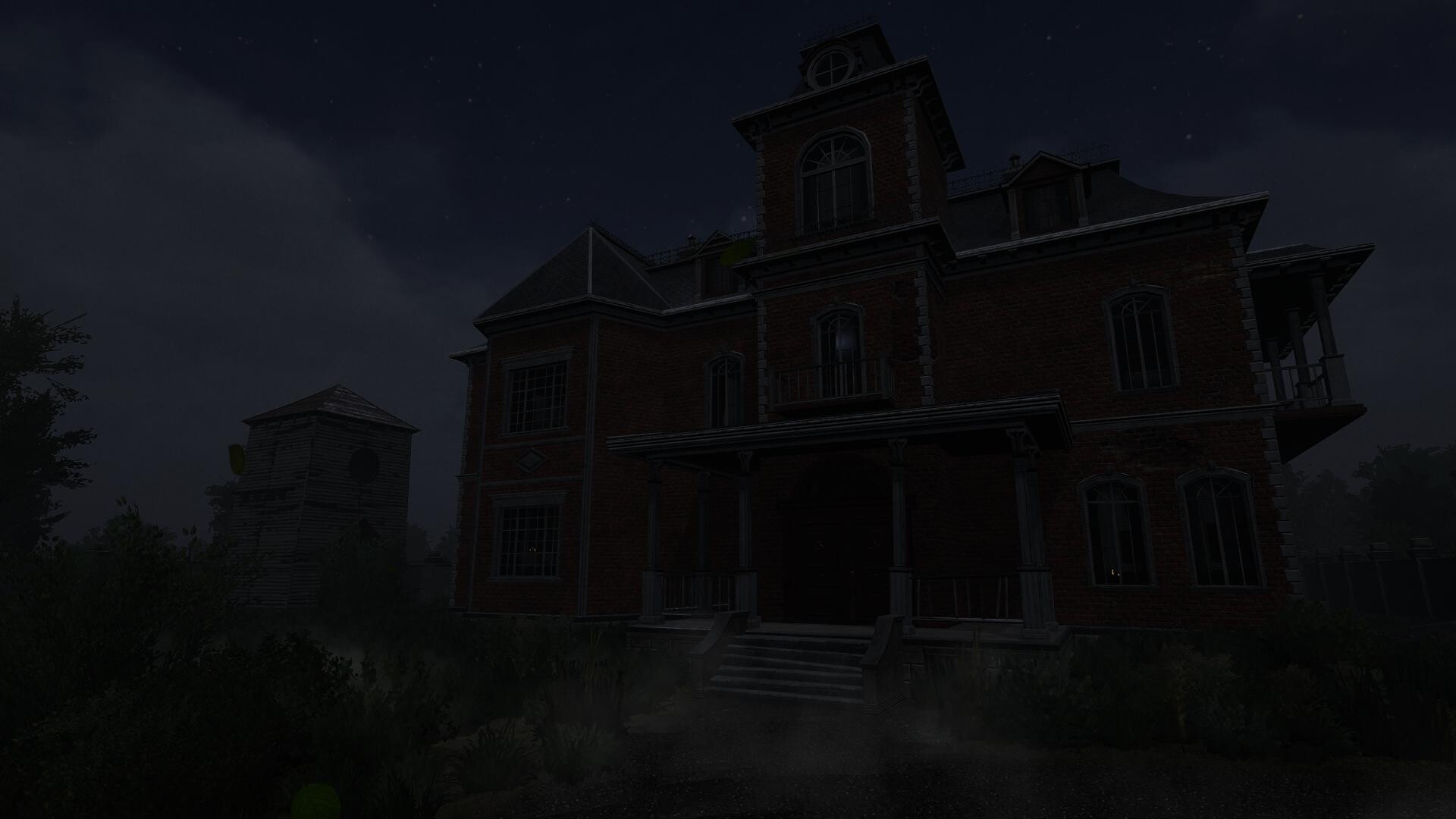
When a game’s systems reward careful reading of documents, restoration of utilities, and methodical unlocking of hidden compartments, the player becomes a detective — not a target. That shift in agency is crucial: uncertainty stops being an external threat and becomes an intellectual itch. You keep playing because you want to resolve the doubt, not because a scripted fright is due.
How Trace of the Villa presents its clues
- Environmental cues: rooms furnished as if people vanished mid-routine, details that imply erasure of identity rather than ordinary abandonment.
- Systems restoration: the official description notes that restoring power brings the estate’s secured systems back online, revealing new information and unlocking more areas.
- Document fragments: encrypted documents, suspicious transfer records, and manifests provide puzzle pieces that point to a controlled operation rather than a simple haunting.
Player scenarios — who should wishlist this on Steam
- Investigation-first players: If you enjoy reading scraps of documents, unlocking systems, and reconstructing a timeline from partial evidence, Trace of the Villa’s structure (manifests, encrypted documents, locked compartments) will fit your expectations.
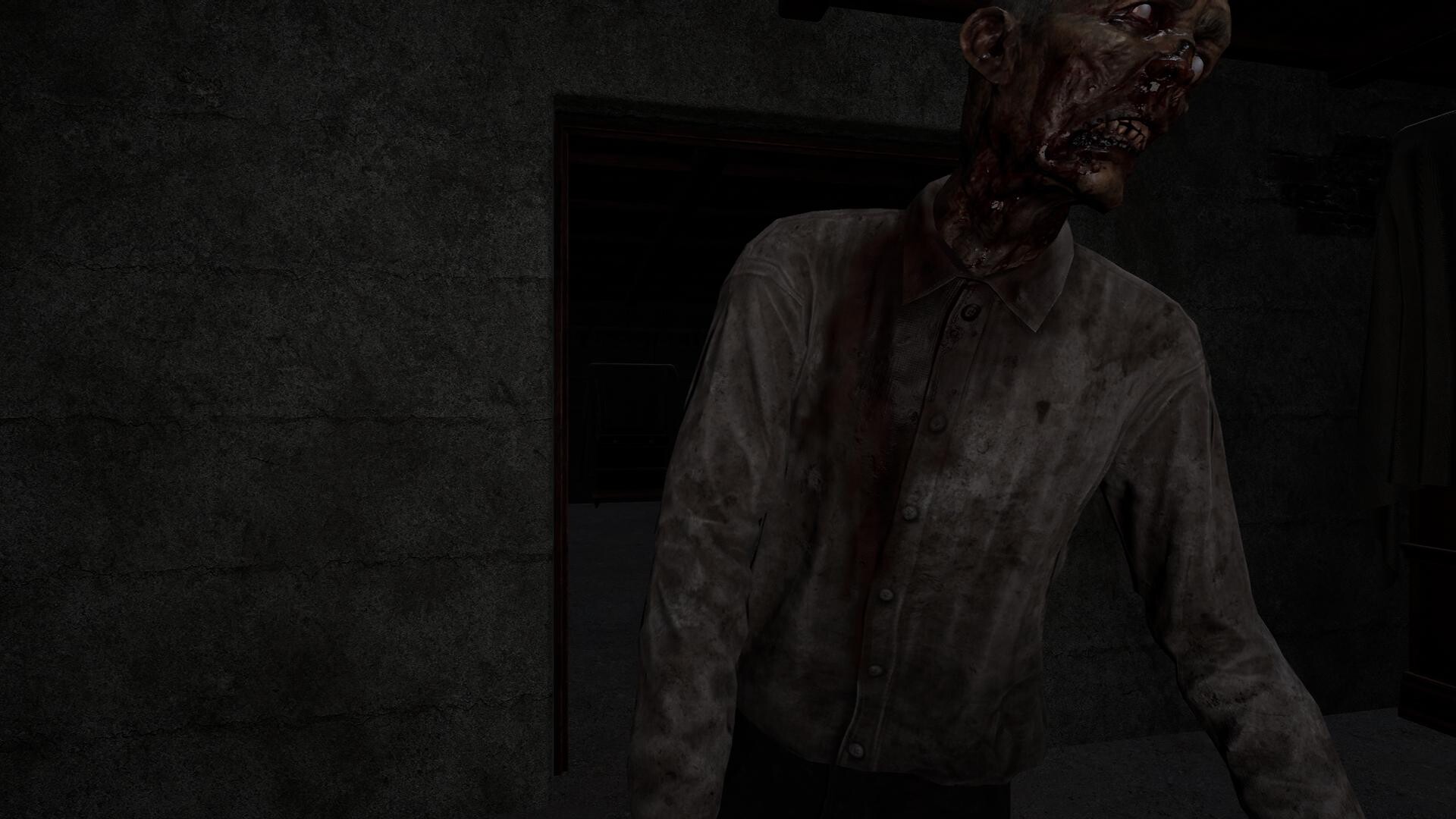
- Slow-burn suspense fans: Players who prefer creeping dread and atmospheric tension over frequent jump scares should find the mansion’s erased identities and staged rooms appealing.
- Mansion-mystery explorers: If you like cataloging objects, noticing absence as much as presence, and letting small revelations accumulate into a larger conspiracy, this is for you.
- Puzzle-oriented storytellers: The game ties puzzle solving to narrative progression (restoring power, unlocking safes, accessing secured systems) — players who want puzzles to reveal story will be satisfied.
How Trace of the Villa compares to nearby titles
Below is a concise editorial comparison to titles often cited in discussions of psychological horror and atmospheric mystery. Comparisons use public genre, release, and description information to outline differences in focus and pacing.
| Title | Release date | Core focus | Atmosphere / Tone | Puzzle / Exploration | Pacing / Player fit |
|---|---|---|---|---|---|
| Trace of the Villa | 28 May, 2026 | Clue-driven investigation in a decaying mansion | Quiet dread, identity erasure, methodical revelation | Restoring systems, encrypted documents, hidden compartments | Slow-burn; for players who prefer reconstruction of events |
| Amnesia: The Dark Descent | 8 Sep, 2010 | Immersion and survival through an escalating nightmare | Relentless dread and vulnerability | Environmental puzzles with survival mechanics | Intense, often claustrophobic; players who want immediate tension |
| SOMA | 21 Sep, 2015 | Sci‑fi existential horror and narrative-driven exploration | Brooding, philosophical, isolated | Exploration and puzzle moments tied to narrative revelations | Measured pacing with literary themes; for story-focused players |
| Layers of Fear (2016) | 15 Feb, 2016 | Psychological mansion horror focused
Steam pageView Trace of the Villa on Steam YouTube discoveryFor trailer and gameplay discovery, use YouTube search rather than relying on unverified embeds: Find Trace of the Villa trailer and gameplay searches on YouTube. CommentsMore posts |
Leave a Reply